Feet are the body’s primary support system, bearing full body weight and maintaining balance. Changes in lifestyle and activity habits have led to increasing cases of foot discomfort, pain, and deformities. Plantar pressure distribution—the way pressure is applied across different areas of the foot while standing or walking—is a key factor affecting foot health.
Uneven plantar pressure can lead to plantar fasciitis, metatarsalgia, bunions, and flat feet, and may also impact knees, hips, and spinal alignment. Understanding and optimizing plantar pressure is crucial for maintaining healthy feet and proper posture.

Understanding Plantar Pressure Distribution
Plantar pressure distribution refers to how force is distributed across the foot during standing, walking, or running. Normal pressure distribution features include:
- Arch support to provide shock absorption
- Even pressure across forefoot and heel
- Balanced weight transfer during gait
Methods to measure plantar pressure include:
- Pressure mats (pedobarography): Measure static and dynamic pressure points under the foot.
- Smart insoles and force-sensing footwear: Provide real-time gait and pressure analysis.
Studies show that uneven plantar pressure can cause localized tissue stress, inflammation, and pain (Journal of Foot & Ankle Research, 2021).
Plantar Pressure Distribution and Foot Disorders
Abnormal plantar pressure is a major factor in many foot conditions:
- Plantar fasciitis: Excessive or uneven arch pressure leads to chronic inflammation.
- Metatarsalgia: High pressure on the forefoot causes pain and discomfort.
- Bunions: Abnormal forefoot load can exacerbate deformities over time.
- Flat feet: Collapsed arches create uneven pressure and affect gait.
High-risk groups include:
- Runners and athletes with repetitive high load
- Overweight individuals with increased forefoot pressure
- Elderly people with decreased foot padding
- Diabetic patients with reduced foot sensation, increasing ulcer risk
Uneven plantar pressure not only affects the foot but can also change load patterns on the knees, hips, and spine, leading to long-term musculoskeletal issues.
Optimizing Plantar Pressure Distribution
Evidence-based methods to optimize plantar pressure include:
1. Orthotic Insoles
- Custom insoles designed for your arch height and pressure distribution can correct gait and reduce peak pressure areas.
- Distribute plantar pressure more evenly, relieving pain and improving foot alignment.
2. Foot Muscle Training
Strengthening foot and lower leg muscles helps balance pressure distribution and improve stability:
- Towel-grip exercises: Pick up a towel with toes
- Arch lifting exercises: Engage the intrinsic foot muscles
- Calf and plantar stretches: Maintain flexibility and shock absorption
3. Proper Footwear and Gait Training
- Choose shoes with appropriate arch support and cushioning to guide even pressure distribution.
- Combine with gait training for long-term improvement.
Clinical studies show that combining custom insoles with targeted foot exercises can significantly reduce localized pressure peaks and improve gait efficiency (American Podiatric Medical Association, 2022).
Assessment and Monitoring
Scientific evaluation and regular monitoring are key to maintaining foot health:
- Tools: Pressure mats, smart insoles, dynamic gait analysis systems
- Frequency: General population: annually; high-risk groups: every 3–6 months
- Personalized intervention: Adjust insoles, exercises, and lifestyle based on evaluation results
These tools are validated in clinical research for high precision and reliability, enabling early detection of potential foot problems.
Practical Tips for Daily Foot Care
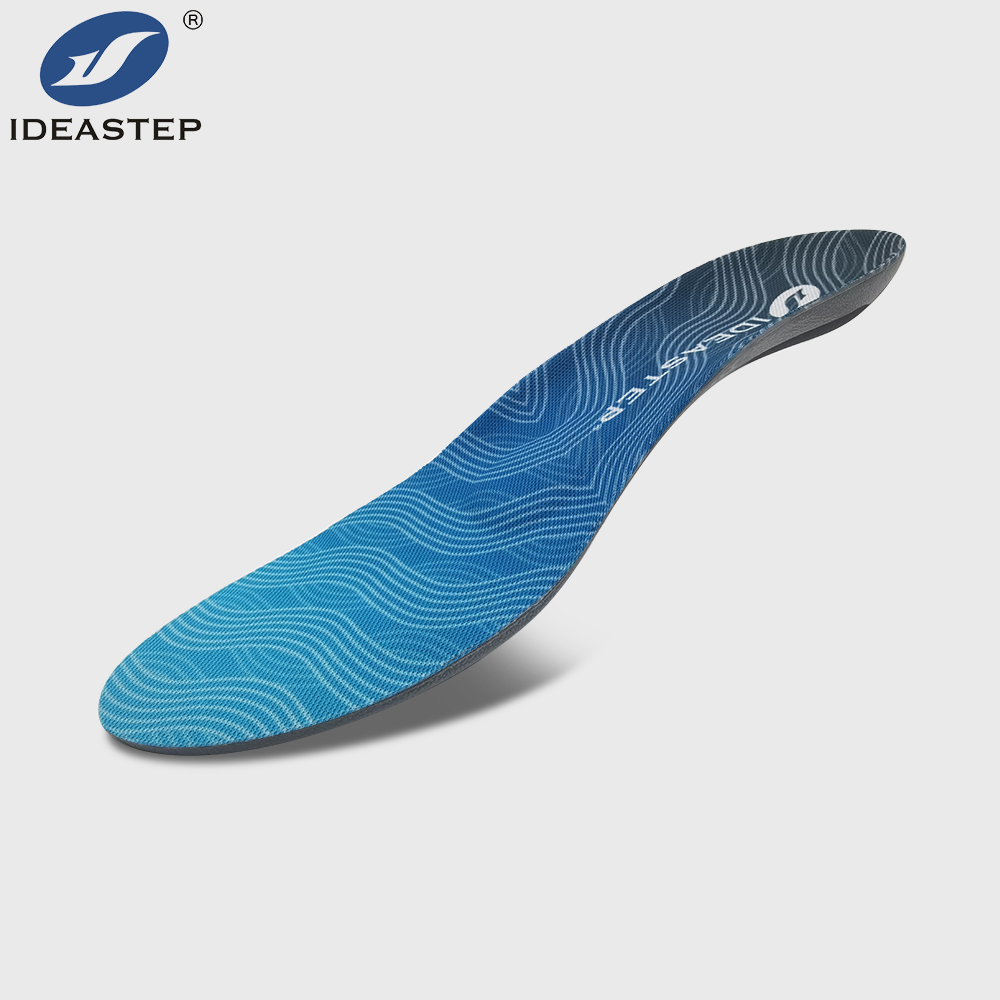
- Use insoles that properly support the arch and distribute pressure evenly (Orthotic Insoles).
- Maintain footwear integrity and replace worn-out shoes regularly.
- Perform daily foot massage and stretching exercises.
- Combine with gait and strength training for optimal pressure balance.
- High-risk groups should schedule regular professional foot evaluations.
Conclusion
Plantar pressure distribution is a crucial indicator of foot health, directly influencing pain, gait, and overall posture. Scientific evaluation, proper intervention, and daily care help maintain balanced pressure, prevent foot disorders, and support healthy, comfortable walking. By paying attention to plantar pressure, you can protect your feet and improve overall musculoskeletal health.
If you’re interested in bunions, check out this page:What Are the Signs and Symptoms of Bunions?