Improving Flat Feet Through Custom Orthotics: A Scientific Guide to Rehabilitation and Long-Term Management
Flat feet are among the most common foot conditions. For some individuals, they are simply characterized by a lower arch appearance. For others, however, flat feet can lead to foot fatigue, heel pain, reduced athletic performance, and even affect the knees, hips, and lower back.
As research in foot biomechanics continues to advance, healthcare professionals increasingly recognize that managing flat feet should involve more than symptom relief. The goal is to improve foot function, optimize load distribution, and restore efficient movement patterns. Clinical experience suggests that combining custom orthotics with targeted exercises and proper foot care strategies can help many individuals improve gait stability, reduce discomfort, and enhance daily mobility.
This article explores the biomechanical causes of flat feet, explains the role of custom orthotics, and outlines a practical rehabilitation protocol for long-term foot health.
Understanding Flat Feet: More Than Just Low Arches
A healthy foot contains three primary arch structures: the medial longitudinal arch, the lateral longitudinal arch, and the transverse arch. These arches help absorb impact, distribute pressure, and maintain balance during walking and running.
When the medial longitudinal arch significantly collapses or makes excessive contact with the ground, the condition is commonly referred to as flat feet.
Common Signs and Symptoms
- Collapsed or barely visible arches
- Foot fatigue after prolonged standing
- Heel or arch pain
- Excessive wear on the inner side of footwear
- Reduced walking endurance
- Decreased stability during running or sports activities
It is important to note that not all individuals with flat feet experience symptoms. Some people function normally despite having low arches, while others develop discomfort due to abnormal load distribution and biomechanical stress.
How Flat Feet Affect the Entire Kinetic Chain
The feet serve as the body’s foundation and are the first point of contact with the ground. When arch structures collapse, compensatory changes can occur throughout the lower extremities and beyond.
Excessive Pronation at the Ankle
Many individuals with flat feet experience excessive pronation, where the foot rolls inward more than normal during movement.
Common signs include:
- Inward tilting of the heel
- Excessive inward rolling during gait
- Reduced ankle stability
Research has shown that excessive pronation may alter lower-limb alignment and increase stress on surrounding tissues.
Changes in Knee Mechanics
When ankle alignment becomes abnormal over time, the knees may also be affected.
Common complaints include:
- Pain around the kneecap
- Discomfort when climbing stairs
- Post-exercise knee fatigue
Although not all knee pain originates from flat feet, poor foot alignment can be a contributing factor.
Compensation at the Hips and Lower Back
Long-term biomechanical compensation may also influence posture and movement higher up the kinetic chain.
Some individuals report:
- Hip tightness
- Changes in pelvic alignment
- Lower back fatigue or discomfort
For this reason, modern rehabilitation approaches consider flat feet as part of a whole-body movement issue rather than an isolated foot condition.
Why Early Intervention Matters
Many people assume that flat feet do not require attention unless significant pain develops. However, prolonged abnormal loading patterns may gradually contribute to other musculoskeletal problems.
Potential complications include:
- Plantar fasciitis
- Achilles tendinopathy
- Posterior tibial tendon dysfunction
- Lower-leg fatigue
- Running-related injuries
For athletes and individuals who spend long hours standing, early assessment and intervention may help reduce the risk of future complications.
The Role of Custom Orthotics in Flat Feet Rehabilitation
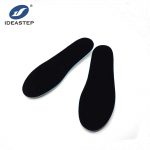
Custom orthotics are not simply cushioned insoles. Their primary purpose is to improve foot biomechanics through carefully engineered support structures and pressure management.
Providing Appropriate Arch Support
Arch support is one of the most important functions of custom orthotics.
A properly designed orthotic can help:
- Reduce excessive arch collapse
- Improve foot alignment
- Enhance stability during standing and walking
It is important to remember that higher arch support is not always better. Support levels should be tailored to the individual’s foot structure and activity demands.
Optimizing Plantar Pressure Distribution
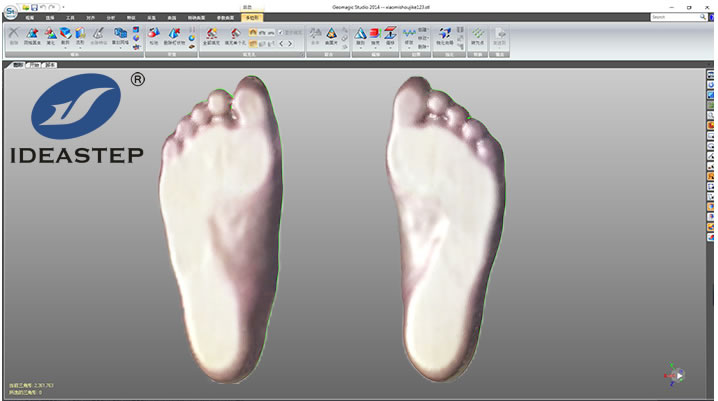
Pressure-mapping assessments often reveal excessive loading in specific areas of the foot among people with flat feet.
Custom orthotics can help redistribute pressure more evenly across the foot, reducing localized stress and improving overall comfort.
This benefit is particularly valuable for individuals who spend extended periods standing or walking.
Controlling Excessive Pronation
Many orthotic designs incorporate heel stabilization features and midfoot control elements to help reduce excessive pronation.
Biomechanical studies suggest that appropriately designed orthotic devices can improve gait stability and reduce abnormal loading patterns in certain individuals.
Improving Movement Efficiency
When the foot operates in a more balanced position, muscles often function more efficiently.
In practical foot assessment projects, we frequently observe that:
- Runners prioritize dynamic stability and landing control.
- Hikers focus on reducing fatigue during long-distance walking.
- Individuals with standing occupations value pressure relief and all-day comfort.
These differences highlight the importance of selecting orthotic solutions based on individual needs and activity levels.
A Step-by-Step Rehabilitation Protocol for Flat Feet
Successful rehabilitation typically requires a combination of supportive devices, exercise therapy, and ongoing monitoring rather than relying on a single intervention.
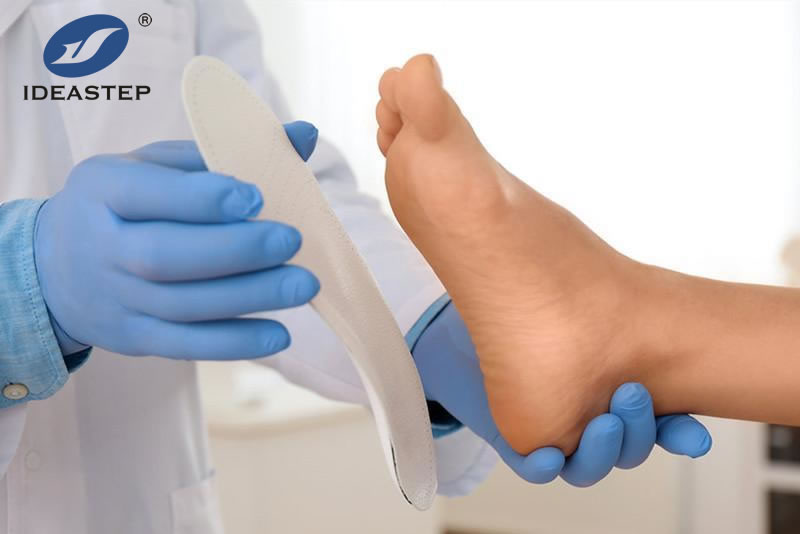
Step 1: Comprehensive Foot Assessment
Before beginning treatment, a detailed evaluation is recommended.
Common assessment methods include:
- Arch height measurement
- Plantar pressure analysis
- Gait observation
- Lower-limb alignment assessment
- Pain and symptom documentation
These findings provide valuable information for developing an individualized rehabilitation plan.
Step 2: Selecting the Right Custom Orthotics
Orthotic design should be based on assessment findings and individual goals.
Key considerations include:
- Arch support height
- Material density
- Heel control structures
- Forefoot cushioning design
For example, runners typically require a balance between support and dynamic shock absorption, while workers who stand all day may prioritize comfort and pressure redistribution.
Individuals with unique foot structures or chronic symptoms should consider professional evaluation before choosing a custom solution. Companies such as Ideastep, which specialize in foot biomechanics and orthotic development, often provide recommendations based on foot characteristics, activity levels, and intended use.
Step 3: Adaptation Period Management
Even properly fitted orthotics require an adjustment period as the body adapts to new movement patterns and loading conditions.
General guidelines include:
Week 1
Wear orthotics for 1–2 hours per day.
Week 2
Increase usage to 4–6 hours daily.
Week 3 and Beyond
Gradually extend wearing time based on comfort and adaptation.
Mild soreness may occur during adjustment, but persistent pain should be evaluated by a qualified professional.
Step 4: Strengthening and Functional Training
Orthotics provide external support, but strengthening the foot’s intrinsic muscles remains equally important.
Short Foot Exercise
Keep the toes relaxed while gently shortening the foot by lifting the arch without curling the toes.
Hold for 5 seconds and repeat 10–15 times per set.
Benefits include:
- Activation of intrinsic foot muscles
- Improved arch control
- Enhanced foot stability
Calf Stretching
Stand facing a wall, place one foot behind the other, and keep the rear heel on the ground.
Hold for 20–30 seconds and repeat three times.
This exercise may help improve:
- Calf flexibility
- Achilles tendon mobility
- Ankle range of motion
Toe-Gripping Exercises
Use a towel or soft object and practice gripping it with the toes.
Benefits include:
- Improved foot strength
- Enhanced proprioception
Balance Training
Examples include:
- Single-leg standing
- Balance pad exercises
These activities help improve dynamic stability and ankle control.
Step 5: Ongoing Monitoring and Optimization
Foot mechanics can change over time due to factors such as body weight, activity level, and aging.
Regular follow-up is recommended:
- Every 6–12 months
- Review gait changes
- Inspect orthotic wear patterns
- Modify support when necessary
Long-term success often depends on continuous adjustments rather than one-time interventions.
Case Example: Flat Feet Rehabilitation in a Recreational Runner
Background
A 32-year-old recreational runner presented with flexible flat feet and persistent foot fatigue after training.
Weekly running volume averaged approximately 30 kilometers.
Assessment Findings
- Reduced arch height
- Excessive pronation
- Pressure concentration in the midfoot and forefoot regions
Treatment Plan
- Custom orthotics
- Short foot exercises
- Calf stretching program
- Running gait modifications
Outcome After Three Months
- Reduced foot fatigue
- Improved running stability
- Greater comfort during long-distance training
While individual outcomes vary, this example highlights the value of combining orthotic support with targeted rehabilitation exercises.
Common Mistakes During Flat Feet Rehabilitation
Using Generic Insoles Instead of Orthotics
Comfort insoles primarily provide cushioning, whereas orthotics are designed to influence foot mechanics and improve alignment.
Expecting Immediate Results
Foot mechanics develop over many years, and meaningful improvements often require weeks or months of consistent intervention.
Ignoring Muscle Strengthening
Orthotics provide passive support, but strengthening exercises are necessary to improve active control and long-term function.
Wearing Unsupportive Footwear
Poorly structured shoes may reduce the effectiveness of even the best orthotic devices.
Frequently Asked Questions (FAQ)
Can Flat Feet Be Completely Corrected?
The answer depends on age, foot structure, and individual circumstances. Some people can improve function significantly, although complete restoration of arch shape may not always be possible.
Should Custom Orthotics Be Worn Every Day?
In most cases, wearing orthotics during daily activities is recommended, although usage schedules should be adjusted according to professional advice and personal comfort.
Do Children with Flat Feet Need Orthotics?
Not necessarily. Intervention may be considered when flat feet are associated with pain, gait abnormalities, or functional limitations.
Are Orthotics Suitable for Athletes?
Many runners, hikers, and athletes use custom orthotics to improve stability, comfort, and movement efficiency.
How Often Should Orthotics Be Replaced?
Replacement intervals vary depending on usage and materials, but most orthotics should be inspected regularly and reassessed every one to two years.
Flat Feet Management Is a Long-Term Commitment
For most individuals, improving flat feet is not a quick process. Foot structure, muscle strength, and movement patterns often develop over many years, which means rehabilitation requires patience and consistency.
Custom orthotics can help create a more stable biomechanical environment, while targeted exercises improve muscular control and functional performance. Combined with supportive footwear and regular reassessment, these strategies can contribute to long-term improvements in comfort, mobility, and overall lower-limb health.
Whether your goal is pain reduction, better athletic performance, or improved daily comfort, adopting a structured and evidence-based approach to foot care provides the strongest foundation for long-term success.
Dive deeper and expand your horizons:Function of Flat feet insole