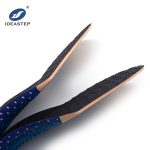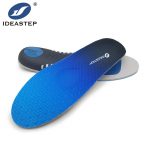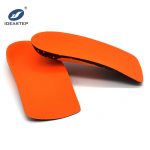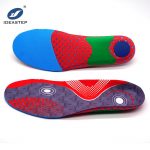
As demand for foot health products continues to grow worldwide, orthotic insoles have become an important category for footwear brands, medical distributors, sports equipment suppliers, and private-label businesses. Unlike standard comfort insoles, orthotic insoles are designed to provide biomechanical support, improve foot alignment, and help reduce stress on the feet, ankles, knees, and lower back.
For B2B buyers, selecting the right manufacturing partner involves much more than reviewing a product catalog or comparing prices. The true value of an orthotic insole lies in the consistency of its support structure, material performance, and manufacturing quality. A well-made sample may look impressive, but maintaining the same level of quality across thousands of pairs requires a disciplined production process and strict quality control.
This article takes an inside look at how a professional orthotic insoles factory operates, from product development and material inspection to manufacturing, testing, and OEM/ODM customization.
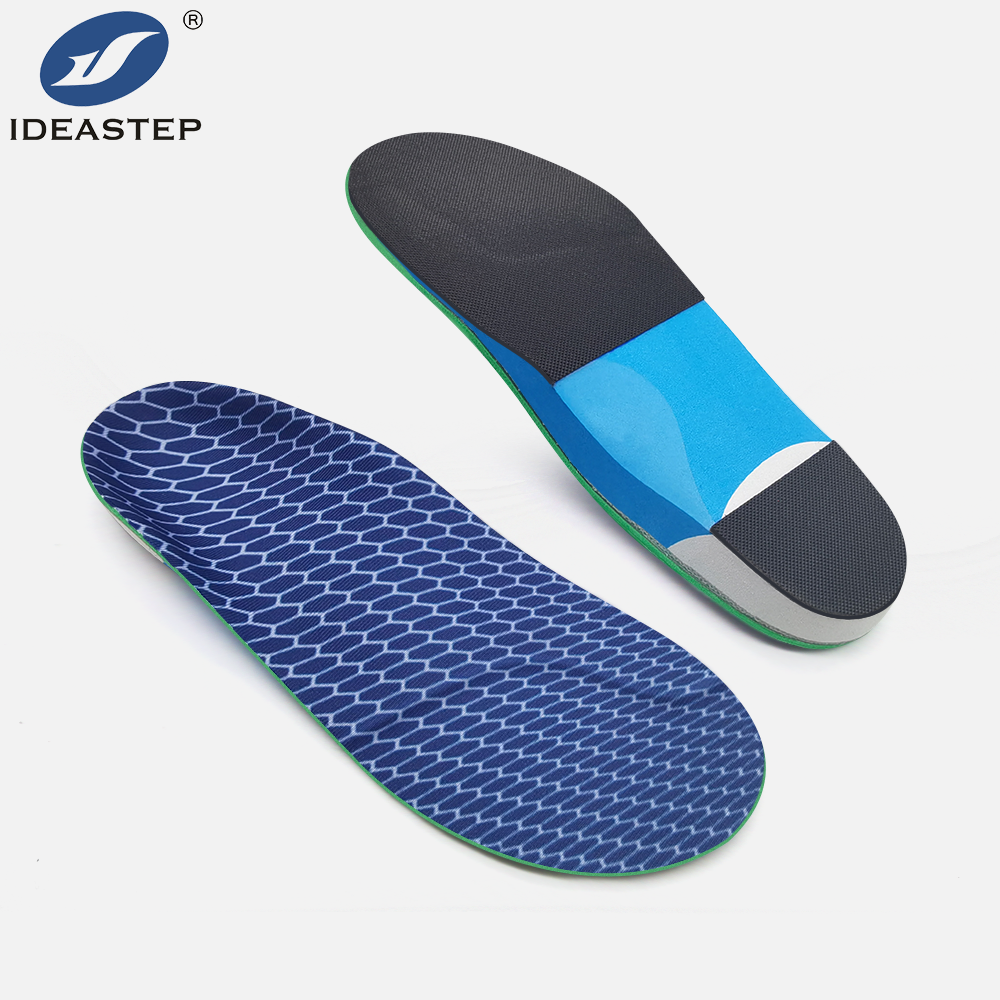
Why Manufacturing Quality Matters in Orthotic Insoles
Orthotic insoles differ significantly from regular shoe insoles. While standard insoles mainly focus on cushioning and comfort, orthotic insoles are designed to influence foot mechanics and provide structural support.
Even minor variations in production can affect performance. For example, a small difference in arch height, material density, or support placement may impact how the insole functions inside the shoe.
This is why professional manufacturers place strong emphasis on process control and quality consistency. The goal is not simply to produce insoles, but to ensure every pair delivers the same level of support and comfort as the approved sample.
What Makes Orthotic Insoles More Difficult to Manufacture?
Many buyers assume that orthotic insoles are produced in the same way as ordinary foam insoles. In reality, orthotic products require far greater precision.
Several factors contribute to this complexity:
- Accurate arch support geometry
- Controlled material density
- Biomechanical design requirements
- Multi-layer construction
- Long-term structural stability
For example, an insole designed for individuals with flat feet requires a different support structure than one intended for sports performance or occupational use. Manufacturing processes must consistently reproduce these design features throughout production.
From Product Concept to Production Planning
Every orthotic insole begins with a product development phase. This stage helps manufacturers understand customer expectations and determine technical specifications.
Understanding the End User
The intended application influences every aspect of product design.
Common user groups include:
- People with flat feet
- Individuals suffering from plantar fasciitis
- Workers who stand for long hours
- Athletes and runners
- Diabetic patients
- Outdoor enthusiasts
Each category requires different support levels, cushioning properties, and material combinations.
Structural Design Development
Once the target user is identified, engineers develop the internal structure of the insole.
Key design considerations include:
- Arch height and shape
- Heel cup depth
- Forefoot flexibility
- Shock absorption zones
- Support plate placement
The objective is to create a balance between comfort, support, and durability.
Raw Material Inspection: The Foundation of Product Consistency
One of the most common causes of product inconsistency is variation in raw materials. Professional factories perform strict inspections before production begins.
EVA Density Testing
EVA is widely used in orthotic insoles because it is lightweight and provides cushioning. However, density variations can significantly affect performance.
Material that is too soft may collapse prematurely, while material that is too firm may reduce comfort.
PU Compression Resistance Testing
Polyurethane components are tested to ensure they can maintain support under repeated loading conditions.
TPU Hardness Verification
TPU support plates play a critical role in arch stability. Hardness levels must remain within specified tolerances to ensure consistent support.
Top Cover Material Inspection
Surface fabrics are evaluated for abrasion resistance, moisture management, and durability.
By identifying material issues early, manufacturers reduce the risk of defects later in production.
Orthotic Insoles Production Workflow Step by Step
Step 1: Material Preparation
Production begins with cutting and preparing raw materials according to product specifications.
This process may involve:
- Cutting EVA sheets
- Preparing PU foam layers
- Fabric trimming
- Support component preparation
Precise material preparation helps improve dimensional accuracy throughout the manufacturing process.
Step 2: Molding and Forming
The shaping stage creates the three-dimensional structure of the orthotic insole.
Common manufacturing methods include:
- Heat molding
- Compression molding
- Injection molding
- CNC machining
This stage determines the final shape of the arch support, heel cup, and overall contour.
Step 3: Arch Support Integration
This is one of the most important stages in orthotic insole production.
Support structures such as TPU stabilizers or reinforced arch plates are integrated into the insole body.
Accurate positioning is essential because even minor placement deviations can affect support performance.
Professional factories often use dedicated fixtures and positioning systems to ensure consistency during assembly.
Step 4: Surface Lamination
The top cover is bonded to the insole structure.
Depending on product requirements, factories may use:
- Breathable mesh fabrics
- Antibacterial materials
- Moisture-wicking textiles
- Anti-slip surface treatments
The quality of lamination directly influences product durability and user experience.
Step 5: Trimming and Finishing
After assembly, insoles undergo final finishing processes.
- Edge trimming
- Size calibration
- Surface cleaning
- Logo application
- Visual inspection
This stage ensures every pair meets appearance and dimensional standards.
How Professional Factories Maintain Consistency Across Large Production Runs
Many buyers have experienced situations where production samples perform well, but mass-produced products fail to match expectations.
Professional factories address this challenge through systematic quality management.
Typical measures include:
- Incoming material verification
- Standardized production parameters
- In-process inspections
- Random batch testing
- Production traceability systems
These controls help ensure that thousands of pairs can be manufactured with consistent quality and performance.
Common Manufacturing Challenges and How They Are Solved
Inconsistent Arch Support Height
Variations in molding conditions may cause slight differences in arch geometry.
Professional factories use calibrated molds and regular inspections to maintain dimensional accuracy.
Poor Bonding Between Layers
Weak adhesive performance can lead to delamination during use.
Manufacturers address this issue through adhesive testing and controlled lamination processes.
Compression Set Problems
Low-quality foam materials may lose their shape after prolonged use.
Careful material selection and compression testing help minimize this risk.
Size Tolerance Variations
Dimensional inconsistencies can affect fit and customer satisfaction.
Precision cutting equipment and standardized measurement procedures help maintain accuracy.
Testing Procedures Before Shipment
Before products leave the factory, they undergo a series of performance evaluations.
Compression Testing
Measures how well the insole maintains its shape under repeated pressure.
Flexibility Testing
Evaluates resistance to cracking and structural damage during bending.
Durability Testing
Simulates extended wear conditions to assess long-term performance.
Bond Strength Testing
Verifies that multiple layers remain securely bonded during use.
Without these tests, small manufacturing defects may only become apparent after products reach end users.
OEM and ODM Customization Options
Customization plays a major role in modern orthotic insole manufacturing.
Logo Customization
Manufacturers can apply brand logos through printing, embossing, laser engraving, or labels.
Packaging Customization
Retail-ready packaging helps strengthen brand presentation and customer experience.
Material Customization
Customers can select different foam materials, support plates, top covers, and cushioning technologies.
Functional Customization
Orthotic insoles can be tailored for:
- High arch support
- Sports performance
- Work boots
- Diabetic foot care
- Children’s footwear
- Outdoor activities

Typical Lead Time for Orthotic Insoles Manufacturing
Production timelines vary depending on product complexity and order quantity.
| Stage | Typical Time |
|---|---|
| Product Design | 3–7 Days |
| Sample Development | 7–14 Days |
| Sample Approval | 3–7 Days |
| Mass Production | 20–35 Days |
| Quality Inspection & Packaging | 2–5 Days |
Actual lead times may vary based on material availability, customization requirements, and production schedules.
What B2B Buyers Should Look for in an Orthotic Insoles Factory
Choosing a supplier requires evaluating more than manufacturing capacity.
Important considerations include:
- Product development capability
- Material expertise
- Quality management systems
- OEM/ODM experience
- Export compliance knowledge
- Production scalability
A reliable manufacturing partner should be capable of supporting both product innovation and long-term supply stability.
Frequently Asked Questions
How are orthotic insoles different from regular insoles?
Orthotic insoles are designed to provide structural support and improve foot alignment, while regular insoles mainly focus on cushioning and comfort.
What materials are commonly used in orthotic insoles?
EVA, PU, TPU, gel components, and moisture-wicking fabrics are among the most commonly used materials.
How long do orthotic insoles typically last?
Depending on usage conditions and materials, most high-quality orthotic insoles last between 6 and 18 months.
Can orthotic insoles be fully customized?
Yes. Manufacturers can customize materials, support structures, branding, packaging, and functional features.
What certifications should an orthotic insoles factory have?
Common certifications include ISO quality management systems, REACH compliance, RoHS compliance, and relevant product testing reports.
Conclusion
Manufacturing high-quality orthotic insoles requires much more than shaping foam materials. Consistent arch support, precise material control, reliable testing procedures, and efficient production management all contribute to product performance.
For B2B buyers, evaluating an orthotic insoles factory goes beyond reviewing samples. Manufacturing precision, quality assurance systems, development capabilities, and production consistency all influence long-term product success. Understanding how professional factories operate can help brands reduce sourcing risks, improve product quality, and build stronger partnerships in the growing orthotic insoles market.
Related Post:Ideastep Best orthotic insoles boots factory for Shoemaker