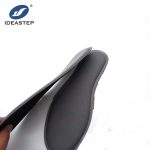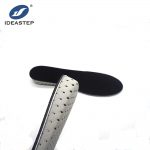
If you are sourcing insoles, footwear, or foam products, the term EVA material is probably very familiar to you. From midsoles in running shoes to medical orthotic insoles, and from packaging foam to children’s toys, EVA is everywhere. However, many buyers and product developers, while frequently handling EVA, may not fully understand what it is made of or how different EVA formulations affect performance. This article provides a detailed analysis of EVA’s composition, manufacturing process, key properties, applications, and practical guidance for sourcing.
What is EVA Material?
EVA stands for Ethylene Vinyl Acetate, a copolymer made from two monomers: Ethylene and Vinyl Acetate (VA). By adjusting the ratio of these two components, different EVA materials with varying hardness, elasticity, and cushioning properties can be produced to meet the demands of footwear, insoles, sports equipment, and packaging applications.
In the footwear industry, EVA is often referred to as “EVA foam.” Its widespread use is not only due to its light weight but also because manufacturers can tailor its hardness, rebound, and support characteristics by modifying the formulation.
What is EVA Made Of?
1. Ethylene
Ethylene is the base component of EVA and provides flexibility and fundamental mechanical strength. In insoles and midsoles, ethylene ensures lightweight properties and low-temperature resilience, making products comfortable for sports or outdoor use.
2. Vinyl Acetate (VA)
VA is the key component determining EVA’s performance. It enhances softness, elasticity, and impact resistance. Typically, VA content ranges from 10% to 40%, and the exact percentage significantly affects the material’s hardness and rebound. High-VA EVA is ideal for soft insoles and daily footwear, while low-VA EVA behaves more like conventional plastic, suitable for midsoles or structural components.
How is EVA Foam Manufactured?
The foaming process directly impacts EVA’s cushioning, lightweight nature, and durability. Professional footwear manufacturers typically follow these steps:
Raw Material Mixing
EVA resin, blowing agents, crosslinkers, pigments, and other functional additives are mixed according to the formulation to prepare the material for pelletizing and foaming.
Compounding and Pelletizing
Materials are thoroughly blended under high temperature and then formed into pellets to ensure consistent quality and enable large-scale production.
Foaming Process
Foaming is the most critical stage. When heated, the blowing agent releases gas, forming uniform closed-cell structures within the EVA. These cells not only reduce material weight but also provide excellent cushioning.
Molding and Shaping
Foamed EVA is shaped into the required forms using heat or compression molding, such as midsoles, insoles, or packaging inserts. Molding allows precise control of thickness, hardness, and support structures to meet product specifications.
Cooling and Finishing
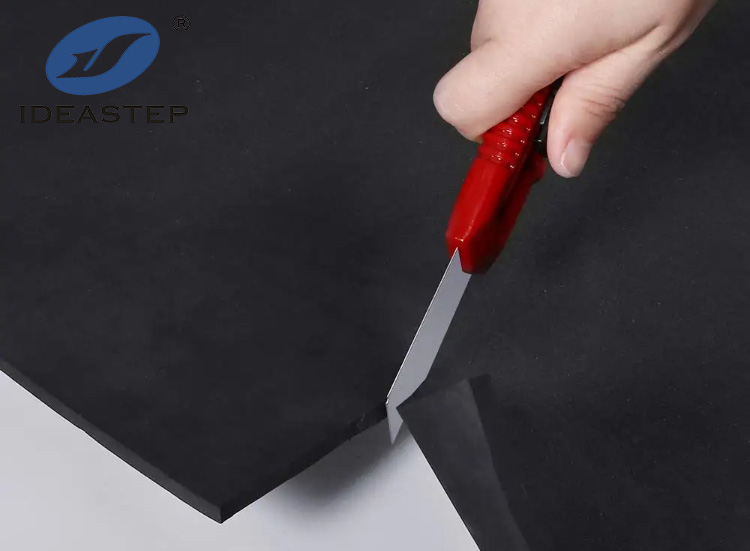
After cooling, the material can be cut, stamped, or surface-treated to become finished products ready for insoles, midsoles, or other applications.
Key Properties of EVA Material
Understanding EVA’s core properties is crucial for selecting the right material for footwear and insoles:
Lightweight
Closed-cell structure significantly reduces weight compared to rubber and PU, making it ideal for sports shoes and functional insoles.
Cushioning
The foam cells absorb ground impact, reducing pressure on feet and joints. This makes EVA the preferred material for midsoles in running shoes and orthotic insoles.
Flexibility and Rebound
EVA maintains good flexibility and elasticity even in low temperatures, ensuring comfort and preventing cracking.
Water Resistance and Chemical Stability
EVA has low water absorption and is resistant to most chemicals, making it suitable for sandals, outdoor gear, and protective packaging.
Processability
EVA can be heat-pressed, molded, cut, or stamped, making it suitable for large-scale production of insoles, midsoles, and packaging.
Factors Affecting EVA Performance
- VA Content: Higher VA increases softness and elasticity; lower VA improves rigidity.
- Density: Low density is soft and lightweight, high density is durable and supportive.
- Hardness: Directly affects comfort and support in footwear.
- Foaming Ratio: Determines lightweight properties and cushioning effect.
EVA vs PU Foam
| Property | EVA | PU |
|---|---|---|
| Weight | Light | Heavier |
| Cost | Lower | Higher |
| Cushioning | Good | Excellent |
| Rebound | Medium-high | High |
| Durability | Good | Better |
| Water Absorption | Low | Slightly higher |
In summary, EVA is ideal for lightweight and cost-sensitive products, while PU excels in high-end insoles requiring superior comfort and long-term rebound.
Applications of EVA Material
- Footwear & Insoles: running shoe midsoles, casual shoe soles, EVA insoles, orthotic insoles
- Sports Equipment: yoga mats, protective gear, sports pads
- Medical Products: orthotic insoles, rehabilitation aids
- Packaging: electronics, precision instruments, tool inserts
- Children’s Toys: puzzle mats, cushioning components
Is EVA Material Safe?
EVA materials that meet international standards are non-toxic, odorless, free of heavy metals, and do not contain harmful plasticizers, making them suitable for footwear, medical aids, and children’s products. Note that safety also depends on additives and processing methods, so choosing suppliers that comply with RoHS and REACH standards is essential.
How to Choose the Right EVA Material?
For footwear and insoles, consider the following factors when selecting EVA:
- Density: low density for soft, lightweight applications; high density for durable, supportive use
- Hardness: affects comfort and support
- Thickness: adjust according to insole or midsole design
- Application: running insoles, daily comfort insoles, orthotic insoles, or packaging materials
In practice, we often select EVA density and hardness based on product positioning. For instance, running shoe insoles use medium-to-high density EVA for better support, while casual comfort insoles favor softer formulations.
Why EVA is Widely Used in Orthotic Insoles
EVA’s combination of light weight, excellent cushioning, ease of molding, and cost-effectiveness makes it a preferred material for orthotic insoles. By selecting appropriate density and hardness, EVA insoles can provide targeted support while maintaining comfort for long-term wear.
Conclusion
EVA is a copolymer of Ethylene and Vinyl Acetate, offering a balance of lightweight, soft, and cushioned performance. It is widely used in footwear, insoles, medical products, packaging, and sports equipment. Understanding EVA’s composition, manufacturing process, and key properties helps manufacturers and buyers select the right material to enhance product performance, user comfort, and market competitiveness.
For those seeking EVA materials for insoles, orthotic insoles, or functional footwear, choosing the correct density and hardness according to product requirements ensures optimal performance, durability, and cost efficiency.
If you need EVA , you can click here to know more information: https://www.aideastep.com/eva/