Step Inside the Factory: How an Orthotic Insole Comes to Life
For many buyers, choosing an orthotic insole supplier is no longer just about price. Product quality stability, on-time delivery, and the factory’s capacity for continuous development often matter more than the cost alone.
In our factory, one of the most common questions from first-time visitors is: “How exactly are your orthotic insoles manufactured?”
In fact, what seems like a simple insole undergoes multiple steps—from material selection and sample development to structure forming and quality inspection—before it reaches the customer. Each stage directly affects comfort, support performance, and product longevity.
Today, we invite you behind the scenes to understand the complete manufacturing process of orthotic insoles.
From Needs to Design: Product Design and Material Selection
All product development begins with understanding market demands.
Different countries and markets have varying requirements for orthotic insoles. For example, the European market often emphasizes everyday comfort, while the North American market prioritizes arch support and performance. Medical and rehabilitation applications focus more on pressure distribution and structural stability.
At the project initiation stage, we typically communicate with clients to gather:
- Target sales market
- Target customer group
- Product positioning
- Budget range
- Functional requirements
Once the requirements are clear, our R&D team selects the appropriate material combination based on product usage.
EVA Foam Material
EVA is widely used due to its light weight, moderate cost, and processing flexibility, making it suitable for most daily support insoles.
PU (Polyurethane) Material
Compared to EVA, PU provides better rebound and durability, often used in mid- to high-end medical or sports orthotic insoles.
Gel Cushioning Material
Gel is typically applied to the heel and forefoot areas to reduce impact and improve comfort during long periods of walking.
Carbon Fiber Support Plate
For products requiring stronger arch support, carbon fiber provides structural stability while keeping the insole lightweight.
Antibacterial Breathable Fabric
The surface layer affects both wearing comfort and breathability. This is especially critical for medical-grade insoles.
From our experience, there is no single “best” material—only the solution that best fits the target market and user needs.
Sample Development: Turning Design into Reality
Before mass production, sample development is a crucial step.
Many clients provide existing products for reference, while others provide only functional requirements and market positioning. In either case, we first create prototypes for validation.
Sample testing typically includes:
- Arch height evaluation
- Insole thickness measurement
- Cushioning performance testing
- Rebound performance testing
- Wearing comfort assessment
For example, we once developed insoles for a North American medical brand catering to long-standing occupations. During the sample testing phase, the client requested improved heel cushioning. After two rounds of adjustments, we added gel cushioning and optimized the support structure, achieving excellent market feedback.
This is why we always recommend sample testing before bulk production.
Material Cutting and Structure Forming
Once samples are approved, the project enters the production stage.
First, raw materials are processed according to design specifications, using methods like mold stamping, CNC cutting, or heat pressing.
For medical orthotic insoles, the arch support structure is critical. We use specialized molds to ensure consistent arch support in every insole.
Many end users cannot see the internal structure, but these hidden details determine support performance and durability.
Multi-Layer Construction: Balancing Comfort and Support
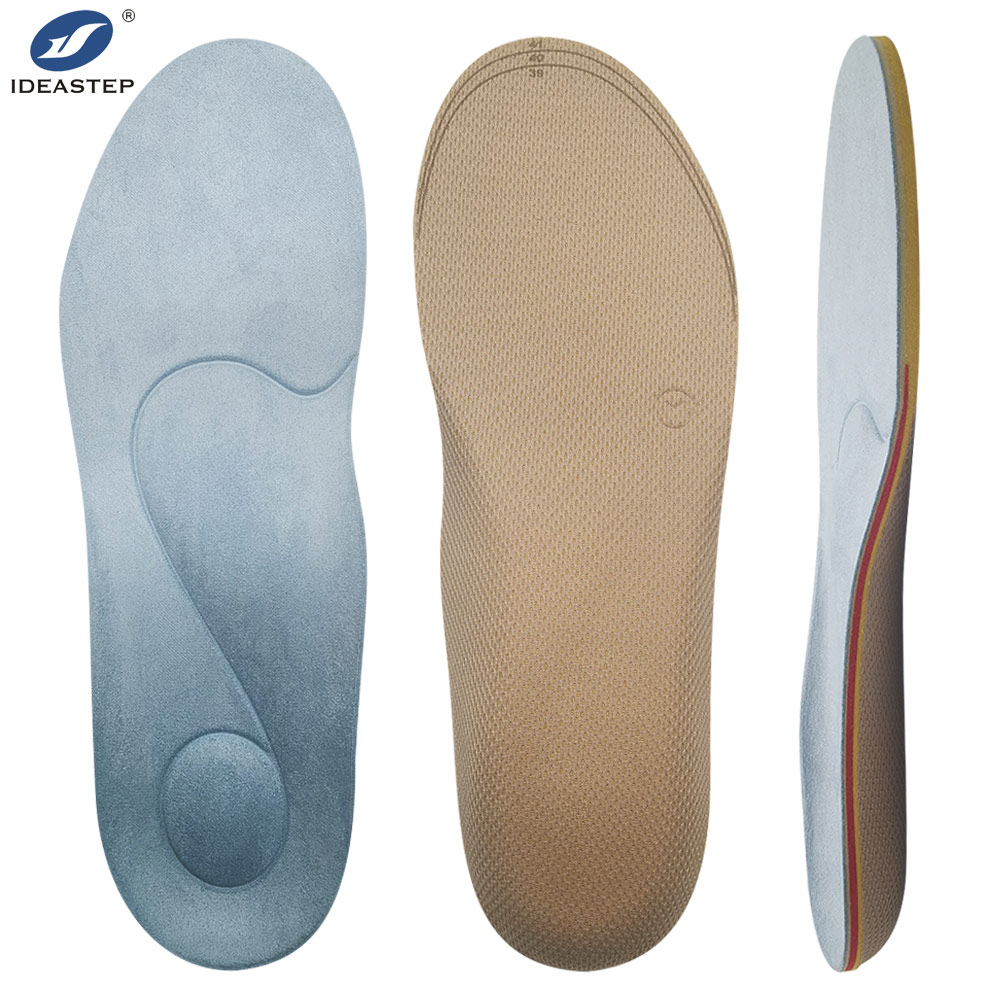
Modern medical orthotic insoles are usually made of multiple layers:
- Breathable surface layer
- Cushioning layer
- Support layer
- Stabilization layer
- Anti-slip bottom layer
Layers are bonded using heat pressing or eco-friendly adhesives.
We often adjust the proportion of each layer according to client needs. For example, diabetic foot care insoles have a thicker cushioning layer, while sports orthotic insoles have reinforced arch support layers. These subtle structural adjustments determine the insole’s real-world performance.
Brand Customization and Finishing
After the core structure is completed, insoles enter the finishing stage:
- Edge trimming
- Size marking
- Logo printing
- Surface treatment
- Appearance inspection
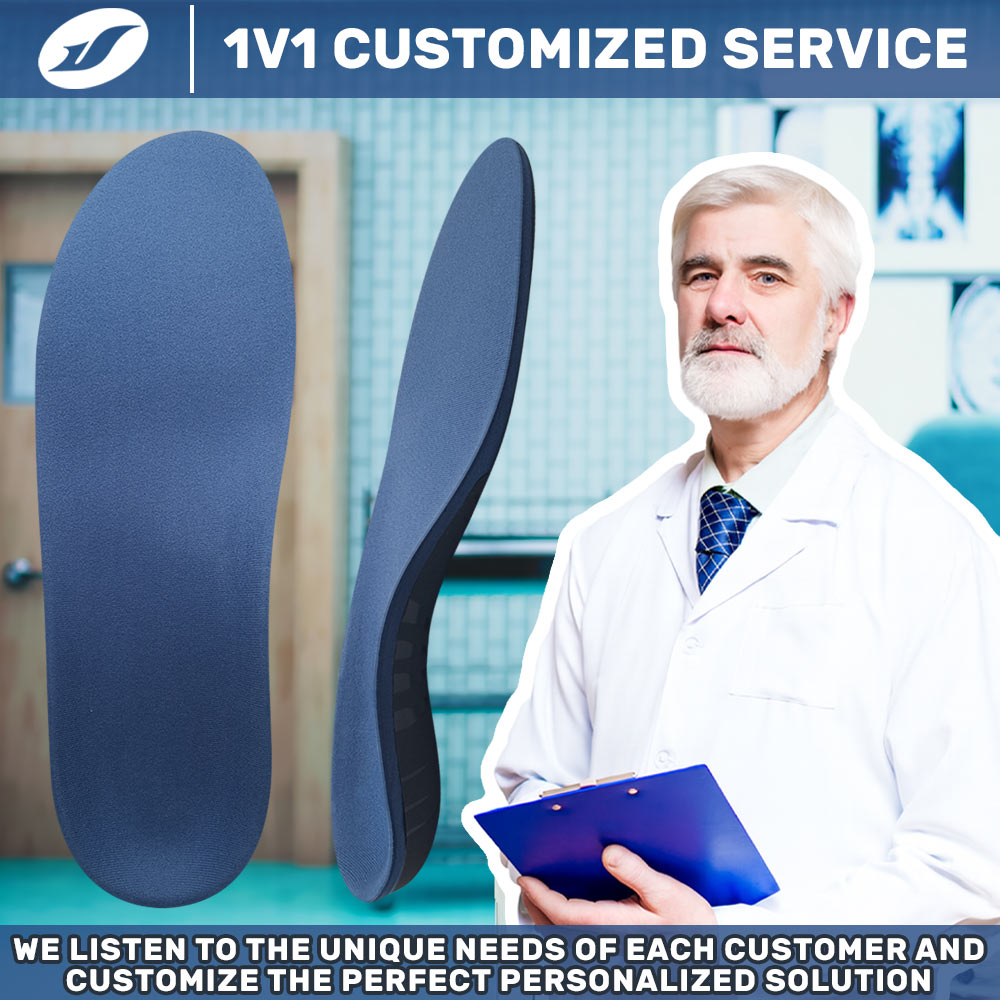
For OEM and ODM projects, this stage is essential for brand presentation. We provide:
- Logo printing
- Private label customization
- Retail packaging design
- Instruction manual customization
- Color box packaging options
Quality Control: Ensuring Consistency
For B2B buyers, the biggest concern is often batch-to-batch consistency.
Quality control runs throughout the production process:
Raw Material Inspection
Each batch undergoes density, hardness, dimension, and visual inspections before storage.
In-Process Inspection
Random checks during production focus on:
- Arch support structure
- Material adhesion
- Thickness consistency
- Appearance quality
Finished Product Inspection
Before packaging, final checks ensure the product meets the approved sample standard. Depending on product type, bending tests, wear resistance tests, and pressure distribution evaluations are also conducted.
Packaging and Global Shipping
After quality inspection, products are packaged according to sales channels:
- Individual packaging
- Retail color box packaging
- E-commerce optimized packaging
- Wholesale shipping packaging
For international shipments, we optimize packaging to minimize damage during transport. Currently, our insoles are exported to North America, Europe, Oceania, and Asia, providing stable supply for brands, distributors, and medical suppliers.
Why Buyers Care About Manufacturing Processes
In the past, companies mainly focused on cost. Today, more brands recognize the importance of supply chain quality.
Reliable manufacturing processes mean:
- Lower after-sales issues
- Higher customer satisfaction
- Consistent market reputation
- Long-term business partnerships
Especially for medical orthotic insoles, product performance depends on manufacturing details as much as materials.
Conclusion: Every Step Matters from Factory to Foot
From design and R&D to final shipment, each stage in manufacturing medical orthotic insoles affects comfort, support, and long-term use.
As a dedicated medical orthotic insole manufacturer, we believe stable quality comes from standardized processes, and long-term partnerships are built on reliable delivery capabilities.
If you are looking for a trustworthy OEM/ODM partner or want to learn more about medical orthotic insole wholesale and customization services, please contact us to request samples and solutions.
Expand more related content: Introducing Ideastep’s OEM Orthotics