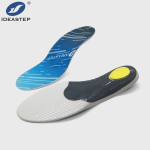
In today’s footwear industry, EVA (Ethylene Vinyl Acetate) has become one of the most widely used sole materials for sports shoes, slippers, and casual footwear. Its lightweight structure, cushioning performance, and easy processing make it a preferred choice for global footwear brands.
However, in real production, most brands do not simply choose “EVA material”. They need a custom EVA sole solution that matches their market positioning, target price, and product design.
This is where a professional EVA sole manufacturer plays an important role.
What Is EVA Sole Material?
EVA is a foam material made through a foaming injection process. The internal structure contains air bubbles, which gives it a soft, lightweight, and flexible character.
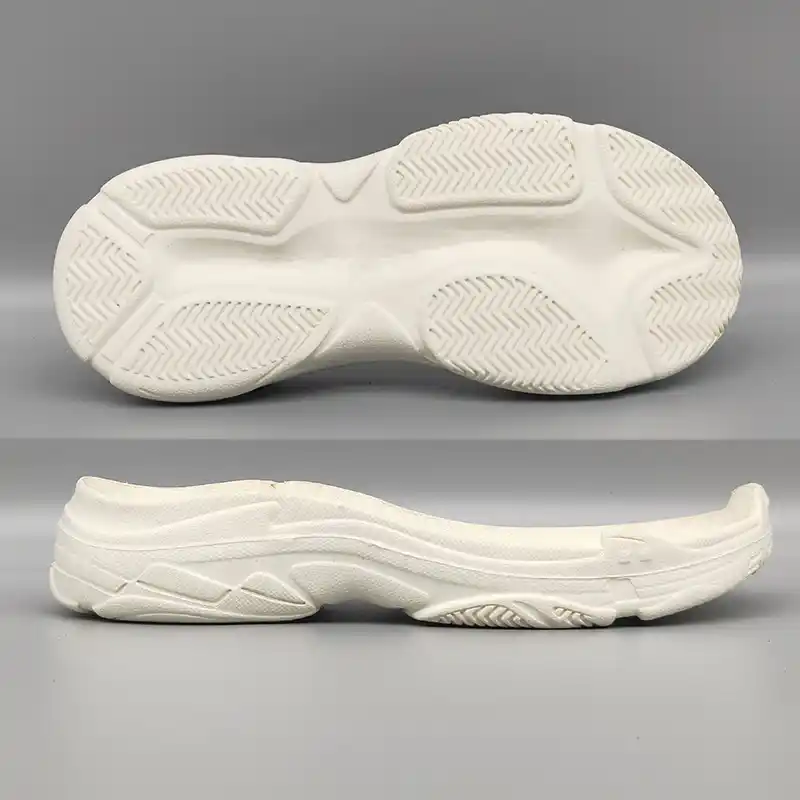
In footwear production, EVA is mainly used for midsoles, slippers, and lightweight outsoles because it provides a good balance between comfort and cost efficiency.
Why EVA Is Popular in Footwear Manufacturing
From our production experience, EVA remains one of the most stable materials for mass footwear manufacturing for several reasons:
- Lightweight structure: reduces overall shoe weight and improves wearing comfort
- Soft cushioning: helps absorb impact during walking or running
- Flexible design options: suitable for different mold shapes and styles
- Cost efficiency: works well for both premium and mass-market shoes
Because of these advantages, EVA is widely used in sports shoes, casual sneakers, and indoor slippers.
Custom EVA Sole Solutions for Footwear Brands
Different markets require different EVA performance levels. That is why customization is a key part of modern footwear development.
1. EVA Density Adjustment
EVA can be produced in different hardness levels depending on the shoe type:
- Soft EVA for slippers and comfort sandals
- Medium-density EVA for casual sneakers
- Hard EVA for structural support or outdoor use
By adjusting density, brands can control both comfort and durability in their final product.
2. Color Customization
EVA soles can be matched with Pantone colors to maintain consistent branding across collections.
This is especially important for fashion footwear brands that focus on visual identity.
3. Mold and Shape Development
Custom EVA soles require mold development based on product design.
We support 3D design, prototype sampling, and mold production to help brands turn concepts into physical products.
4. Logo Integration
Branding can be added directly to EVA soles through embossing, printing, or engraving.
This helps footwear brands increase product recognition in retail markets.
5. Performance Modification
Depending on product requirements, EVA formulation can be adjusted for:
- Better slip resistance
- Higher rebound performance
- Ultra-lightweight structure
Where EVA Soles Are Commonly Used
EVA soles are widely used across different footwear categories:
- Running shoes: lightweight cushioning for performance
- Casual sneakers: daily comfort and flexibility
- Slippers: soft and lightweight structure for indoor use
- Sandals: comfortable wear in warm weather
This flexibility makes EVA suitable for both sports and lifestyle footwear.
How Custom EVA Sole Production Works
In most OEM projects, EVA sole development follows a clear production process:
Step 1: Requirement Discussion
We first confirm shoe type, target market, and performance requirements with the client.
Step 2: Sample Development
Initial samples are produced for testing fit, density, and comfort.
Step 3: Mold Creation
Once approved, molds are developed based on the final design.
Step 4: Mass Production
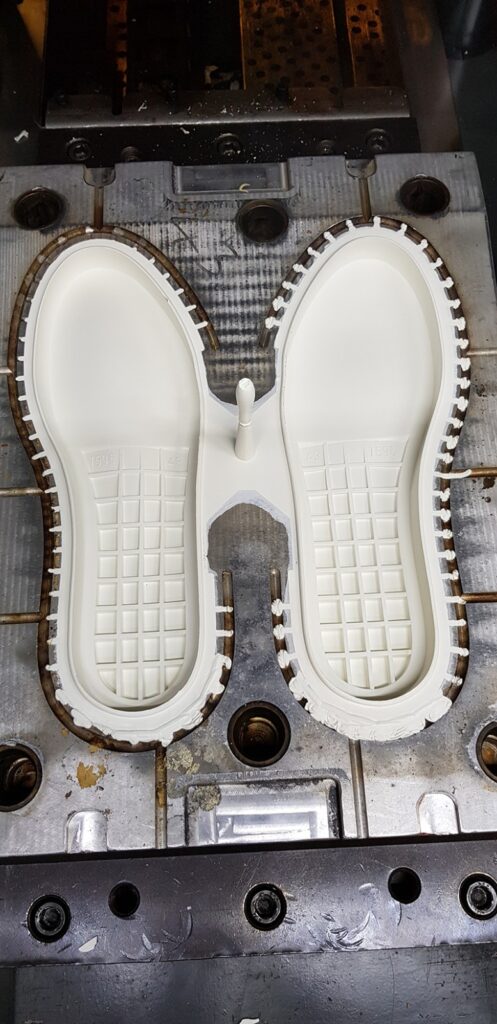
EVA materials are processed through injection or compression molding for bulk production.
Step 5: Quality Inspection
Each batch is tested for density consistency, compression resistance, and durability before shipment.
Why Global Brands Choose EVA Solutions
From a manufacturing perspective, EVA is not just a material—it is a flexible solution for different footwear markets.
Global footwear brands choose custom EVA soles because they offer:
- Stable quality for large-scale production
- Flexible design and customization options
- Competitive manufacturing cost
- Short sampling and development cycle
- Suitable for both premium and budget products
For many brands, working with a reliable EVA sole factory helps reduce development risk and improve product consistency.
Quality Control in EVA Sole Production
To ensure consistent performance, EVA soles go through strict quality control processes:
- Density testing for material consistency
- Hardness testing for comfort control
- Compression resistance testing
- Aging and durability checks
These tests help ensure that every pair meets the required standards for global markets.
Conclusion
Custom EVA sole material solutions are widely used in modern footwear manufacturing because they combine comfort, flexibility, and cost efficiency.
However, the real value is not just the material itself, but how it is customized for different markets and product positions.
For footwear brands, choosing the right EVA sole supplier means more than buying materials—it means working with a manufacturing partner who can support product development from design to mass production.
Related Post:Which Sole Is Better, EVA or PVC?