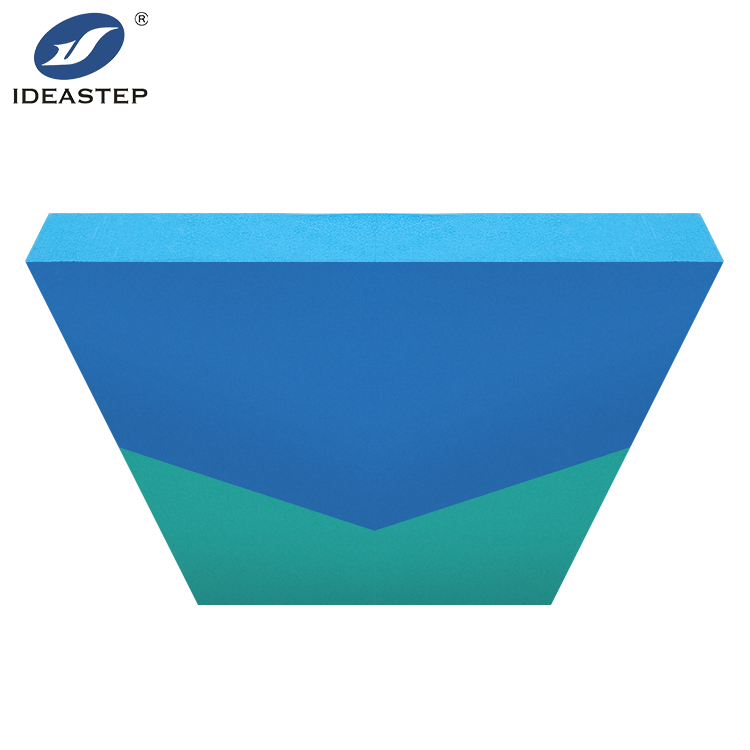
Dual-density EVA blocks are used in the production of orthotic insoles, footwear inserts, and other insole components that require different levels of support and cushioning. By combining two EVA layers with different densities, manufacturers can build these properties into a single material structure.
Ideastep supplies dual-density EVA blocks for orthotic laboratories, insole manufacturers, footwear producers, and wholesale buyers. Available options can include different density combinations, dimensions, shapes, colors, and logo details, subject to project requirements.
How Dual-Density EVA Works in Insole Manufacturing
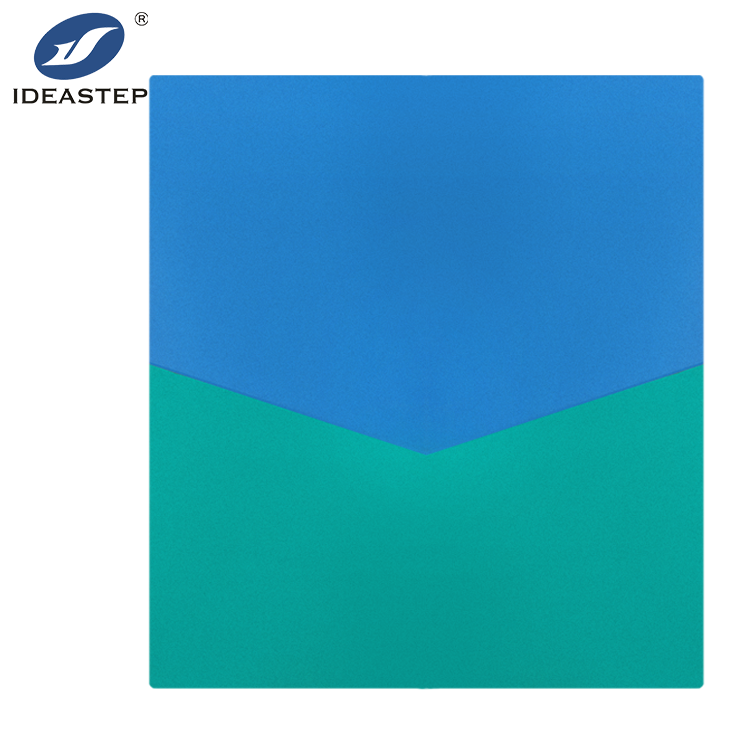
A dual-density structure combines two EVA layers with different material characteristics. The final performance depends on the density and hardness of each layer, the overall dimensions, the bonding process, and the design of the finished component.
High-Density EVA for Structural Support
The higher-density layer provides a firmer section within the material structure. In orthotic insole production, this layer may be specified for areas that require greater structural support or shape retention.
The appropriate density and hardness depend on the intended application and component design. Manufacturers should confirm these specifications against their technical requirements rather than selecting materials by density alone.
Low-Density EVA for Cushioning and Impact Absorption
The lower-density layer provides a softer section that can contribute to cushioning and impact absorption. Its role depends on the material formulation, thickness, and position within the finished component.
When developing a dual-density insole, both layers should be evaluated as part of the complete structure. Sample testing can help manufacturers assess whether the material combination meets their requirements for compression, flexibility, and processing.
Applications in Orthotic Insole and Footwear Production
Custom Orthotic Insoles
Dual-density EVA blocks can be considered for orthotic insole designs that require different material properties in separate sections. The density combination should match the product’s structural requirements, geometry, and manufacturing process.
For orthotic laboratories and insole producers, material selection should account for the intended design, cutting method, thickness requirements, and performance criteria.
Footwear Inserts and Insole Components
Footwear manufacturers can also evaluate dual-density EVA for inserts and other insole components that combine firmer and softer sections. Before production, the material should be checked for compatibility with the required dimensions, cutting equipment, and downstream assembly processes.
EVA offers a relatively lightweight material option and useful moisture resistance. However, compression behavior, durability, and dimensional stability vary with formulation, density, thickness, and processing conditions.
Custom EVA Specifications for Die-Cut Insole Production
Material specifications should be established before production begins. Ideastep can discuss the following options according to project requirements and manufacturing feasibility.
- Density combinations: Specify the required characteristics of the upper and lower EVA layers.
- Shape and dimensions: Provide the required block size, thickness, and component outline.
- Color options: Blue and green are available options; other colors can be discussed for specific projects.
- Logo requirements: Custom logo details may be considered for suitable OEM projects.
- Processing compatibility: Confirm whether the material structure and dimensions suit the intended die-cutting or insole manufacturing process.
For an accurate quotation, buyers should provide the intended application, required dimensions, density or hardness specifications, color, estimated order quantity, and any available drawings or technical documents. These details help establish material feasibility and clarify the specifications before sampling or bulk production.
What to Confirm Before Placing a Bulk Order
Clear specifications help reduce discrepancies between samples and production orders. Before confirming a purchase, manufacturers and wholesale buyers should review the following points:
- Layer specifications: Confirm the density, hardness, thickness, and arrangement of each EVA layer.
- Dimensional tolerances: Define the required block dimensions and acceptable variation.
- Processing requirements: Check compatibility with die cutting and any subsequent manufacturing steps.
- Samples and order quantity: Confirm sample availability, minimum order quantity, pricing, and production feasibility.
- Branding and packaging: Specify logo requirements and packaging details where applicable.
- Lead time and documentation: Confirm the production schedule and request any documents required for the intended market or application.
Providing complete technical information at the inquiry stage makes it easier to assess material suitability, quotation requirements, and production arrangements.
Material Documentation and Compliance
Documentation requirements depend on the material specification, intended application, and destination market. Buyers should identify the applicable requirements before placing an order and request supporting documents for verification.
References to GRS, CE, ISO 9001, ISO 13485, or material safety documentation should be checked against the actual product, manufacturing facility, and intended use. ISO 9001 and ISO 13485 relate to quality management systems; they should not be presented as product certifications. CE marking and other compliance requirements apply only where relevant under the applicable rules.
Confirming the scope, validity, and applicability of documentation helps buyers assess whether the supplied material meets their procurement requirements.
Request a Quote for Dual-Density EVA Blocks
For orthotic laboratories, insole manufacturers, footwear producers, and wholesale buyers, material selection starts with the required layer structure, dimensions, and processing conditions.
When contacting Ideastep, include the intended application, density or hardness requirements, block dimensions, preferred color, estimated quantity, and available technical drawings. The team can then discuss feasible specifications, sample arrangements, pricing, and supply conditions.
Contact Ideastep to discuss dual-density EVA blocks for orthotic insole production.
Browse Related Products: https://www.aideastep.com/product/ideastep-custom-dual-density-eva-die-cut-blocks-for-orthotic-insoles/.