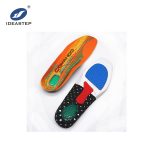
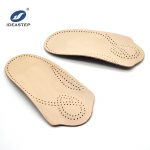
Developing custom foot insoles for wholesale supply starts with clear product specifications and a realistic production plan. Buyers need to define the required structure, materials, size range, and order volume before moving into sampling and mass production.
For manufacturers, the challenge is turning these requirements into a product that can be produced consistently at the agreed quality and cost. A clear development process helps both parties reduce revisions and prepare for repeat orders.
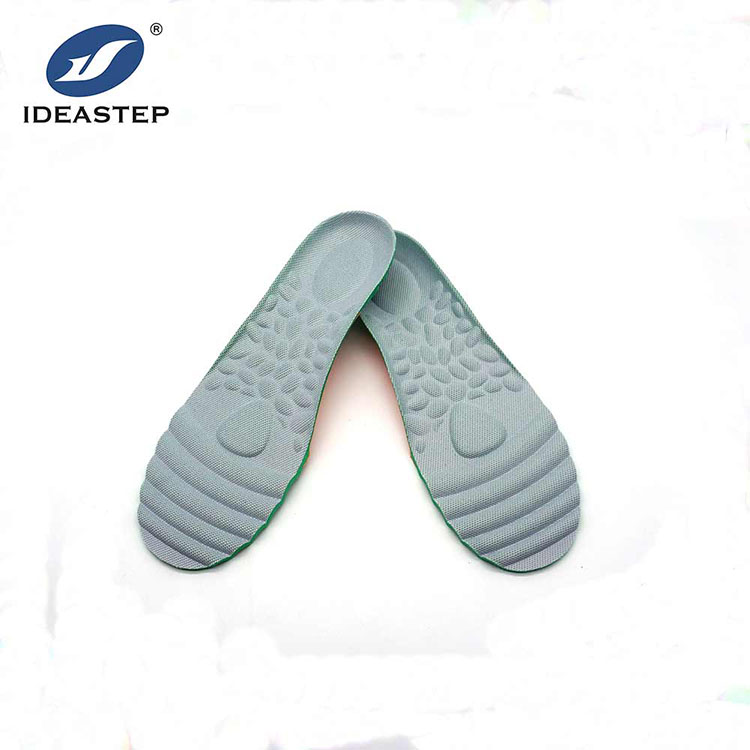
1. Define Product Requirements
Before requesting a quotation or sample, wholesale buyers should establish the main technical and commercial requirements.
- Product application: Sports footwear, work shoes, orthotic footwear, or other target categories.
- Structural design: Arch profile, heel cup depth, thickness, and support components.
- Material specifications: EVA density, material hardness, top-cover selection, and multilayer construction.
- Size range: Required sizes, grading specifications, and dimensional tolerances.
- Order details: Estimated quantity, packaging, labeling, and target delivery date.
Reference samples, technical drawings, and existing product specifications can help clarify the requirements. For new designs, an initial technical review can identify potential manufacturing issues before sampling begins.
2. Select Materials and Construction
Material selection affects the insole’s structure, cushioning characteristics, processing requirements, and production cost. The choice should reflect the intended application and the specifications agreed with the manufacturer.
| Material | Typical Role |
|---|---|
| EVA | Lightweight structures, cushioning, and dual-density designs |
| PU | Cushioning layers and flexible components |
| PORON | Cushioning components in selected constructions |
| PP | Semi-rigid or rigid support shells |
| TPU | Support components with varying degrees of flexibility |
| Fabric or microfiber | Top covers and surface finishing |
Multilayer constructions can combine materials with different properties, but they also require careful control of thickness, bonding, and assembly. Material compatibility should be checked during development rather than left until mass production.
Cost is another consideration. Material grade, component count, processing methods, and order quantity all affect the final unit price. Reviewing these factors early helps buyers balance product requirements with their target purchasing budget.
3. Develop and Approve the Sample
Sampling turns the product brief into a physical reference for production. The process usually involves three stages.
Design Review
The manufacturer reviews dimensions, structural details, material choices, and available drawings or reference samples. CAD/CAM design or CNC machining may be used where appropriate to the project.
Sample Evaluation
Samples are checked against the agreed specifications, including dimensions, thickness, hardness where applicable, bonding, and finishing. Compatibility with the intended footwear and relevant durability tests should also be assessed when required.
Specification Approval
After the sample is approved, confirm the final drawings, material details, size grading, and packaging requirements. Any revisions should be documented so that production follows the correct version.
For orders covering multiple sizes or models, this step helps prevent inconsistencies caused by incomplete specifications or outdated samples.
4. Maintain Quality During Bulk Production
An approved sample provides a reference, but consistent bulk production also depends on routine inspection and documented specifications.
- Material inspection: Verify incoming materials against agreed thickness, hardness, density, or other relevant requirements.
- Dimensional checks: Compare finished insoles with approved drawings and size specifications.
- Assembly inspection: Check bonding, edge finishing, surface quality, and component alignment.
- Durability testing: Apply agreed test methods when required by the product specification.
- Batch records: Document inspection results and review changes to materials or construction before implementation.
Inspection criteria should be agreed before mass production. This is particularly important for multilayer designs and product ranges that include several sizes or repeated orders.
5. Confirm MOQ, Pricing, and Lead Time
Commercial planning should begin before the sample is finalized. Minimum order quantity, unit cost, and delivery schedule can all be affected by the product design and manufacturing requirements.
Minimum Order Quantity
MOQ may depend on material purchasing, production setup, construction complexity, and packaging. Buyers ordering several models, colors, or sizes should confirm whether minimum quantities apply to each variation.
Unit Cost
The main cost factors include material grade, product structure, processing methods, order volume, and branding requirements. A complete specification allows the manufacturer to prepare a more accurate quotation.
Production Schedule
Sampling, revisions, material preparation, and mass production require separate time allowances. Packaging, labeling, shipping arrangements, and delivery terms should also be confirmed before the order is released for production.
6. OEM, ODM, and Private Label Development
Wholesale buyers can modify an existing insole model or develop a new product based on their own specifications.
Existing Model Modifications
Changes may include dimensions, materials, colors, top covers, or selected structural features. This approach can be suitable when the required changes fit the existing construction.
New Product Development
New development may involve design review, material evaluation, prototyping, and additional sample revisions. Drawings, reference samples, and clearly defined requirements help establish the scope of work.
Branding and Packaging
For private label projects, buyers should confirm logo artwork, labeling, and packaging specifications early. Available options, MOQ, costs, and lead times depend on the project and should be verified during quotation.
7. Evaluate the Manufacturer’s Production Capabilities
Choosing a custom insole manufacturer involves more than comparing sample quality or quoted prices. Wholesale buyers should check whether the supplier can support the full project.
- Experience with the required materials and product construction.
- Ability to review specifications and manage sample revisions.
- Established inspection procedures and documented quality requirements.
- Capacity to handle the required order volume and size range.
- Clear communication regarding costs, lead times, and specification changes.
A supplier’s capabilities should match the actual requirements of the project. Confirming these points before placing a bulk order can reduce production risks and make repeat purchasing easier to manage.
8. Discuss Your Custom Foot Insole Project
A successful bulk order depends on clear specifications, an approved sample, agreed quality standards, and realistic production planning.
Ideastep works with businesses developing custom foot insoles for wholesale distribution and private label supply. To discuss a project, buyers can provide the target application, preferred materials, size range, reference samples or drawings, and estimated order quantity.
Contact Ideastep to discuss your product requirements, sample development, and wholesale supply options.
Explore More:
Custom Foot Insoles for Brands, Clinics and OEM Projects
Custom Foot Insoles: Cost, Coverage, and Benefits for Foot Health