Why Generic Inserts Limit Your Footwear Brand Growth
Many footwear brands rely on off-the-shelf shoe inserts to fill out their product lines, only to hit hard limits on differentiation and customer retention. One-size-fits-all inserts carry fixed arch geometry and standard foam densities, leaving little room to match your unique shoe lasts, target user groups or premium brand positioning.
For wholesale and OEM footwear partners, these generic footbeds often drive avoidable returns and brand complaints. Minor mismatches in contour, compression rate or surface grip become noticeable once end users wear the shoes for extended periods. In today’s competitive European and North American markets, brands that stick with standard inserts struggle to command premium pricing, as there is no tangible feature to separate their footwear from mass-market competitors.
Custom sole inserts change this dynamic. Instead of treating footbeds as a throwaway accessory, you turn them into a core selling feature that adds real functional value to every shoe model in your lineup.
What Are Bespoke Custom Sole Inserts For Footwear OEM
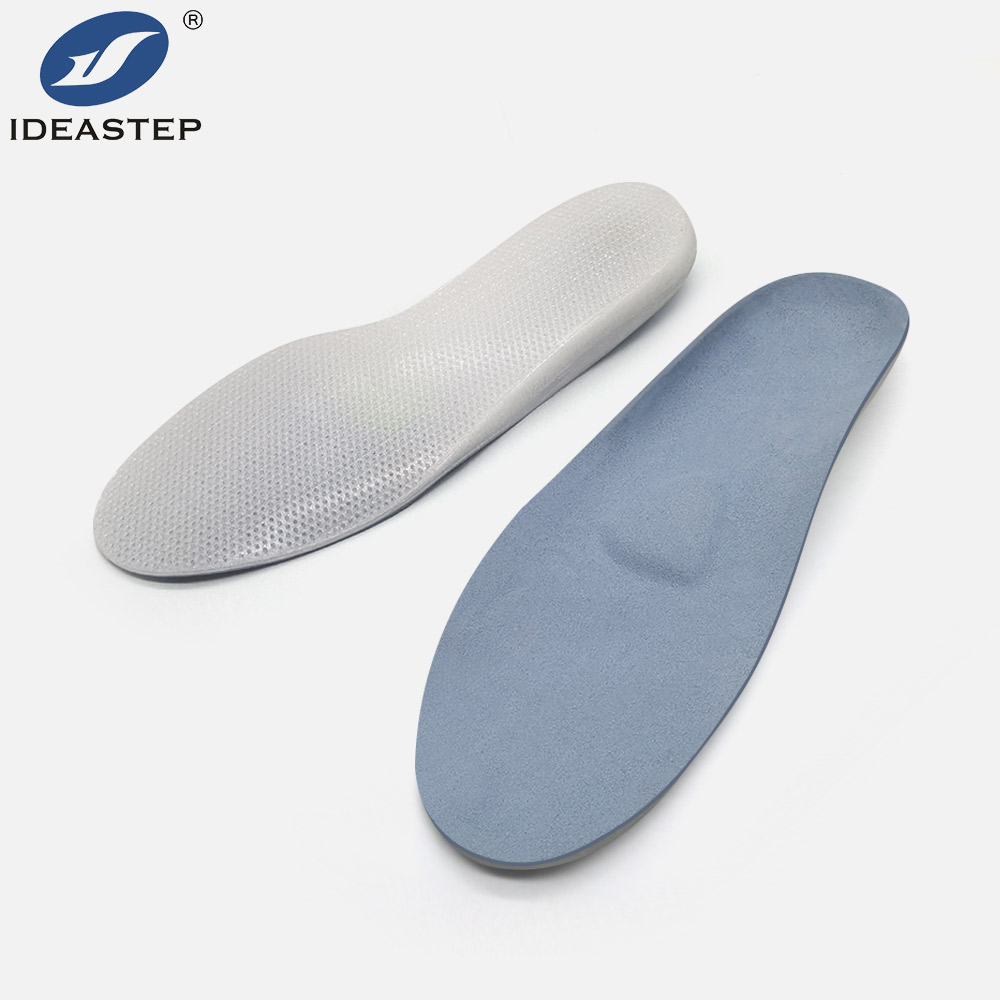
Bespoke custom sole inserts fall into two primary categories for footwear OEM projects: semi-custom and fully custom footbeds. Semi-custom options use adjustable arch profiles and pre-calibrated base materials, ideal for brands looking for moderate customization with faster sampling and lower minimum orders. Fully custom footbeds are built around your shoe last data, with arch height, heel cup depth and metatarsal support engineered to your exact specifications.
Material selection forms the backbone of performance. EVA, PU, cork and composite layered structures each deliver different levels of cushioning, rigidity and long-term compression resistance. Every custom footbed can be modified on surface fabric, edge trimming, thickness profiles, custom branding embossing and color matching to align with your footwear collection aesthetic.
How Custom Sole Inserts Add Differentiation To Your Shoe Line
Custom sole inserts let you build a tiered product portfolio without overhauling your entire shoe design. A base footwear model can ship with standard inserts, while premium or performance variants come fitted with bespoke footbeds. This simple tiering strategy directly lifts average order value and gives your sales team a clear functional selling point for retailers and distribution partners.
These tailored footbeds work well across multiple footwear segments including work boots, hiking footwear, everyday casual shoes and therapeutic footwear lines. Brands targeting podiatry clinics and physical therapy distributors also gain an edge, as the engineered support profile appeals to buyers focused on foot comfort and biomechanical performance.
Critical Technical Specifications To Review With Your Footbed Manufacturer
Before locking in bulk production, align on clear performance testing standards with your manufacturer. Key metrics include long-term compression fatigue, arch retention under repeated load, heel slip resistance and tear resistance of top cover fabrics. Consistent performance testing prevents quality drift across large production batches.
Material compliance is non-negotiable for US and EU distribution. All raw materials must satisfy REACH and RoHS requirements, with safe skin contact certifications. Start the development workflow with 3D scanning and prototype sampling, followed by small batch validation to confirm fit inside your shoe lasts before full mass production.
OEM Sourcing Checklist For Custom Sole Inserts Bulk Production
When evaluating potential footbed OEM suppliers, start by reviewing sampling turnaround time and flexible MOQ options. A reliable manufacturer can adapt to your launch timeline, whether you need low-volume trial runs or full-scale wholesale production.
Set clear project milestones for every order. Document prototype sign-off, production scheduling, in-line quality inspection and custom packaging requirements. It is also important to map cost variables: custom logo embossing, special material layers and precision contour cutting all affect unit pricing, helping you balance budget targets and product performance.
Common Pitfalls When Sourcing Bespoke Footbeds and How To Avoid Them
One of the most frequent issues in custom footbed OEM comes from inaccurate data transfer between shoe last files and footbed cutting molds. Minor dimensional errors at the prototype stage scale into widespread fit issues in bulk shipments.
Material batch inconsistency is another common risk. Request material batch test reports and define third-party random inspection terms within your purchasing agreement. Finalise all technical drawings and specification sheets in writing before production begins, so both parties share the same quality benchmark.
FAQ
What MOQ applies for custom sole inserts OEM orders?
MOQ varies based on customisation scope. Semi-custom sole inserts usually support smaller trial batches, while fully bespoke footbeds built with custom molds require higher minimum quantities. Discuss your launch volume goals with the manufacturer to find a workable solution.
How long does the bespoke footbed sampling process take?
Sampling typically ranges from 7 to 18 working days, depending on 3D design complexity, material selection and revision rounds. Factor in extra time for fit testing inside your shoe lasts.
Can custom sole inserts be fitted to multiple shoe styles in one footwear line?
Yes. Many brands design a base footbed platform that can be trimmed or adjusted to fit several shoe silhouettes within one collection, cutting down design and mold expenses.
Are bespoke footbeds compliant for sale in EU and US markets?
They can be, provided all raw materials meet REACH, RoHS and skin-contact safety standards. Confirm compliance documentation with your OEM partner before shipment.
Conclusion
Bespoke custom sole inserts represent a practical, high-impact way to upgrade your footwear brand portfolio. Instead of competing purely on price, you add measurable biomechanical benefits that resonate with wholesale buyers, retail partners and foot care distributors. Working with an experienced orthotic footbed OEM lets you turn custom footbeds into your brand’s competitive advantage, opening doors to higher-margin product lines and stronger long-term partner relationships.
Related Articles:
One Shoe Line Many Needs How Custom Made Shoe Inserts Expand Your Product Range
Sourcing Semi-Custom Orthotic Insoles for Wholesale and Bulk Orders