The Margin Crunch Facing Footwear Wholesale Partners
Footwear wholesalers and brand owners continue to fight squeezed margins across mass-market channels. Most standard footwear gets pulled into brutal price competition, where generic foam inserts offer no real functional advantage to justify higher wholesale or retail pricing. Buyers make purchasing decisions based purely on unit cost, and even small spikes in raw material costs eat away at already thin profit margins.
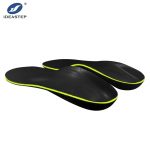
Many wholesale partners overlook a simple upgrade point built into every shoe: its insole. Generic inserts are treated as throwaway add-ons, but orthotic inserts custom engineered for your footwear collection turn this small component into a core selling feature. Retail buyers, podiatry clinics and specialty footwear distributors across North America and Europe actively source footwear with proven biomechanical support, and they will pay a premium for functional products that stand apart from mass-produced alternatives.
Custom orthotic inserts are more than just another line item in your bill of materials. They act as a practical strategy to build differentiated, high-margin product lines and reduce your reliance on cutthroat price competition.
What Custom Orthotic Inserts Bring To Wholesale Footwear Collections
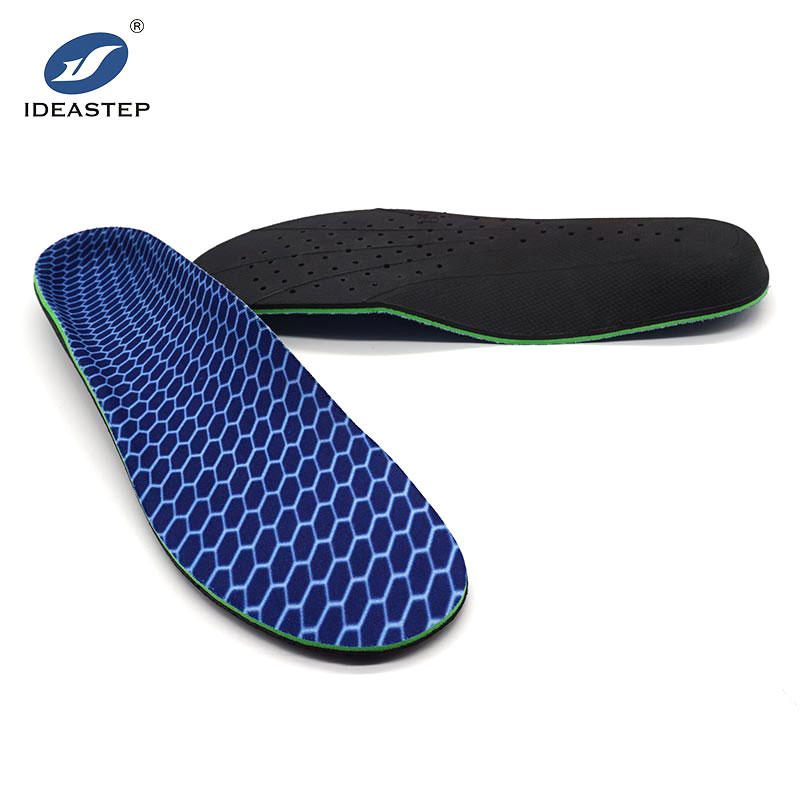
Two primary styles fit most wholesale footwear projects: semi-custom and fully custom orthotic inserts. Semi-custom options use pre-calibrated base structures paired with adjustable arch profiles. These work well for brands seeking moderate customization, faster sampling timelines and flexible minimum order volumes. Fully custom orthotic inserts are developed directly from your shoe last data, with heel cup depth, arch geometry and metatarsal relief fine-tuned precisely for your footwear silhouette.
Material selection shapes long-term performance. Multi-layer builds combining EVA, PU, cork or composite substrates balance cushioning, rigidity and compression resistance. Each insert can be adjusted with custom edge trimming, top cover fabrics, variable thickness, embossed brand logos and color matching aligned to your footwear collection design.
How Custom Orthotic Inserts Lift Product Margins For Wholesale Lines
Custom orthotic inserts make tiered product portfolios easy to implement, without requiring full redesigns of your shoe molds. A base wholesale shoe model can ship with standard inserts, while premium and performance variants come fitted with custom orthotic inserts. This tiered setup creates clear price segmentation and raises average deal value across your wholesale distribution network.
These orthotic products also unlock high-value sales channels beyond traditional shoe retailers. Podiatry clinics, physical therapy providers and specialty workwear wholesalers actively look for footwear with integrated orthotic support. A strong orthotic feature weakens direct price comparison, helps retain long-term wholesale partners and builds lasting brand equity in crowded markets.
Core Performance Standards To Validate With Your Orthotic Insert Manufacturer
Before approving mass production, lock in measurable performance benchmarks with your manufacturing partner. Critical tests include compression fatigue, sustained arch retention under repeated load, surface slip resistance and top fabric tear resistance. Consistent testing prevents performance drift across large production batches and reduces return claims from your wholesale customers.
Material compliance remains non-negotiable for EU and US wholesale distribution. All raw materials must satisfy REACH, RoHS and direct skin contact safety requirements. Kick off development with 3D modeling and prototype sampling, followed by small-batch fitting trials inside your shoe lasts to confirm proper fit before full-scale production.
Wholesale & OEM Sourcing Guide For Custom Orthotic Inserts
When vetting OEM suppliers for custom orthotic inserts, pay close attention to sampling turnaround, MOQ flexibility and mold development capability. A reliable manufacturer supports low-volume trial runs for new collection testing alongside large bulk shipments for established wholesale orders.
Set clear milestones for every order. Document prototype sign-off, production scheduling, inline quality checks and custom packaging specifications. It helps to understand cost variables: custom embossing, special substrate layers and precision contour cutting all shift unit pricing, so you can balance wholesale budget targets with required biomechanical performance.
Major Sourcing Risks and Mitigation For Custom Orthotic Inserts
One common issue during custom orthotic insert production stems from data translation errors between shoe last files and cutting molds. Minor dimensional inaccuracies at the prototype stage get amplified into widespread fit issues once bulk production begins.
Raw material batch inconsistency creates another frequent headache. Ask suppliers to provide batch test reports and add third-party random inspection clauses to purchasing contracts. Finalize all technical drawings and specification sheets in writing before production launch, so your brand and manufacturer share identical quality expectations.
FAQ
What MOQ is required for custom orthotic inserts wholesale orders?
MOQ depends on customization scope. Semi-custom orthotic inserts generally support smaller trial batches. Fully custom inserts requiring dedicated tooling carry higher minimum quantities. Discuss your collection launch volume with the manufacturer to reach a feasible arrangement.
How long is the sampling timeline for custom orthotic inserts?
Sampling normally takes 7 to 18 working days. Timelines shift based on 3D design complexity, material selection and revision rounds. Always reserve extra time for fitting tests inside your shoe lasts.
Can custom orthotic inserts fit multiple shoe styles within one wholesale collection?
Yes. Many wholesale brands adopt a base orthotic platform that can be trimmed or adjusted to fit several silhouettes in one collection. This method cuts mold and design costs across your whole footwear line.
What certifications do orthotic inserts need for US and EU wholesale distribution?
Products must comply with REACH, RoHS and skin contact safety standards. Confirm full compliance documentation from your OEM partner before shipping goods into EU or US wholesale markets.
Conclusion
Custom orthotic inserts offer footwear wholesale partners a realistic way out of low-margin price competition. By integrating purpose-built orthotic inserts into your footwear lineup, you deliver measurable biomechanical benefits that resonate with specialty retailers, clinic buyers and wholesale distributors. Working alongside an experienced orthotic insert OEM lets you build high margin footwear lines and nurture stable, long-term B2B partnerships.
Related Articles:
Work Insoles for Safety Shoes with Deep Heel Cup and Arch Support
Wholesale Diabetes Insoles with Dual-Density EVA Construction