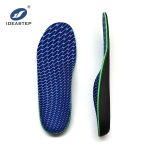
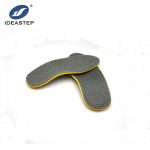
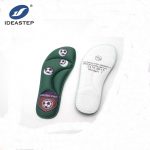
Custom orthotics for feet require more than a defined shape or a choice of materials. For wholesale buyers, the development process involves translating product requirements into workable specifications, validating samples, and maintaining consistency across production batches. Each decision affects the final insole’s structure, manufacturing cost, and suitability for its intended footwear application.
A reliable supply project starts with a clear product brief and direct communication between the buyer and manufacturer. Material performance, dimensional requirements, production capacity, and quality standards should be agreed upon before bulk orders begin.
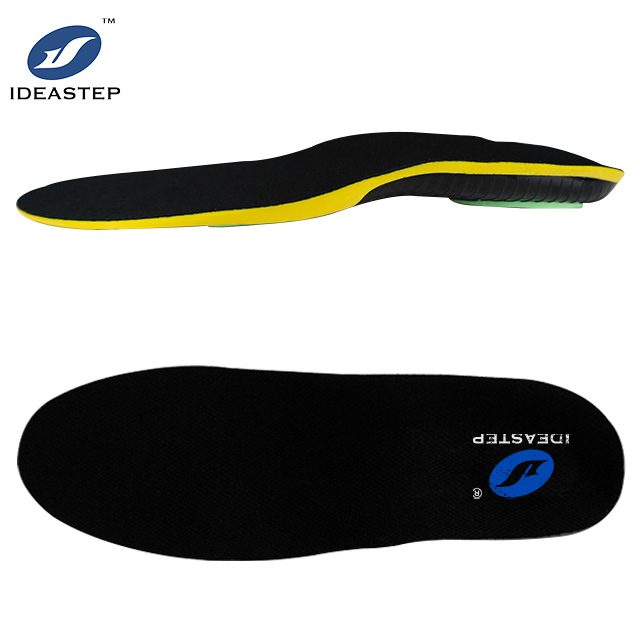
Understanding Custom Orthotics for Feet
Custom orthotics are developed around specific structural, functional, and dimensional requirements. Unlike standard stock insoles, they can incorporate defined arch profiles, heel cup depths, cushioning zones, shell stiffness, and material combinations.
For wholesalers, footwear brands, and foot-care product suppliers, the first task is to establish what the product must achieve. A brief that only states “arch support” leaves too much room for interpretation. Manufacturers also need information about the intended footwear, target size range, support level, material preferences, and expected order volume.
Existing samples, technical drawings, reference images, and dimensional specifications can all support product development. When a project is based on an existing product, identifying the features that must remain unchanged helps avoid unnecessary revisions.
Define the Technical Specifications Before Production
Product specifications determine how an insole will be developed and evaluated. Incomplete requirements often lead to repeated sample adjustments, inconsistent expectations, and delays in approving production.
A technical brief should cover the following areas:
- Product dimensions: Length, width, thickness, size range, and dimensional tolerances.
- Support structure: Arch profile, heel cup geometry, metatarsal support, and any required stabilizing components.
- Material construction: Material grades, density or hardness requirements, layer arrangement, and top-cover selection.
- Footwear compatibility: Intended shoe type, available internal space, and any restrictions on overall insole thickness.
- Appearance: Color, surface finish, logo placement, and packaging requirements.
- Performance criteria: Relevant requirements for compression resistance, bonding strength, flexibility, or durability.
Not every project needs the same level of technical detail. A replacement product based on an approved sample may require fewer design changes than a new orthotic insole developed for a footwear brand. The specification should reflect the project’s actual scope rather than rely on a generic checklist.
Dimensional tolerances deserve particular attention in wholesale production. Even when the overall shape looks correct, variation in thickness, heel position, or arch height can affect fit within the intended footwear. Buyers and manufacturers should agree on acceptable tolerances and inspection methods before confirming the final sample.
Select Materials and Construction Methods
Material selection affects support characteristics, cushioning, weight, processing requirements, and unit cost. The right combination depends on the intended product structure and the performance criteria defined in the technical brief.
| Material | Typical Role in Insole Construction | Points to Evaluate |
|---|---|---|
| EVA | Cushioning layers, shaped bases, and support components | Density, hardness, compression behavior, and thickness |
| PU | Cushioning structures and molded components | Resilience, weight, formulation, and processing requirements |
| PORON | Targeted cushioning and pressure-distribution zones | Thickness, recovery, placement, and material cost |
| PP | Semi-rigid or rigid support shells | Shell thickness, stiffness, shape retention, and forming requirements |
| TPU | Flexible structural components and support elements | Flexibility, geometry, durability, and manufacturing method |
| Fabric or microfiber | Top covers and surface finishes | Abrasion resistance, bonding compatibility, texture, and color consistency |
These materials are not interchangeable. Two EVA grades, for example, may have different hardness and compression characteristics despite appearing similar. Material samples should therefore be assessed against agreed specifications rather than selected by name alone.
Construction also matters. A single-material insole may suit a straightforward design, while a layered structure can combine cushioning with a firmer support component. A PP or TPU shell paired with an EVA base is one possible configuration, depending on the required balance of rigidity, flexibility, and available shoe volume.
Every additional layer or component introduces another manufacturing consideration, including bonding, alignment, thickness control, and material compatibility. A practical design balances functional requirements with production complexity. The most elaborate construction is not necessarily the most suitable option for a wholesale program.
Move from Prototype Development to Sample Approval
Sample development gives both parties an opportunity to verify the proposed construction before committing to a production order. Depending on the project, development may involve CAD/CAM design, CNC processing, shell forming, material lamination, trimming, and finishing.
The first sample should be reviewed against the agreed technical brief. Relevant checks may include:
- Overall dimensions and size grading
- Arch profile, heel cup shape, and component positioning
- Total thickness and layer alignment
- Surface finish, color, and logo placement
- Bonding quality and visible manufacturing defects
- Compatibility with the intended footwear design
A sample that looks correct is not automatically ready for production. Any required functional or durability testing should be defined according to the product’s intended application and applicable requirements.
Feedback should identify specific changes rather than rely on broad comments such as “make it softer” or “improve the support.” Where relevant, the buyer can specify a hardness range, a revised thickness, a change in arch geometry, or a different material grade.
Once the sample is approved, the final version should become the production reference. Material specifications, drawings, size information, approved colors, and relevant inspection criteria should be documented together. This reduces the risk of later batches being produced against outdated samples or informal instructions.
Maintain Quality Control During Wholesale Production
Bulk production requires a consistent reference standard. Without documented specifications and inspection procedures, acceptable samples can be followed by finished goods with noticeable differences in dimensions, material behavior, or assembly quality.
Quality control should address several stages of production.
Incoming Material Inspection
Materials should be checked against purchasing specifications before processing. Depending on the material, relevant checks may include thickness, density, hardness, color, surface condition, and supplier documentation.
In-Process Inspection
During cutting, molding, milling, lamination, or assembly, inspection can identify dimensional deviations, misaligned components, and bonding problems before they affect a large quantity of finished insoles.
Finished Product Inspection
Finished products should be assessed against the approved sample and agreed acceptance criteria. Common inspection points include size, thickness, profile, appearance, bonding, edge finishing, and logo placement.
Batch Consistency and Traceability
Production records help link finished goods to material batches, specifications, and inspection results. This becomes particularly important when a buyer places repeat orders or distributes the same product through multiple sales channels.
Testing requirements should match the product and its intended market. Where certifications, chemical restrictions, or specific performance tests apply, the buyer and manufacturer should confirm the required standards and supporting documentation before production.
Plan MOQ, Pricing, and Lead Time Around the Product Specification
Minimum order quantity, unit pricing, and delivery schedules depend on more than the number of insoles ordered. Material selection, construction complexity, size coverage, processing requirements, packaging, and inspection standards can all affect the commercial terms.
A clear quotation should identify the agreed product specification and explain any relevant cost variables. For example, a multi-layer insole with a rigid support shell may require different processing and assembly steps from a flat EVA design. These differences should be reflected in the quotation rather than treated as unexpected changes later.
Buyers should also clarify whether the quoted quantity applies to each size, each model, or the total order. A project covering several sizes, colors, or support configurations may require separate production planning for each variation.
Lead time should be discussed in relation to sample approval, material availability, production scheduling, inspection, and packaging. Changes made after approval can affect the original schedule, especially when they involve new materials or revised tooling and processing arrangements.
For repeat wholesale orders, retaining approved specifications and production records can make planning more predictable. It also helps both parties identify whether a price or lead-time change results from a revised design, a different order quantity, or a change in material requirements.
OEM, ODM, and Private Label Insole Programs
Wholesale buyers may approach manufacturers with a completed design, an existing product that needs adjustment, or only a set of initial requirements. The appropriate development arrangement depends on how much design work remains.
OEM projects generally follow buyer-defined specifications, drawings, or approved samples. The manufacturer produces the insoles according to the agreed requirements.
ODM projects involve more input from the manufacturer in developing the product structure, material combination, or technical solution. The buyer and manufacturer work together to confirm a design that meets the project’s commercial and functional objectives.
Private label programs focus on supplying products under the buyer’s brand. Requirements may include logo application, product labeling, packaging, and consistency across different sizes or product models.
These arrangements can overlap. A private label order may use an existing product, while another project may require structural adjustments before branding and packaging are finalized. The key is to define the development scope, approval responsibilities, and ownership or permitted use of project-specific designs in the commercial agreement.
Before production, buyers should also confirm which changes can be made within the existing process and which would require new development work. This distinction helps keep expectations, costs, and timelines aligned.
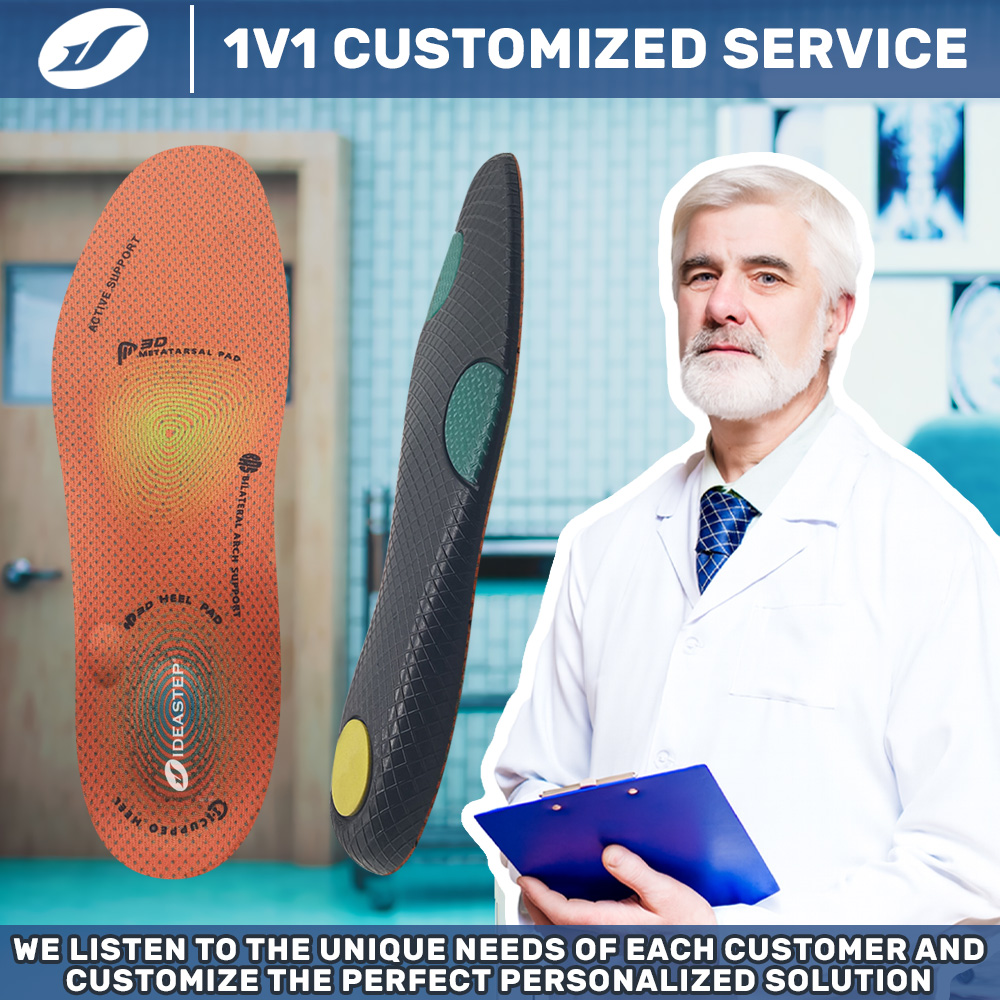
How to Evaluate a Custom Orthotic Insole Manufacturer
A manufacturer’s suitability should be assessed against the technical and commercial demands of the project, not simply its product catalog or quoted price.
Several areas deserve attention during supplier evaluation:
- Material knowledge: The supplier can explain the differences between relevant materials and recommend options based on documented requirements.
- Development capability: The team can interpret drawings, reference samples, and dimensional specifications, then make controlled revisions where needed.
- Production process: Available equipment and assembly methods match the proposed insole construction and expected order volume.
- Quality procedures: Inspection criteria, sample approval records, and batch controls are defined rather than handled informally.
- Order management: The supplier can clarify MOQ, size allocation, packaging, lead time, and the handling of specification changes.
- Communication: Technical questions receive specific answers, and revisions are recorded so that both parties work from the same information.
Sample evaluation remains an important part of this process. Buyers should compare the delivered sample with the agreed requirements and confirm whether the manufacturer can reproduce the approved design consistently at the expected volume.
A competitive quotation is useful only when its scope is clear. Differences in material grade, construction, inspection, packaging, or delivery terms can make two apparently similar offers difficult to compare. Evaluating these details alongside unit price provides a more reliable basis for supplier selection.
Discuss Your Custom Orthotic Insole Project
A well-defined product brief helps turn an initial inquiry into a workable wholesale project. Buyers preparing a new insole program should share the intended application, target size range, preferred materials, structural requirements, estimated order quantity, and any available drawings or reference samples.
Ideastep works with business customers on orthotic insole and related EVA product requirements. To discuss a project, review technical details, or request information about supply options, visit the Ideastep contact page.
Providing clear requirements at the outset helps establish a realistic development scope, identify the appropriate construction, and prepare for sample approval and bulk production.
Related Reading: Semi-Custom Orthotic Insoles: A Flexible Solution for Footwear Brands and Distributors.