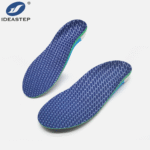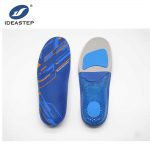
Achilles Tendonitis Insoles: Materials, Design & OEM/ODM Development Guide
In the insoles OEM industry, functional insoles for Achilles Tendonitis have consistently been a stable and growing segment. Especially in running shoes, rehabilitation shoes, and long-standing work environments, the demand for “heel pressure relief + foot support” is becoming increasingly clear.
For brands and wholesale buyers, these products are not just about comfort—they represent a high repurchase rate and premium functional category.

1. What is Achilles Tendonitis and Why Insole Design Matters
Achilles Tendonitis usually occurs due to prolonged running, standing, or uneven foot load. The core issue is that the Achilles tendon is continuously overstretched.
In product development, one key insight is: the problem is not just pain, but abnormal gait force lines.
Therefore, the goal of insole design is not simply “softness,” but to:
- Reduce Achilles tendon tension
- Adjust heel angle and load
- Improve overall gait stability
This is why ordinary comfort insoles cannot effectively solve the problem.
2. Core Structural Design of Achilles Tendonitis Insoles
In OEM development, Achilles Tendonitis insoles are typically designed around three core structural elements:
2.1 Heel Lift Structure
The heel lift is the most direct factor affecting Achilles tendon pressure.
During development, it is usually controlled between 5–15mm:
- 5–8mm: for running shoes, to avoid changing running gait
- 8–12mm: for daily pressure relief
- 12–15mm: for rehabilitation and medical use
It’s important to note that higher lift is not always better. Heel lift must be combined with arch support; otherwise, it can increase forefoot pressure.
2.2 Arch Support System
Arch support’s main function is to redistribute impact forces.
In practical design, we classify feet as:
- High arches: softer support to avoid discomfort
- Flat feet: stronger support to correct pronation
- Normal arches: moderate support is sufficient
The key is dynamic fit, not rigid structure.
2.3 Cushioning and Energy Return System
Material choice directly affects performance and cost:
- EVA: lightweight and low cost, suitable for mass-market OEM products
- PU: stable rebound, used in mid-to-high-end sports insoles
- PORON/GEL: high-end or medical-grade, enhances shock absorption
Common practical structure: EVA base + PU or Gel cushioning. This balances cost and performance.
2.4 Stability Control Structure
Stability features are designed to:
- Prevent excessive pronation or supination
- Improve walking stability for long durations
- Reduce repeated strain on the Achilles tendon
Typical implementations include:
- TPU stabilizing plates
- Deeper heel cups
- Enhanced arch support structures
3. Market Segmentation of Achilles Tendonitis Insoles
In B2B procurement, products are generally segmented into three categories:
3.1 Orthopedic / Medical Insoles
- Targeted at rehabilitation markets
- Focus on corrective structures
- Customizable for different foot shapes
- Applicable in clinics and therapy centers
3.2 Sports Functional Insoles
- For running, gym, basketball, and other sports
- High rebound materials
- Lightweight design
- Focus on protection rather than correction
3.3 Daily Comfort Insoles
- Designed for long-standing workers (factory, retail, healthcare)
- Comfort-focused
- Cost-effective
- Stable bulk order demand
4. OEM/ODM Development Process & Key Buyer Considerations
For brand customers, choosing a supplier is more about development and mass production capabilities than just product type.
4.1 Development Lead Time
- Sample confirmation: 15–25 days
- Mass production: 30–45 days
4.2 Minimum Order Quantity (MOQ)
- Standard products: 500–1000 pairs
- Custom molded products: 1000–3000 pairs
4.3 Material & Mold Capability
Top suppliers usually provide:
- Multi-material processing (EVA, PU, TPU)
- Independent mold development
- Arch structure engineering design experience
4.4 Cross-Border E-Commerce Support
For Amazon / Shopify clients, additional capabilities include:
-
- Custom packaging design
- Barcode and labeling support
- Flexible small-batch replenishment
5. Industry Trends in Functional Insoles
5.1 Medical-Sports Integration
The line between rehabilitation and sports insoles is becoming blurred.
5.2 Smart Insoles
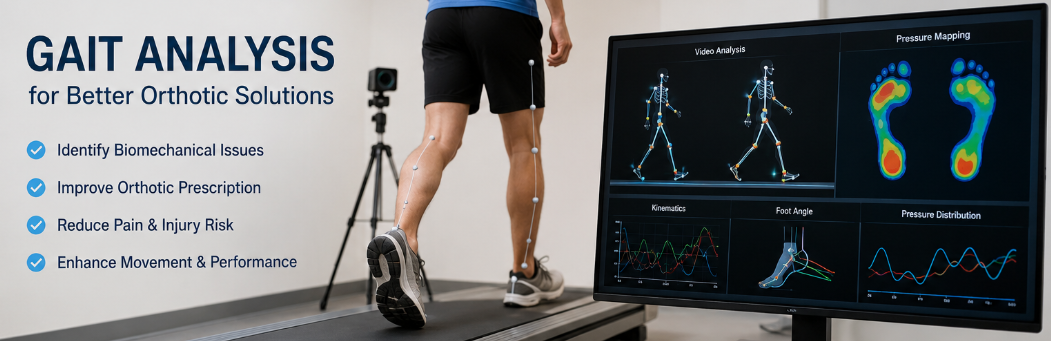
Pressure sensors and gait data analysis are entering high-end markets.
5.3 Eco-Friendly Materials
Recyclable EVA and bio-based materials are emerging as new trends.
6. Conclusion: Why Achilles Tendonitis Insoles Are High-Potential OEM Products
Achilles Tendonitis insoles are more than just a functional product—they are a “high repurchase + high customization + high value-added” market segment.
For B2B clients, the real competitive advantage lies in:
- Structural design capability
- Stable material performance control
- Brand customization and scalable production
Suppliers with strong R&D and OEM capabilities are more likely to secure long-term brand cooperation.