Why Footwear Brands and Podiatry Clinics Need Soft Orthotic Insoles
In modern footwear manufacturing and foot health services, comfort has become a key factor in user experience. Whether for footwear brands or podiatry clinics, the focus is no longer limited to protection alone, but also long-term comfort and functional support.
For people who stand or walk for long hours, pressure gradually builds up in the feet, often leading to fatigue, heel pain, collapsed arches, and even knee or lower back discomfort.
Instant custom soft orthotic insoles are designed to address these challenges by providing fast, personalized cushioning and support solutions. They help improve foot biomechanics, enhance comfort, and add professional value to both footwear products and clinical services.
Key Performance Requirements of Soft Orthotic Insoles
Material Selection: The Foundation of Performance
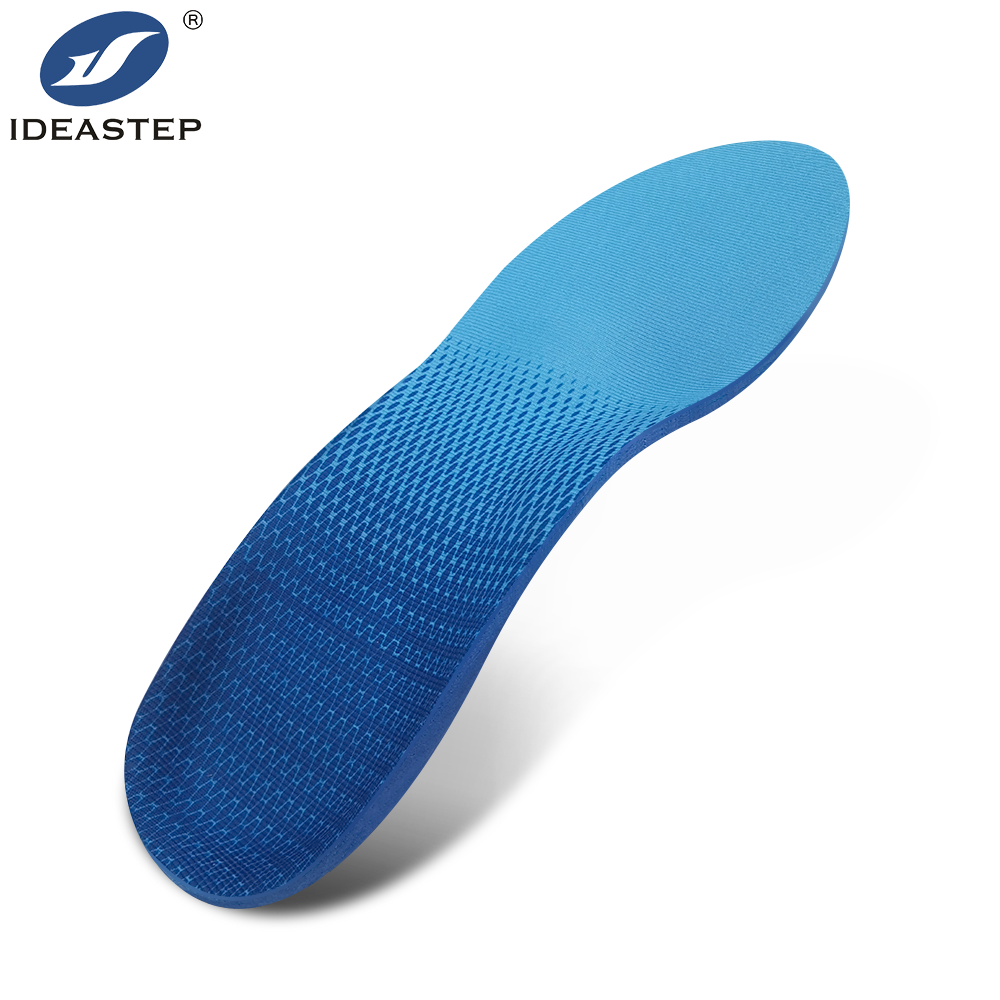
Soft orthotic insoles are typically made from a combination of materials to balance comfort, durability, and support.
- EVA Foam (Ethylene Vinyl Acetate): Lightweight, cost-effective, and easy to mold. Typical density ranges from 0.15–0.25 g/cm³, making it ideal for OEM mass production.
- PU Foam (Polyurethane): Offers superior resilience and long-term compression resistance, commonly used in mid-to-high-end footwear products.
- Memory Foam: Adapts to the foot shape for enhanced initial comfort and pressure relief.
- Gel Materials: Commonly used in heel and forefoot areas to absorb high-impact pressure.
The combination of these materials directly affects comfort, durability, and functional performance.
Cushioning and Pressure Distribution
High-quality soft orthotic insoles are designed based on ergonomic principles to evenly distribute plantar pressure.
They help to:
- Absorb repeated impact during walking or standing
- Reduce accumulated foot fatigue over long working hours
- Improve overall walking stability and comfort
This is especially important in industrial, retail, and service environments where users remain on their feet for extended periods.
Arch Support and Biomechanical Alignment
Arch support is one of the core functions of orthotic insoles.
Different foot conditions such as flat feet, high arches, or overpronation require different levels of structural support.
Proper arch support helps to:
- Improve foot alignment
- Optimize load distribution across the lower limbs
- Reduce long-term strain and injury risk
From a biomechanical perspective, effective arch support contributes to better overall posture and gait efficiency.
Breathability and Antimicrobial Protection
Long-term wear requires good ventilation and hygiene performance.
Common solutions include:
- Open-cell EVA structures for airflow
- Moisture-wicking top covers
- Silver-ion antimicrobial coatings
- Activated carbon odor control layers
These features ensure dryness, comfort, and improved hygiene, especially in clinical and high-performance footwear applications.
Industry Applications: Footwear Brands vs. Clinics
Footwear Brands
For sports, casual, and work footwear brands, soft orthotic insoles are a powerful way to enhance product value and differentiation.
Through OEM/ODM customization, brands can:
- Improve footwear comfort positioning
- Increase product value and retail competitiveness
- Develop functional performance as a brand selling point
Custom orthotic OEM/ODM solutions allow brands to quickly adapt to different market segments and consumer needs.
Podiatry Clinics and Medical Centers
In clinical environments, instant custom insoles significantly improve treatment efficiency and patient experience.
Typical applications include:
- Immediate insole fitting after foot pressure assessment
- Personalized correction for biomechanical imbalances
- Support during rehabilitation phases
Compared to traditional long-cycle customization, instant solutions provide faster turnaround and improved patient satisfaction.
Retail and Wholesale Channels
For distributors and wholesalers, the main requirements are speed, consistency, and scalability.
This includes:
- Fast market response capability
- Multi-size standardized production
- Stable large-volume supply
Instant Customization Process and Technology
Foot Data Collection
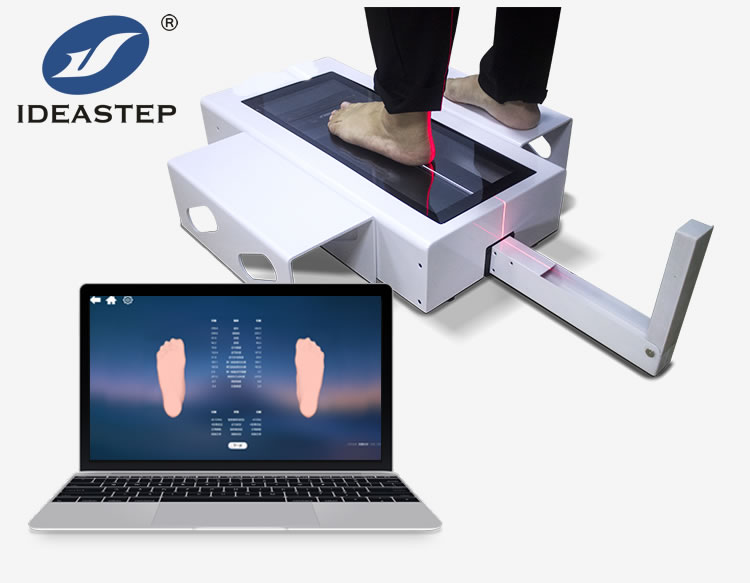
3D foot scanning and plantar pressure analysis are used to capture precise foot structure data for accurate insole design.
Rapid Design and Prototyping
Based on collected data, digital models are created and prototypes are produced quickly to validate comfort and support performance.
Mass Production and Standardized Delivery
Once approved, production moves into scaling stage with support for:
- EU, US, and UK sizing systems
- Multiple footwear types and applications
- Stable material batch control and quality consistency
OEM / ODM Customization Capabilities
Brand Customization
- Logo printing and branding
- Color customization
- Private label packaging solutions
Functional Customization
- Arch height adjustment
- Targeted cushioning zones
- Material combination design
Quality and Certification Systems
Professional manufacturers typically comply with international standards such as:
- ISO 9001 Quality Management System
- REACH environmental compliance
- RoHS compliance standards
These certifications ensure product consistency and market access in Europe and North America.
Industry Trends in Soft Orthotic Insoles
- Personalized, data-driven insole customization
- Lightweight material innovation
- Digital foot analysis and biomechanical modeling
- Smart insoles with pressure and gait tracking capabilities
These developments are transforming insoles from simple accessories into functional performance components.
Conclusion
Instant custom soft orthotic insoles are becoming an essential solution for both footwear brands and podiatry clinics.
They improve comfort, support foot health, and help brands build stronger product differentiation in competitive markets.
For companies aiming to upgrade their footwear offerings or clinical services, partnering with an experienced OEM/ODM insole manufacturer is a key step toward scalable, high-quality customization.
Contact us today to request samples and discuss your custom insole solutions for footwear brands or clinical applications.