Children’s feet are in a continuous stage of development. During growth, the bone structure, muscle control, and gait patterns are still forming and adapting. At this stage, even subtle biomechanical imbalances may influence long-term walking posture and lower limb alignment.
In clinical practice and the footwear industry, pediatric orthotic insoles are commonly used as supportive tools to help improve gait stability and provide a more balanced pressure distribution during walking.
1. Characteristics of Pediatric Foot Development and Common Conditions
From an anatomical perspective, children’s feet differ significantly from adults, especially before the arch structure is fully developed. The soft tissue and fat pads make early assessment more complex.
1.1 Natural Development of the Arch
The foot arch typically develops between 6 and 12 years of age. Before this stage, the presence of a fat pad may mask early signs of flat feet, making observation less straightforward.
1.2 Common Pediatric Foot Conditions
- Flat feet or low arches
- In-toeing or out-toeing gait patterns
- Mild overpronation or supination
- Fatigue or discomfort after prolonged walking
1.3 Potential Long-Term Effects
If gait imbalances persist over time, some children may experience:
- Lower limb misalignment
- Uneven knee loading
- Reduced movement coordination
- Increased fatigue during physical activities
2. What Are Pediatric Orthotic Insoles?
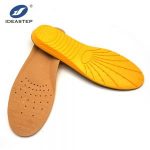
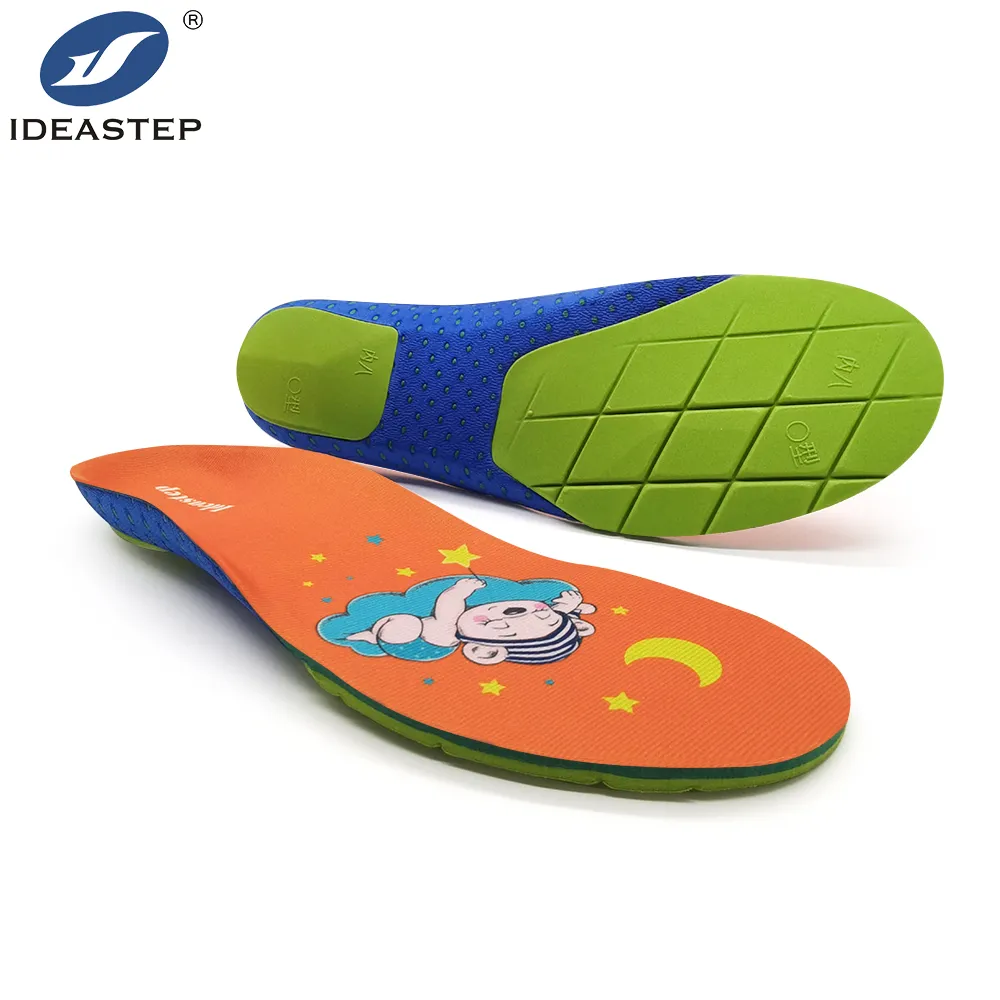
Pediatric orthotic insoles are functional inserts designed based on foot biomechanics. Unlike standard comfort insoles, their purpose is not only cushioning but also guiding foot pressure distribution and improving gait stability during walking.
2.1 Structural Composition
- Arch support structure
- Cushioning layer for impact absorption
- Stability control layer (anti-torsion design)
- Comfort top cover layer
2.2 Difference from Regular Insoles
Regular insoles focus primarily on comfort, while orthotic insoles emphasize:
- Gait stability improvement
- Plantar pressure redistribution
- Structural foot support
- Functional biomechanical guidance
3. How Pediatric Orthotic Insoles Work in Practice
In real-world applications, pediatric orthotic insoles function by influencing how pressure is distributed across the foot during movement, thereby supporting more stable gait mechanics.
3.1 Arch Support and Pressure Redistribution
By supporting the medial arch, insoles help reduce excessive localized pressure and promote a more even load distribution across the plantar surface.
3.2 Gait Alignment and Postural Control
During walking, the insole structure may assist in guiding foot positioning, contributing to improved lower limb alignment and overall posture stability.
3.3 Fatigue and Impact Reduction
For active children, properly designed insoles may help reduce foot fatigue and repetitive impact stress during daily activities or sports.
In many clinical and practical applications, these products are considered supportive tools rather than standalone corrective treatments.
4. Key Technical Factors in Custom Pediatric Orthotic Insoles
For brands, clinics, and footwear manufacturers, the value of pediatric orthotic insoles largely depends on customization capability and manufacturing consistency.
4.1 Digital Foot Data Modeling
3D scanning and pressure mapping technologies allow collection of key parameters such as foot length, width, and arch height for precise structural design.
4.2 Multi-Material Engineering
Common materials include:
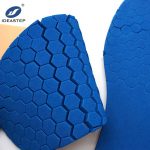
- EVA for lightweight cushioning
- PU for structural stability
- TPU reinforcement for anti-torsion control
4.3 Age-Based Design Strategy
- Toddlers: soft and adaptive support
- School-age children: moderate structural reinforcement
- Teenagers: enhanced stability and motion control
4.4 OEM/ODM Development Workflow
Typical workflow includes requirement analysis, structural design, prototyping, testing, mass production, and quality control.
5. Why B2B Buyers Focus on Pediatric Orthotic Insole Suppliers
Demand for pediatric foot health products has been steadily increasing, particularly in medical and functional footwear sectors.
5.1 Podiatry Clinics and Medical Channels
Clinics require consistent product performance and repeatable manufacturing quality for long-term patient use.
5.2 Footwear and Sports Brands
Brands often look for:
- Integrated product development capability
- Compatibility with footwear structures
- Scalable production capacity
5.3 Key Requirements in Bulk Procurement
- Product consistency across batches
- Stable delivery timelines
- Efficient cost and development control
6. Application Scenarios of Pediatric Orthotic Insoles
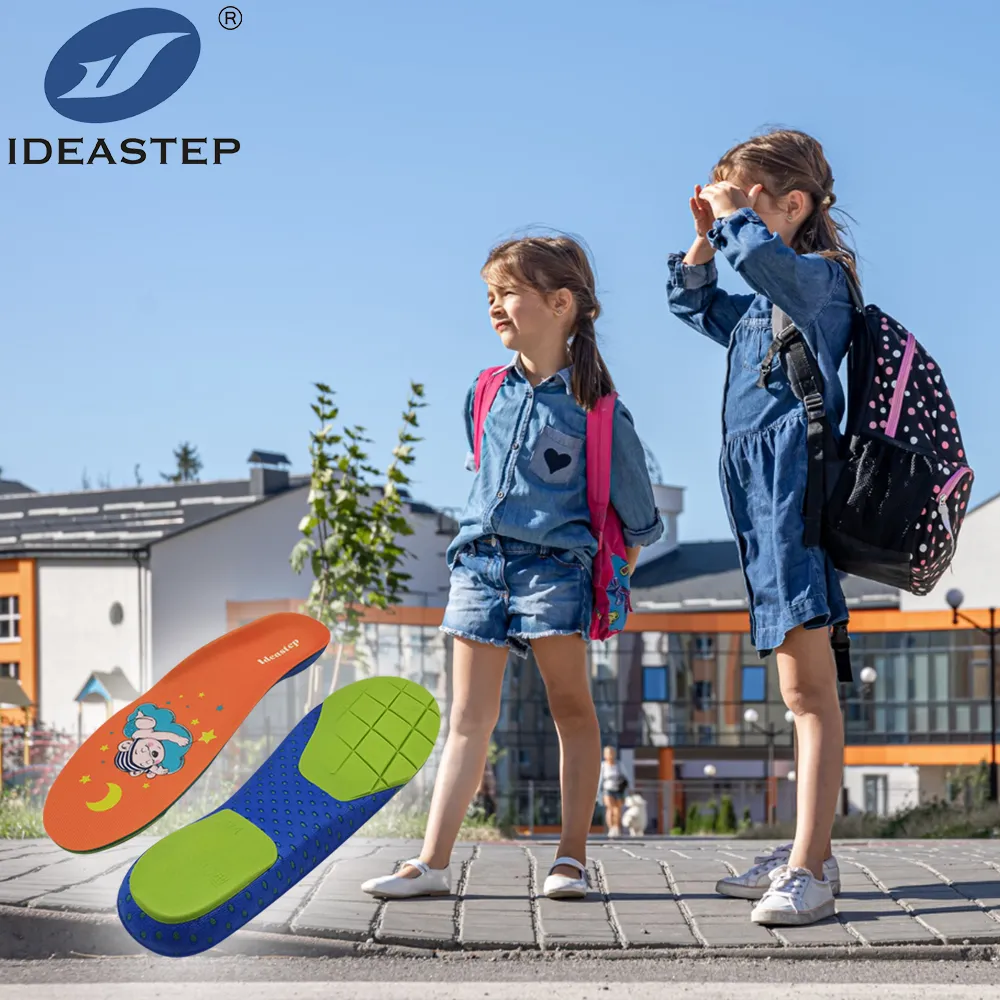
6.1 Daily School Wear
Used in everyday footwear to provide continuous gait support during growth.
6.2 Sports and Physical Activity
Helps reduce foot fatigue and impact stress during running, football, and other sports.
6.3 Rehabilitation and Support Use
In some clinical settings, insoles are used as part of broader foot care or rehabilitation programs.
7. How to Choose a Reliable OEM/ODM Orthotic Insole Manufacturer
7.1 R&D and Structural Design Capability
The ability to design customized foot support structures is a key qualification.
7.2 Sample Development Efficiency
Fast prototyping and adjustment cycles significantly improve project turnaround.
7.3 Mass Production Stability
For long-term cooperation, consistency across large production batches is essential.
7.4 International Market Experience
Experience in European and North American markets ensures compliance with industry expectations and standards.
8. Conclusion
Pediatric orthotic insoles play a supportive role in improving foot biomechanics and gait stability during a critical stage of growth. Rather than acting as a standalone corrective device, they are typically used as part of a broader approach to support healthy foot development.
From a supply chain perspective, increasing awareness of pediatric foot health continues to drive demand for customized, high-quality orthotic insole solutions worldwide.
B2B Cooperation
If you are looking for a reliable OEM/ODM pediatric orthotic insole manufacturer, we provide:
- Custom structural design and product development
- Multi-material solutions (EVA / PU / TPU)
- Stable mass production capability
- Export-ready solutions for global markets
Feel free to contact us for samples and customized project discussions.