Introduction: There Is No Single “Best” Midsole Material
In footwear and orthotic insole manufacturing, EVA, PU, and other foam materials are not competing in a simple “better or worse” way. Each material serves a different functional role depending on product design, usage intensity, and market positioning.
For B2B buyers, midsole selection is a system decision. Performance is determined more by material structure and application scenario than by any single foam type.
In practice, the same material can perform very differently depending on density, layering, and how it is combined with other components.
What Is a Midsole and Why It Matters in Footwear Design
Structural Position
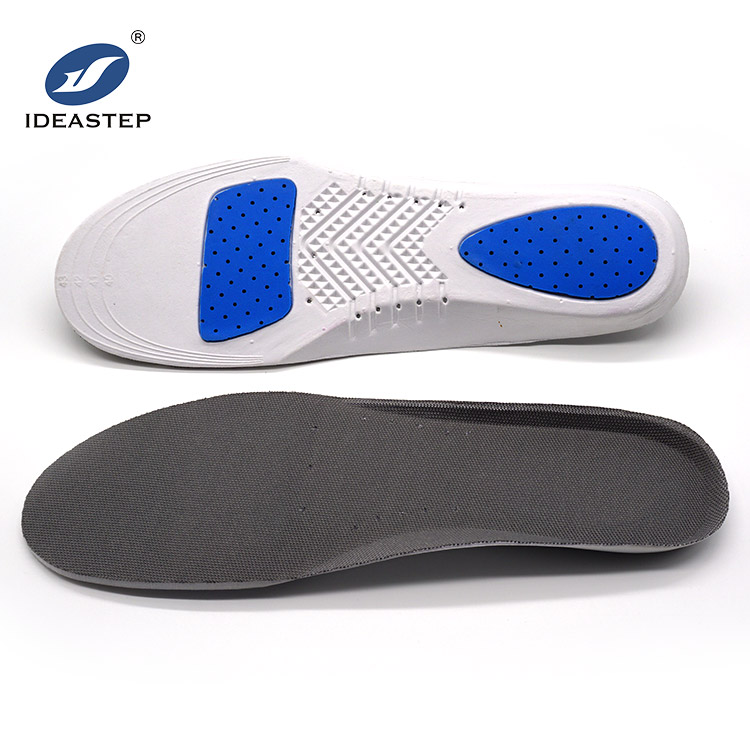
The midsole sits between the outsole (ground contact layer) and the insole (foot contact layer). It is the primary functional layer responsible for cushioning and impact management.
Functional Role
- Impact absorption during walking and running
- Energy return and rebound control
- Foot stability and motion guidance
- Fatigue reduction during long-term wear
Because of these functions, midsole material selection directly defines product category and performance level.
EVA Midsole: Lightweight and Cost-Oriented Cushioning
Material Characteristics
EVA (Ethylene Vinyl Acetate) is a closed-cell foam widely used in footwear midsoles due to its lightweight structure and easy processing.
Performance Profile
- Low density structure reduces overall shoe weight
- Soft initial cushioning improves first-step comfort
- Highly suitable for large-scale OEM production
- Cost-efficient for mass-market positioning
Performance Limitations
- Compression set becomes noticeable after extended use
- Cushioning performance declines over time
- Limited structural support capability
Typical Applications
- Daily comfort footwear
- Entry-level sports shoes
- Cost-sensitive OEM product programs
PU Midsole: Stability and Long-Term Performance
Material Characteristics
PU (Polyurethane) is a higher-performance foam material designed for improved durability, resilience, and structural stability under repeated load.
Performance Profile
- Maintains cushioning stability under long-term use
- Stronger rebound consistency compared to EVA
- Higher resistance to compression fatigue
- Suitable for continuous walking or standing environments
Trade-Offs
- Higher material and production cost
- More complex processing requirements
- Slightly heavier depending on formulation
Typical Applications
- Medical-grade orthotic insoles
- High-performance athletic footwear
- Industrial safety and work footwear

Other Midsole Materials in Modern Footwear Systems
TPU (Thermoplastic Polyurethane)
TPU is a structural elastic material used when higher durability and support are required. It is often applied in reinforcement layers rather than full midsoles due to stiffness and cost considerations.
E-TPU (Expanded TPU)
E-TPU is a high-energy return material used in premium performance footwear. It delivers excellent rebound efficiency but is positioned in the high-cost segment.
EVA + PU Hybrid Systems
In many OEM designs, EVA and PU are combined in layered structures. EVA is used for lightweight cushioning, while PU provides long-term stability and structural support.
This hybrid approach is now widely adopted because it offers a more balanced performance-to-cost ratio than single-material systems.
Performance Comparison: EVA vs PU vs Advanced Materials
Cushioning Behavior
EVA provides soft initial cushioning but loses performance with extended use. PU maintains more stable cushioning behavior under repeated loading. E-TPU delivers the highest rebound efficiency but is limited to premium applications.
Durability Performance
EVA is suitable for short to medium lifecycle products. PU provides significantly better resistance to compression fatigue. TPU-based systems offer the highest structural stability.
Weight Characteristics
EVA is the lightest option and widely used in lightweight footwear. PU is moderately heavier but more stable in long-term use. TPU and E-TPU vary depending on density design.
Cost Structure
EVA remains the most cost-efficient solution. PU is positioned in the mid-to-high cost range. E-TPU and advanced TPU systems are premium materials used in high-performance segments.
Application Positioning
- EVA: cost-driven, mass-market footwear
- PU: performance-driven, professional and medical applications
- TPU / E-TPU: performance-driven, high-end sports footwear
How Midsole Materials Are Applied in Orthotic Insoles
EVA in Orthotic Systems
EVA is commonly used as a cushioning or base layer in orthotic insoles. It helps reduce product cost while providing basic shock absorption for daily use.
PU in Orthotic Systems
PU is used in higher-grade orthotic structures where long-term stability and consistent biomechanical support are required under repeated stress conditions.
B2B Material Selection Framework
1. Define Application Scenario
- Medical vs sports vs industrial vs consumer footwear
- Load intensity and usage duration
2. Prioritize Performance Requirements
- Cushioning comfort
- Long-term durability
- Structural support
- Cost efficiency
3. Evaluate Material Systems Instead of Single Materials
In OEM development, performance consistency is determined by system design rather than individual material selection.
4. Assess OEM/ODM Engineering Capability
- Density and hardness control
- Multi-layer structural design
- Material bonding technology
- Application-specific customization capability
Industry Trend: From Single Materials to Engineered Midsole Systems
Single-material midsoles are no longer sufficient to meet diversified market demands. Different users require different combinations of cushioning, stability, and durability within the same product category.
As a result, engineered systems are becoming standard practice in modern footwear design:
- Multi-density EVA structures for cost-performance balance
- PU core systems for stability and long-term use
- TPU reinforcement layers for structural control
This shift reflects a clear industry direction: performance is defined by structure, not material alone.
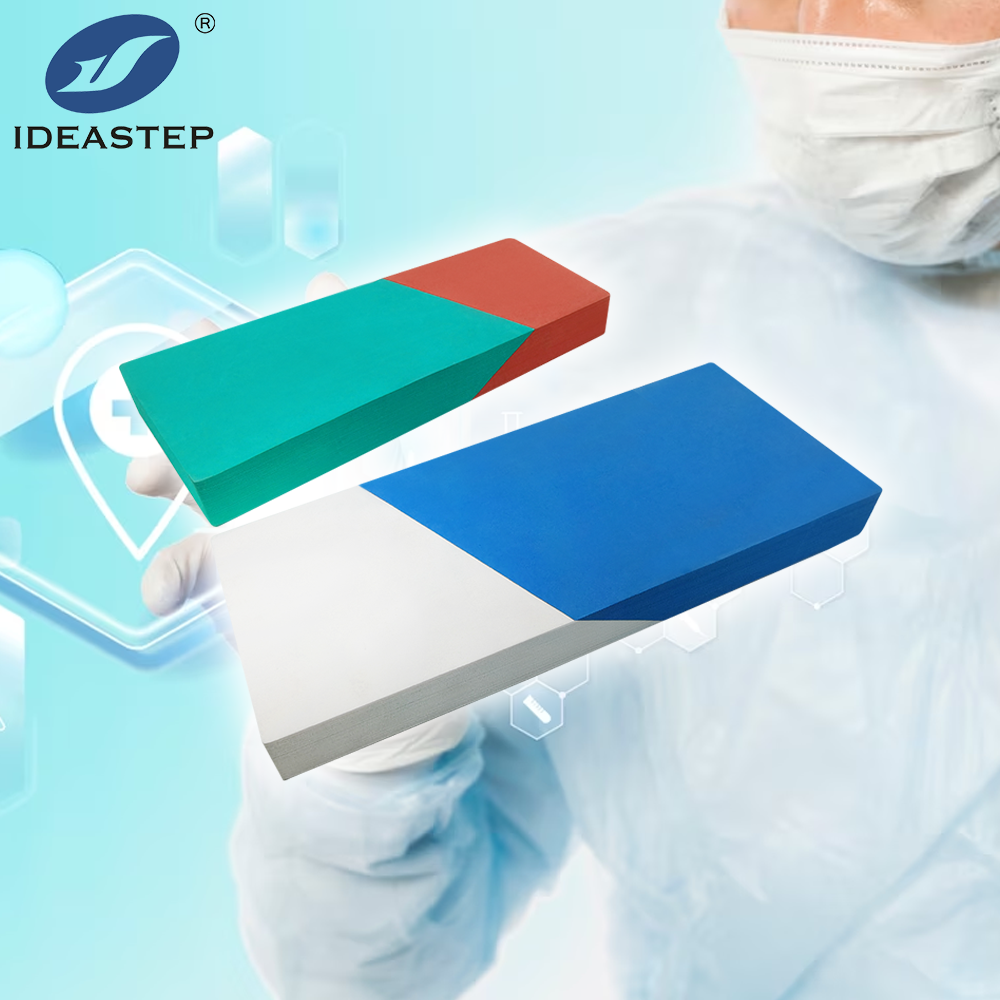
Conclusion: Material Choice Should Follow Application Requirements
EVA, PU, and advanced foam materials are not direct competitors. They serve different functional roles within footwear and orthotic systems.
EVA is suitable for lightweight and cost-sensitive applications. PU is better suited for long-term performance and professional use. TPU-based materials are reserved for high-performance systems.
For B2B buyers, the key decision is not which material is “best,” but which material system best matches the product’s target market and lifecycle requirements.
In most successful OEM projects, performance is achieved through material combination and structural engineering rather than single-material selection.
Related Post: What is the benefit of EVA midsole?.