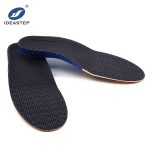
Independent cobblers, small shoe repair shops, and bespoke footwear studios across Europe face unique hurdles when stocking orthopaedic insoles. Unlike large-scale footwear factories that process high-volume bulk orders, most local workshops run on flexible, small-batch schedules, with limited storage space and highly customised customer demands. This makes low MOQ bulk orthopaedic insoles a practical, cost-effective solution to balance inventory costs, diversify service offerings, and maintain steady daily operations.
That said, low MOQ sourcing comes with well-known industry pitfalls, including inconsistent batch quality, marked-up small-order pricing, delayed shipments, and compromised material compliance from unreliable suppliers. This hands-on guide shares actionable sourcing tips built for European cobblers, helping you secure premium bulk orthotic insoles while minimising risks and improving profit margins.
Why Low MOQ Bulk Orders Suit European Cobbler Workshops
Europe’s orthopaedic footwear aftermarket thrives on personalised, small-scale services. Most local cobblers focus on shoe refurbishment, insole replacement, custom orthotic upgrades, and bespoke modifications, rather than mass manufacturing. In this business model, traditional high-MOQ bulk purchasing is simply impractical and inefficient.
Purchasing large inventories ties up working capital and wastes valuable storage space, while limited product ranges fail to cover diverse customer needs — from basic daily comfort upgrades to mild foot correction and post-rehabilitation support. Low MOQ bulk sourcing solves these pain points perfectly, allowing small workshops to access genuine factory wholesale pricing, test new insole styles, and stock a diverse range of materials without overstocking.
Key Low MOQ Sourcing Tips for Quality Bulk Orthopaedic Insoles
1. Prioritise Suppliers With True Small-Batch Production Capacity
Many footwear component suppliers advertise flexible low MOQ policies, yet treat small orders as secondary priorities. Some suppliers combine small-batch orders with leftover stock, resulting in inconsistent thickness, uneven lamination, and outdated material batches. This creates noticeable quality discrepancies compared to standard large-batch products, which can hurt your finished footwear quality and customer satisfaction.
Trusted manufacturers maintain dedicated small-batch production workflows and unified quality control standards for every order, regardless of order size. When sourcing insoles, always confirm that your supplier offers independent small-batch scheduling, complete batch inspection documentation, and consistent raw material formulations for low-volume purchases.
2. Verify EU Compliance Even for Small Orders
A common oversight among European cobblers is skipping compliance verification for low MOQ orders. Many budget small-batch insoles use unvetted raw materials that fail to meet EU REACH and regional footwear safety regulations. While these low-cost options seem appealing upfront, they carry substantial risks, including customer skin irritation, official market penalties, and long-term damage to your workshop’s reputation.
Reputable orthopaedic insole suppliers uphold full EU compliance for every production batch, whether large or small. Always request official material test reports to confirm the absence of restricted chemicals, ensuring all your repaired and custom footwear meets local market safety standards.
3. Choose Mixed Batch Sourcing to Enrich Product Lines
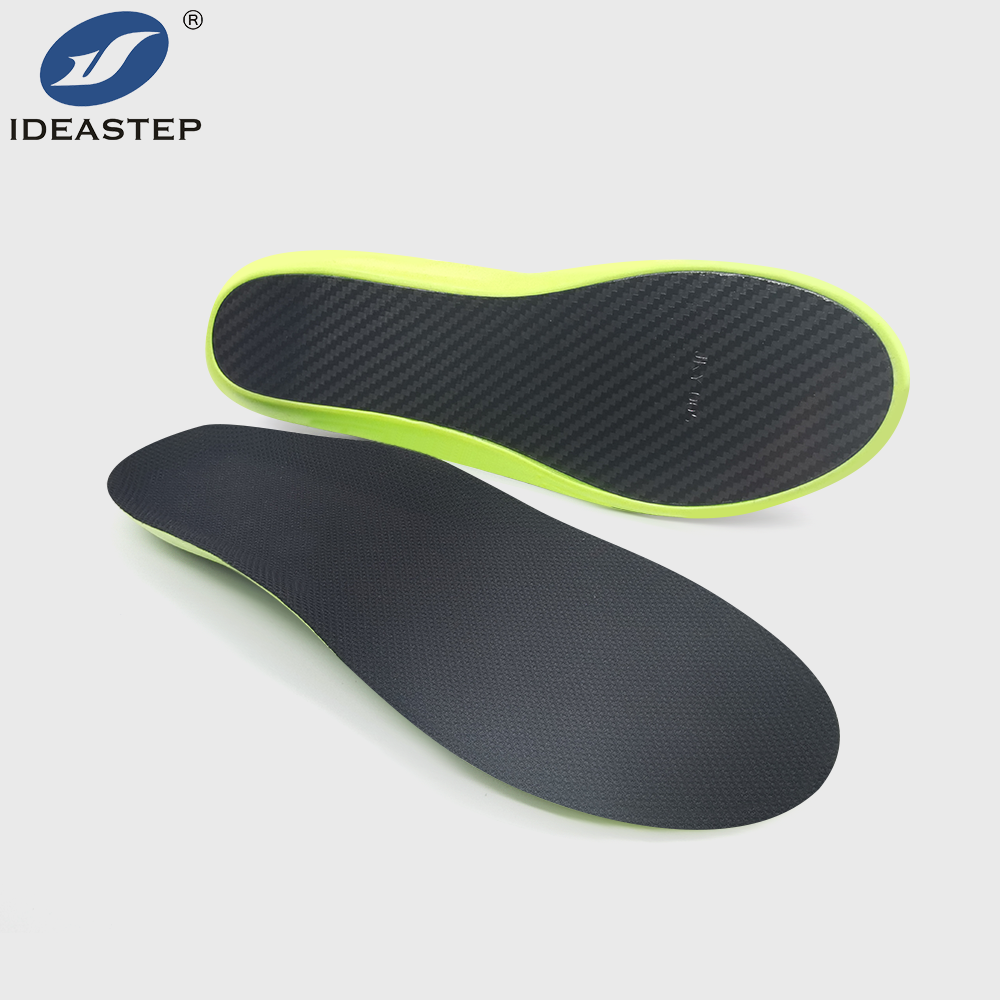
European cobbler workshops routinely handle a wide variety of customer requests, requiring multiple insole types for different applications. This includes soft EVA insoles for everyday comfort repairs, rigid composite insoles for therapeutic correction, and durable leatherboard base insoles for high-end bespoke footwear projects.
Rather than placing multiple separate small orders for each style, partner with suppliers that support mixed low MOQ bulk shipments. Combining different materials, thicknesses, and functional insole types in a single order streamlines your procurement process, reduces overall shipping costs, and lets you cover all mainstream service needs with minimal inventory pressure.
4. Always Test Samples Before Scaling Small-Batch Orders
Sample validation is the most reliable way to avoid substandard small-batch inventory. Many suppliers deliver flawless pre-production samples but cut corners during formal low-volume manufacturing, resulting in weak edge adhesion, inconsistent foam density, and poor surface fabric bonding.
Establish a standard sourcing routine: first evaluate samples for material texture, support firmness, edge craftsmanship, and overall fitting performance. Once the sample meets your quality standards, place a trial low MOQ bulk order to verify batch consistency before building long-term supplier partnerships.
5. Compare Total Cost, Not Just Unit Price
Many low MOQ orders feature deceptive low unit prices that hide additional hidden fees, such as small-order service surcharges, split shipping costs, and expedited delivery premiums. Some suppliers also use minimal packaging for small batches, leading to deformed or damaged insoles during transit and unnecessary material waste.
Experienced cobblers calculate total landed costs instead of focusing solely on individual unit pricing. A slightly higher unit price paired with consolidated free shipping, standard protective packaging, and consistent batch quality always delivers superior long-term value compared to risky ultra-low-cost small-batch inventory.
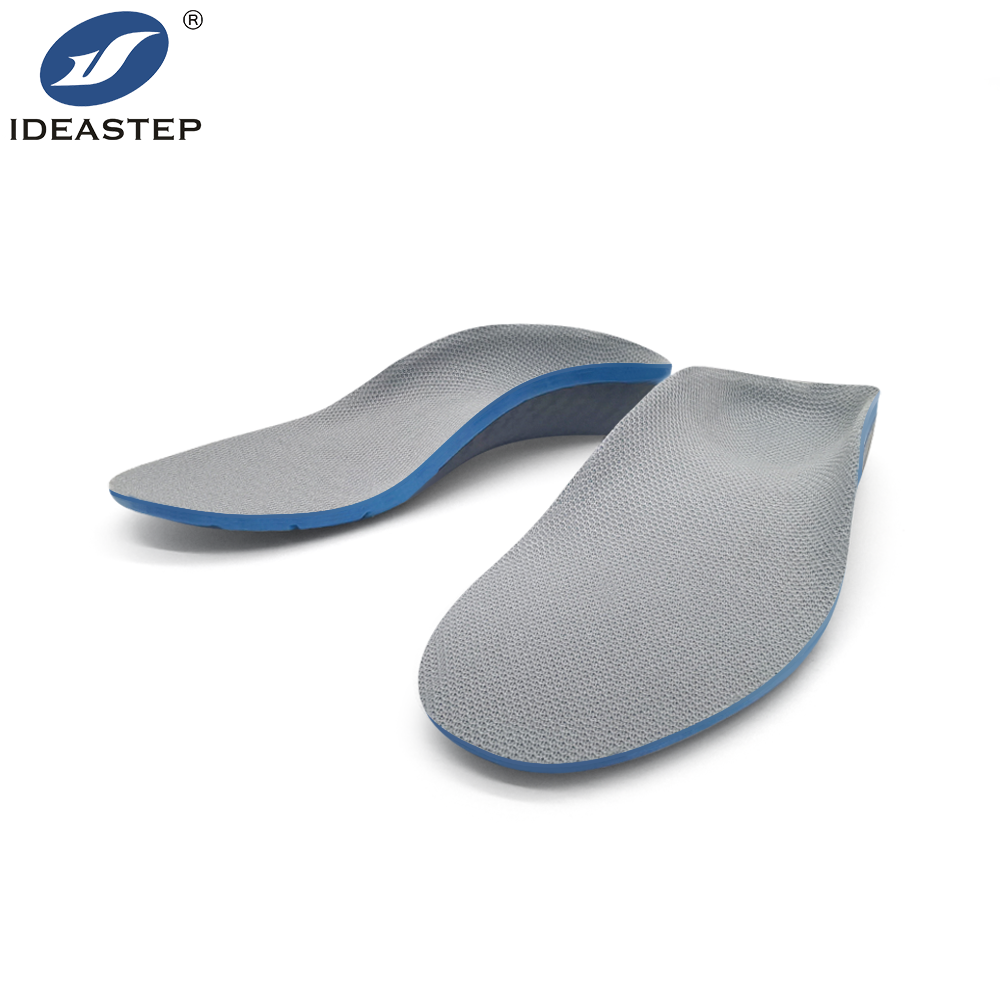
Common Low MOQ Sourcing Pitfalls to Avoid
- Chasing rock-bottom pricing: Abnormally inexpensive low MOQ insoles are typically manufactured with recycled or low-grade materials, prone to rapid deformation, weakened support, and recurring customer complaints.
- Overlooking batch consistency: Unprofessional suppliers frequently adjust raw material formulas for small orders, creating inconsistent softness, rigidity, and support between new and existing stock.
- Limiting custom flexibility: Most generic low MOQ bulk insoles only offer fixed sizes and thicknesses, leaving no room for the tailored trimming and custom modifications essential for bespoke cobbler services.
Best Low MOQ Inventory Strategy for European Cobblers
For most independent European workshops, flexible layered stocking is the most practical inventory strategy. Maintain small low MOQ stock of basic EVA insoles for routine repair work, medium-volume composite insoles for corrective orthotic upgrades, and limited premium leatherboard insoles for high-end bespoke footwear projects.
This balanced approach optimises capital expenditure, reduces storage pressure, and diversifies your service range. It allows your workshop to cater to budget-focused repair clients and premium custom footwear customers alike, maximising overall profitability and market adaptability.
Final Thoughts
Low MOQ bulk orthopaedic insole sourcing is an ideal supply chain solution for small-scale European cobblers and bespoke footwear workshops. It eliminates the overstocking risks associated with large-batch orders and resolves the high-cost inefficiencies of small-quantity retail purchases.
Successful low-volume sourcing does not depend on securing the lowest possible price. It relies on partnering with stable, EU-compliant, and flexible suppliers that deliver uniform quality for every batch, big or small. Strategic small-batch procurement empowers local cobblers to elevate service quality, expand product options, and build a stronger competitive edge in the local footwear industry.
If you run a European cobbler shop or small footwear workshop in need of reliable low MOQ bulk orthopaedic insoles, we provide EU-compliant mixed-batch inventory, consistent small-batch quality control, and flexible custom cutting services to support your daily repairs and bespoke footwear projects.
Related Reading:
EVA & Composite Orthotic Insoles: Which Is Better for Mass Production?
Best Insoles for High Arches and Standing All Day