In everyday footwear production, EVA foam shoe inserts are not chosen because they are “soft” or “comfortable” in theory. They are chosen because they solve a practical problem: most standard shoes cannot maintain consistent cushioning performance throughout a full day of walking and standing.
For footwear brands, distributors, and OEM factories, EVA foam insoles remain one of the most stable base materials for balancing comfort, cost, and mass production efficiency.
1. Why EVA Foam Is Still the Most Common Choice in Everyday Footwear
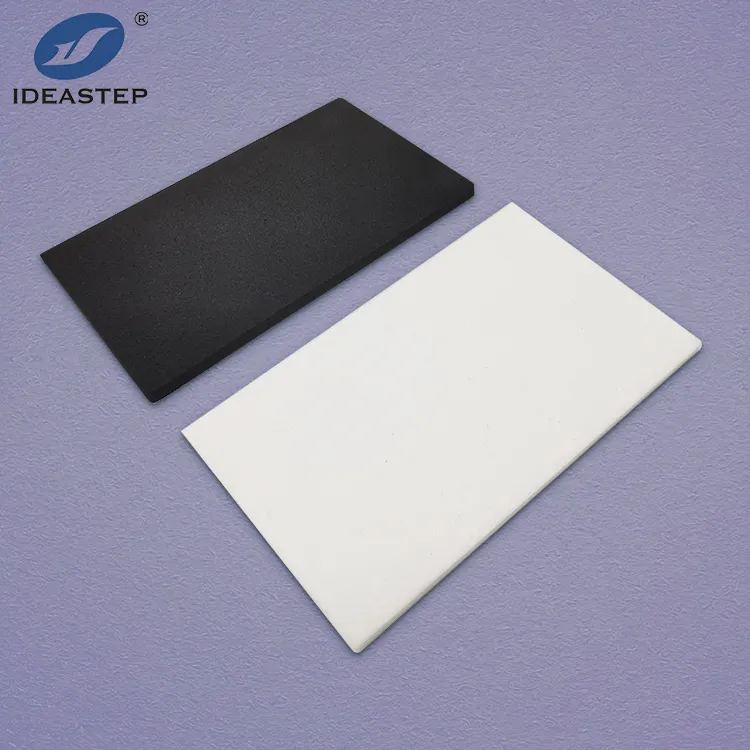
In real production programs, EVA is not selected as a premium material—it is selected as a reliable one. It provides enough cushioning for daily use while remaining lightweight and easy to process at scale.
Most entry-level and mid-range footwear products still rely on EVA because it performs consistently under standard walking conditions, especially in sneakers, casual shoes, and light-duty work footwear.
However, it is important to understand its role clearly: EVA is a comfort-oriented material, not a high-load structural support system.
2. What EVA Foam Shoe Inserts Actually Do
EVA (Ethylene Vinyl Acetate) is a closed-cell foam material that responds to pressure through controlled compression and rebound. In footwear applications, this behavior helps manage repetitive impact during walking.
2.1 Real function in daily use
- Reduces direct impact from ground contact
- Spreads pressure more evenly across the foot
- Improves step comfort in low to medium activity levels
2.2 What EVA does NOT do well
- Does not provide strong biomechanical correction
- Not designed for long-term heavy load environments
- May compress over time under continuous high pressure
This distinction is important for product selection and OEM development decisions.
3. Why High Performance EVA Still Matters
Not all EVA materials behave the same. In footwear manufacturing, “high performance EVA” usually refers to improved density control, better rebound stability, and more consistent compression behavior.
3.1 Lightweight structure without bulk
EVA remains popular because it adds cushioning without significantly increasing shoe weight. This is critical for everyday shoes where users prioritize natural walking feel.
3.2 Controlled shock absorption
During heel strike, EVA compresses and absorbs part of the impact force. This reduces stress transferred to the heel and forefoot in normal walking conditions.
3.3 Balanced comfort for daily use
In real-world applications, EVA performs best in moderate activity scenarios such as commuting, retail work, and casual walking environments.
4. EVA Foam vs Other Common Insole Materials
Material selection in footwear development is always a trade-off between comfort, durability, and structural stability.
4.1 EVA vs PU
EVA is lighter and more flexible, making it suitable for comfort-focused designs. PU (polyurethane), on the other hand, offers better long-term structural stability and resistance to compression.
In higher-load footwear programs, PU is often preferred when durability is more important than weight reduction.
4.2 EVA vs Memory Foam
Memory foam provides a softer feel but tends to recover slowly and lacks structural support. EVA is more responsive and maintains better shape consistency during walking.
4.3 EVA vs TPU
TPU offers higher durability and elasticity, but it increases material cost and processing complexity. EVA remains the more practical choice for large-scale everyday footwear production.
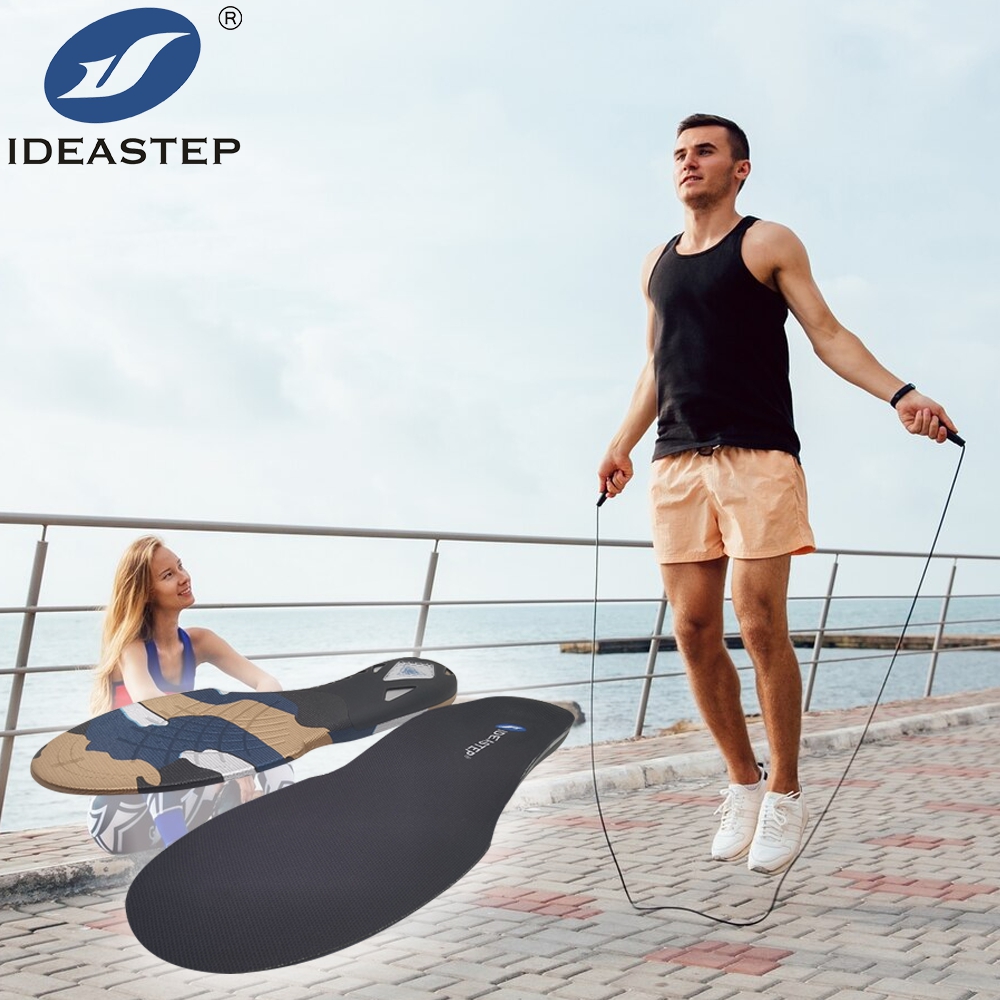
5. Where EVA Foam Shoe Inserts Perform Best
In most footwear programs, EVA is used as a baseline comfort layer across a wide range of products:
- Everyday walking shoes and sneakers
- Casual lifestyle footwear
- Light-duty work shoes
- Retail and private label shoe brands
- OEM and mass production footwear programs
It is especially common in products where cost efficiency and consistent output are more important than biomechanical correction.
6. How to Choose the Right EVA Foam Specification
6.1 Density selection
Low-density EVA provides a softer feel but compresses faster. Higher-density EVA improves durability and is better suited for longer daily use cycles.
6.2 Thickness design
Thicker EVA layers improve cushioning but may affect shoe fit. Thinner designs prioritize flexibility and fit precision.
6.3 Structural design consideration
In OEM applications, EVA can be combined with simple arch shaping or multi-layer structures to improve comfort consistency without significantly increasing cost.
7. EVA Foam in B2B Footwear Manufacturing
In B2B footwear production, EVA foam shoe inserts are widely used because they are easy to scale, easy to process, and compatible with most shoe manufacturing systems.
Most brands choose EVA not because it is the most advanced material, but because it provides a predictable balance between performance and production efficiency.
- Stable raw material supply chain
- High production yield in mass manufacturing
- Flexible customization options for branding and design
- Cost-effective scaling for retail programs
This makes EVA a foundational material in global footwear OEM supply chains.
8. Frequently Asked Questions (FAQ)
Why do EVA foam insoles compress over time?
EVA is a foam-based material. Under continuous pressure, its internal structure gradually compresses, especially in lower-density formulations.
Is EVA suitable for long-term daily use?
Yes, for normal daily walking and casual use. For high-load or industrial environments, higher-density or alternative materials may be required.
Can EVA insoles be used in all types of shoes?
They are widely compatible with sneakers, casual shoes, and light work footwear, depending on thickness and design.
What is the main limitation of EVA material?
Its main limitation is long-term structural compression under heavy or continuous load conditions.
9. Conclusion
High performance EVA foam shoe inserts remain one of the most widely used solutions in everyday footwear because they deliver a practical balance of cushioning, weight reduction, and manufacturing efficiency.
However, EVA should be understood clearly: it is a comfort-focused material designed for daily use scenarios, not a structural correction system for high-load environments.
For footwear brands and OEM buyers, EVA continues to be a reliable foundation material for building scalable product lines with consistent performance and cost control.
Related product links: https://www.aideastep.com/product/ideastep-a-high-durability-low-density-eva-sheet-for-outsoles-premium-lightweight-performance-material/.