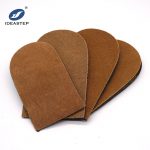
In industrial work environments, foot problems are rarely caused by a single factor. The real issue is cumulative load: long hours of standing, repetitive walking, heavy footwear, and hard ground surfaces. Over time, this combination breaks down basic foot comfort systems that standard shoe insoles are never designed to handle.
This is why industrial orthotic insoles are not just a comfort upgrade. In most cases, they are a structural requirement for workers exposed to continuous physical stress.
1. Why Standard Insoles Fail in Industrial Environments
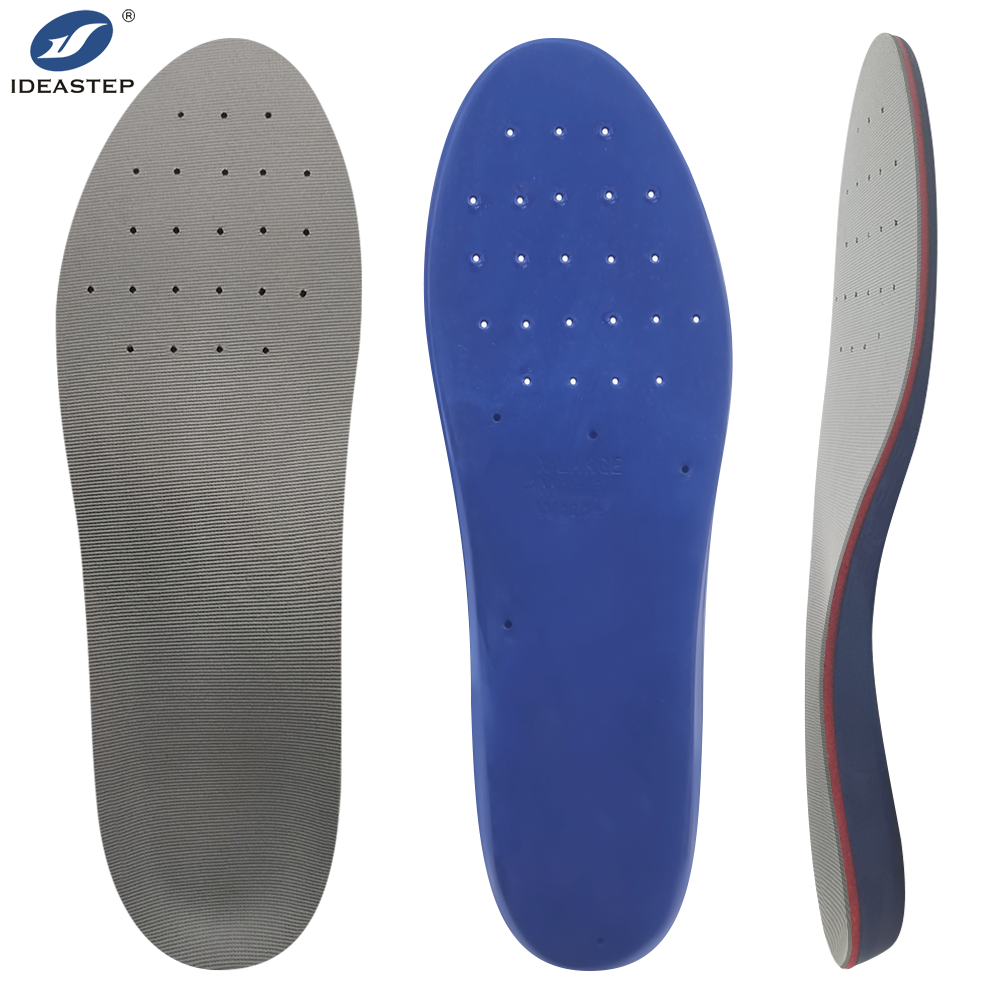
Many safety boots come with basic foam insoles, but in real industrial use, they degrade quickly. The main issue is simple: they are designed for casual walking, not sustained load-bearing work.
In practice, common failures include:
- Foam compression within a short usage cycle
- Loss of arch support under continuous standing
- Heel impact fatigue on hard factory or concrete floors
- Uneven pressure distribution leading to joint strain
This is why many workers still experience foot pain even when wearing certified safety footwear.
2. What Makes Industrial Orthotic Insoles Different
Industrial orthotic insoles are engineered for one core requirement: maintaining structure under load. Unlike standard cushioning insoles, they combine support geometry with material stability.
2.1 Functional Design Focus
- Structural arch support: prevents arch collapse under load
- Pressure redistribution: reduces peak stress zones under heel and forefoot
- Shock control: manages repeated impact forces during walking and lifting
- Postural alignment: supports lower limb biomechanics over long shifts
2.2 The Key Difference vs Standard Foam Insoles
The difference is not comfort level—it is load tolerance.
- Standard insoles: prioritize softness, but collapse under pressure
- Industrial orthotic insoles: prioritize stability and controlled flexibility
3. Real Causes of Foot Pain in Industrial Work
Most industrial foot pain is not caused by injury, but by repeated micro-stress over time.
3.1 Continuous Standing Load
Standing for 6–10 hours shifts body weight to limited pressure zones, especially the heel and forefoot, increasing localized stress.
3.2 Hard Surface Impact
Concrete and metal flooring do not absorb impact energy. Without proper cushioning structure, the force is directly transferred to the foot.
3.3 Arch Fatigue and Collapse
When arch support is insufficient, the medial arch gradually flattens under repetitive loading, leading to alignment issues in knees and lower back.
4. How Industrial Orthotic Insoles Improve Work Safety
Workplace safety is not only about external hazards. Fatigue-related instability is one of the most underestimated risk factors in industrial environments.
Industrial orthotic insoles improve safety by reducing physical breakdown mechanisms such as:
- Loss of balance due to fatigue during long shifts
- Reduced reaction stability when walking on uneven surfaces
- Lower limb overcompensation caused by foot discomfort
In real working environments, better foot stability directly translates into fewer missteps and more consistent movement control.
5. Foot Pain Relief: How Load Redistribution Actually Works
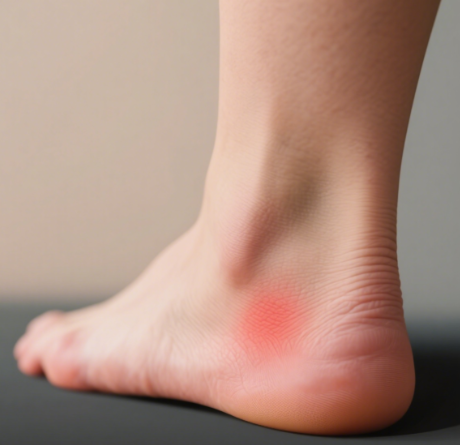
Pain relief in industrial orthotic insoles does not come from softness. It comes from changing how force is distributed across the foot.
Instead of concentrating pressure on small zones, a properly designed insole:
- Spreads load across the entire plantar surface
- Reduces peak pressure at heel strike points
- Supports soft tissue structures under continuous stress
This is why users often report gradual improvement rather than instant relief—the system corrects load behavior over time, not just impact sensation.
6. Material Logic Behind Long-Term Support
Material selection is not about softness or hardness alone. In industrial orthotic design, it is about how materials behave under repeated compression cycles.
6.1 EVA
EVA is commonly used for cushioning layers. It performs well in shock absorption but may lose structure under prolonged heavy load if not reinforced.
6.2 PU
PU is typically selected when long-term resilience and structural consistency are required. It maintains shape better under continuous pressure.
6.3 TPU and Composite Structures
TPU-based or multi-layer systems are used in higher-demand environments where both durability and controlled flexibility are required.
In industrial applications, material choice is always a trade-off between comfort, durability, and structural stability.
7. Where Industrial Orthotic Insoles Are Used
- Construction and infrastructure projects
- Manufacturing and assembly lines
- Warehouse and logistics operations
- Heavy equipment and mechanical work
- Safety footwear OEM and industrial boot programs
8. How to Choose the Right Industrial Orthotic Insoles
Selection is usually determined by workload intensity rather than preference.
- High load + long standing time → higher structural support required
- Flat feet conditions → stronger arch correction design
- Safety boots → thickness and fit compatibility must be controlled
- B2B sourcing → consistency and scalability matter more than unit price
9. B2B Procurement Perspective
For industrial buyers, the real challenge is not finding a product, but finding a stable supply system that can maintain consistent performance across mass production.
- Stable MOQ across production cycles
- Consistent material and structural quality
- OEM/ODM customization capability
- Reliable lead time under real production conditions
In industrial footwear supply chains, long-term stability is often more valuable than marginal cost savings.
10. FAQ
Do industrial orthotic insoles actually reduce workplace foot pain?
Yes, but not through softness. The effect comes from improved load distribution and structural support over time.
Why do safety boots still cause foot fatigue?
Because most safety boots only protect externally. Without internal structural support, fatigue still accumulates in the foot system.
How long do industrial orthotic insoles last?
It depends on workload intensity and material system, but industrial-grade designs are built for extended daily use under high load conditions.
Can they be customized for OEM programs?
Yes. Many industrial orthotic systems are developed specifically for OEM and private label safety footwear programs.
11. Conclusion
Industrial orthotic insoles are not simply comfort accessories. In demanding environments, they function as a load management system between the human body and industrial working conditions.
When properly designed, they improve stability, reduce fatigue accumulation, and support long-term musculoskeletal health under continuous stress.
For B2B buyers, the key decision is not just product selection, but choosing a manufacturing partner capable of delivering consistent structural performance at scale.
Related Post: Why Industrial Workers Need Orthotic Insoles for All-Day Comfort.