Developing a successful footwear product today requires more than selecting comfortable materials. Footwear brands, healthcare companies, and orthotic product developers are increasingly looking for solutions that provide personalized support, improve product differentiation, and shorten development cycles.
3D printed insoles for shoes are becoming an important technology in this transition. By combining digital foot scanning, biomechanical analysis, CAD design, and additive manufacturing, 3D printing allows manufacturers to create customized orthotic solutions with complex support structures that are difficult to achieve through traditional manufacturing methods.
For brands exploring premium footwear, medical foot care products, or personalized comfort solutions, working with an experienced 3D printed insole manufacturer can help transform innovative concepts into reliable commercial products.
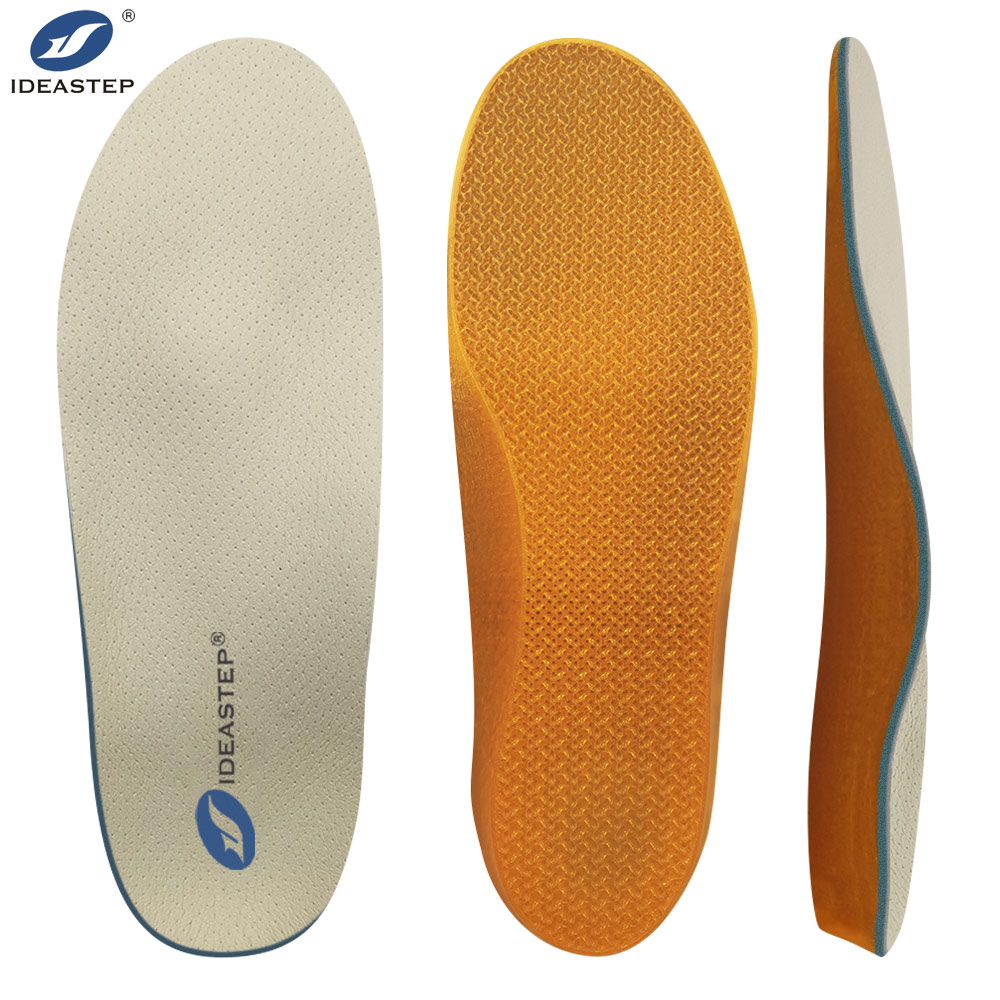
What Are 3D Printed Insoles for Shoes?
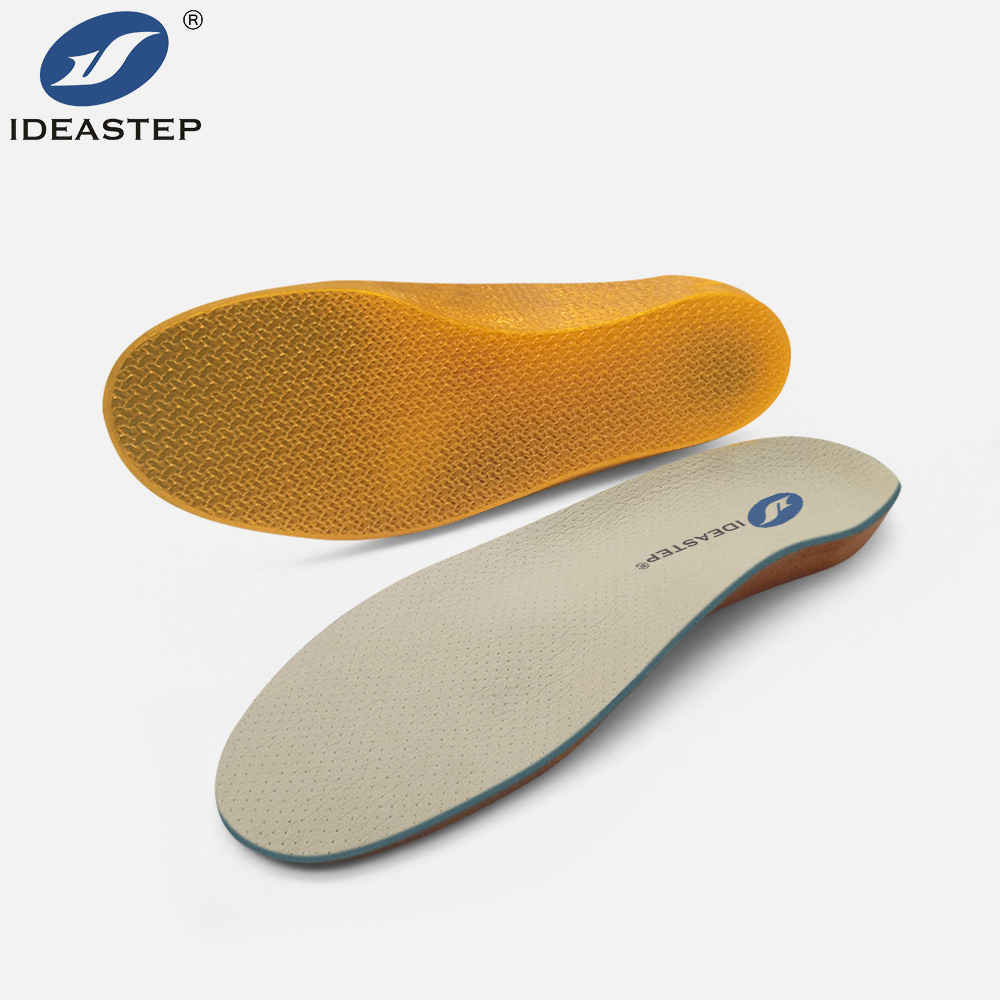
3D printed insoles are customized shoe inserts produced through additive manufacturing technology. Unlike traditional insoles that are mainly created through cutting, molding, or layering foam materials, 3D printed insoles are built from digital models layer by layer.
The manufacturing process typically involves:
- Digital foot data collection
- 3D scanning and pressure analysis
- CAD-based biomechanical design
- 3D printing production
- Prototype testing and quality inspection
This digital manufacturing approach gives engineers greater control over the internal structure of the insole. Different areas can be designed with different levels of flexibility, cushioning, and support according to specific requirements.
Unlike standard foam inserts, 3D printed orthotic insoles are designed around individual foot characteristics rather than a one-size-fits-all structure.
Why 3D Printing Is Changing Custom Orthotic Manufacturing
Limitations of Traditional Insole Production
Traditional manufacturing methods such as compression molding remain effective for large-volume production. However, they are often based on fixed tooling and standardized designs.
For companies developing customized or premium products, traditional processes may create challenges such as:
- Higher tooling investment
- Longer product development cycles
- Limited design flexibility
- Difficulties with individual customization
These limitations become more noticeable when brands want to test new concepts, create personalized products, or develop small-batch premium footwear solutions.
Advantages of 3D Printed Insoles
Personalized Biomechanical Design
In practical orthotic development, the main value of 3D printing is not simply customization. The real advantage is the ability to adjust support structures according to different foot conditions, pressure patterns, and wearing requirements.
Engineers can modify:
- Arch support areas
- Heel cushioning zones
- Pressure distribution points
- Flexibility and stiffness levels
This makes 3D printed insoles suitable for applications where standard inserts cannot provide sufficient functional support.
Lightweight Lattice Structures
One major advantage of 3D printing technology is the ability to create complex lattice structures inside the insole.
Compared with uniform foam materials, lattice designs allow manufacturers to create different performance zones within one product:
- Softer areas for cushioning
- Stronger areas for stability
- Open structures for weight reduction
This balance between comfort and support is particularly valuable for sports footwear and advanced orthopedic applications.
Faster Digital Product Development
Because 3D printed insoles are developed from digital files, design changes can be completed without creating completely new molds.
Brands can adjust:
- Support geometry
- Thickness distribution
- Material density
- Overall structure
This helps reduce development time and allows companies to validate new concepts more efficiently.
How 3D Printed Insoles Are Manufactured
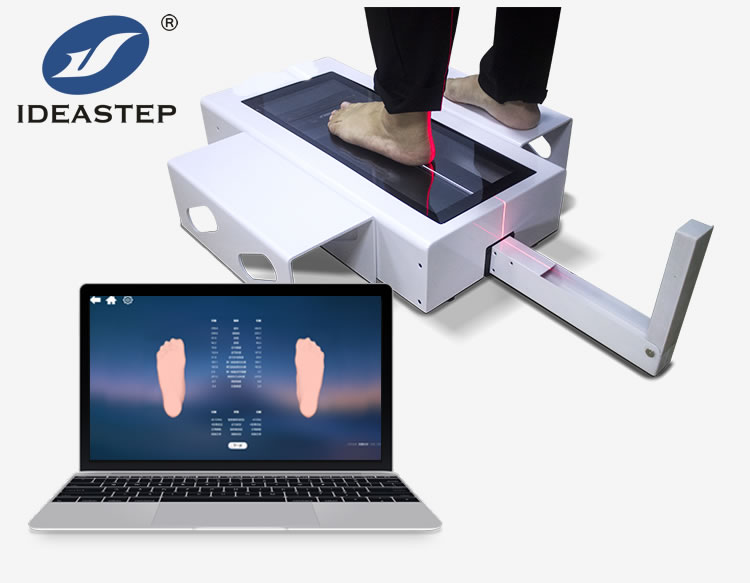
Step 1: Digital Foot Data Collection
The manufacturing process begins with collecting accurate foot information. Depending on the application, manufacturers may use:
- 3D foot scanning
- Foot pressure analysis
- Gait evaluation
- Digital measurement systems
Accurate data collection is essential because incorrect input can lead to poor support positioning or uncomfortable pressure points.
Step 2: CAD Design and Biomechanical Optimization
After data collection, engineers create a digital model using CAD software.
During the design stage, specialists evaluate:
- Arch structure
- Foot pressure distribution
- Pronation control requirements
- Cushioning performance
The digital model can then be adjusted before production, allowing manufacturers to optimize comfort and functional performance.
Step 3: 3D Printing Production
Once the design is approved, the digital file is transferred to a 3D printer.
Common manufacturing technologies include:
Selective Laser Sintering (SLS)
SLS uses laser energy to fuse polymer materials layer by layer. It is suitable for producing complex structures with high design freedom and accuracy.
TPU 3D Printing
TPU is one of the most commonly used materials for 3D printed orthotic insoles because it provides a combination of flexibility, durability, and impact resistance.
When selecting TPU materials, manufacturers usually evaluate:
- Shore hardness
- Elastic recovery
- Tear resistance
- Fatigue resistance
The right TPU formulation helps create insoles that maintain support while adapting to repeated foot movement.
Step 4: Prototype Testing and Optimization
Professional 3D printed insole development does not end after printing the first sample. Prototype testing is an important step before mass production.
Testing may include:
- Trial fitting
- Comfort feedback
- Pressure evaluation
- Structural adjustment
Based on testing results, engineers can modify the digital design and improve the final product performance.
Step 5: Final Processing and Quality Control
Before delivery, finished products are inspected for:
- Dimensional accuracy
- Surface quality
- Structural consistency
- Material performance
Materials Used in 3D Printed Insoles
TPU Materials
TPU is widely used because it provides a unique balance between flexibility and durability. It can withstand repeated compression while maintaining structural performance.
Flexible Polymer Materials
Flexible polymers allow manufacturers to customize stiffness and cushioning characteristics according to different applications.
Hybrid Insole Structures
The future of 3D printed insoles is moving toward hybrid designs that combine different manufacturing technologies.
For example:
- 3D printed TPU support structures
- EVA cushioning layers
- Breathable fabric covers
This approach combines digital customization with proven comfort materials.
3D Printed Insoles vs Traditional Insoles
| Feature | 3D Printed Insoles | Traditional Insoles |
|---|---|---|
| Design Method | Digital customized design | Standard mold-based design |
| Customization | High personalization | Limited adjustment |
| Development Process | Digital modification | Requires tooling changes |
| Structure | Complex lattice design | Traditional foam layers |
| Application | Advanced orthotics and premium products | General comfort applications |
How Footwear Brands Benefit from 3D Printed Insoles
Create Differentiated Footwear Products
For footwear brands, 3D printed insoles provide an opportunity to develop products with unique comfort features and personalized support.
Applications include:
- Performance running shoes
- Medical footwear
- Premium lifestyle shoes
- Occupational footwear
Improve Customer Experience
Consumers increasingly expect products designed around their individual needs. Customized insoles allow brands to offer more personalized fitting experiences.
Support Faster Innovation
Digital manufacturing allows brands to test concepts with prototypes and small batches before investing in larger production.
OEM and Private Label 3D Printed Insole Solutions
For companies entering the custom orthotic market, selecting the right manufacturing partner is critical.
An experienced OEM 3D printed insole manufacturer should provide:
- Custom design support
- Prototype development
- Material selection assistance
- Logo customization
- Packaging solutions
- Mass production support
A complete manufacturing partner helps brands move from concept development to market-ready products efficiently.
Choosing a Reliable 3D Printed Insole Manufacturer
Before selecting a supplier, brands should evaluate several key factors:
Technical Capability
- 3D scanning technology
- CAD design experience
- 3D printing expertise
Material Knowledge
A capable manufacturer should understand how different TPU materials and structures influence comfort, durability, and support performance.
Production Capability
The supplier should be able to support the complete process from prototype development to commercial manufacturing.
The Future of 3D Printed Insoles Technology
The future development of 3D printed insoles will focus on greater personalization, smarter digital design, and improved manufacturing efficiency.
Future trends may include:
- AI-assisted foot analysis
- Automated orthotic design
- Smart responsive materials
- Fully personalized footwear systems
Conclusion: 3D Printing Creates New Possibilities for Custom Orthotic Solutions
3D printed insoles for shoes represent a major advancement in custom orthotic manufacturing. By combining digital technology, biomechanical design, and advanced materials, manufacturers can create products that provide better personalization and performance.
As an experienced orthotic insole manufacturer, Ideastep provides customized 3D printed insole solutions for footwear brands, healthcare companies, and distributors. From digital design and material development to OEM production support, we help partners develop innovative foot care products.
For brands looking to build differentiated footwear solutions, 3D printing offers a powerful pathway toward the future of personalized comfort and support.
FAQ
What materials are used for 3D printed insoles?
Most 3D printed insoles use flexible polymer materials such as TPU because of their durability, elasticity, and structural flexibility.
Can a manufacturer customize 3D printed insoles for my brand?
Yes. Professional manufacturers can customize design structures, materials, appearance, packaging, and product specifications according to brand requirements.
Are 3D printed insoles suitable for mass production?
Yes. With improved digital manufacturing technology, 3D printed insoles can support prototype development, small-batch production, and commercial manufacturing.
How long does 3D printed insole development take?
Development time depends on design complexity, testing requirements, and customization level. Prototype evaluation is usually required before final production.
What should brands look for in a 3D printed insole manufacturer?
Brands should evaluate technical capability, material expertise, customization support, quality control systems, and production experience.
Related product links: https://www.aideastep.com/product/3d-12-adaptive-fit-3d-printed-insole-multi-shoe-compatibility-flexible-use/.