The production of modern insoles involves much more than cutting foam into a shoe-shaped insert. High-quality insoles are developed through a combination of biomechanical design, material engineering, precision manufacturing, and strict quality control.
For orthopedic clinics, footwear brands, healthcare distributors, and professional buyers, understanding the insole manufacturing process helps identify reliable production partners and evaluate product quality before large-scale cooperation.
From EVA foam formulation and structural design to molding technology, assembly, and final inspection, every manufacturing stage influences the comfort, durability, and functional performance of the finished insole.
Experienced orthotic insole manufacturers now combine traditional manufacturing expertise with digital design systems and customized production methods to develop solutions for medical support, sports performance, occupational footwear, and everyday comfort applications.
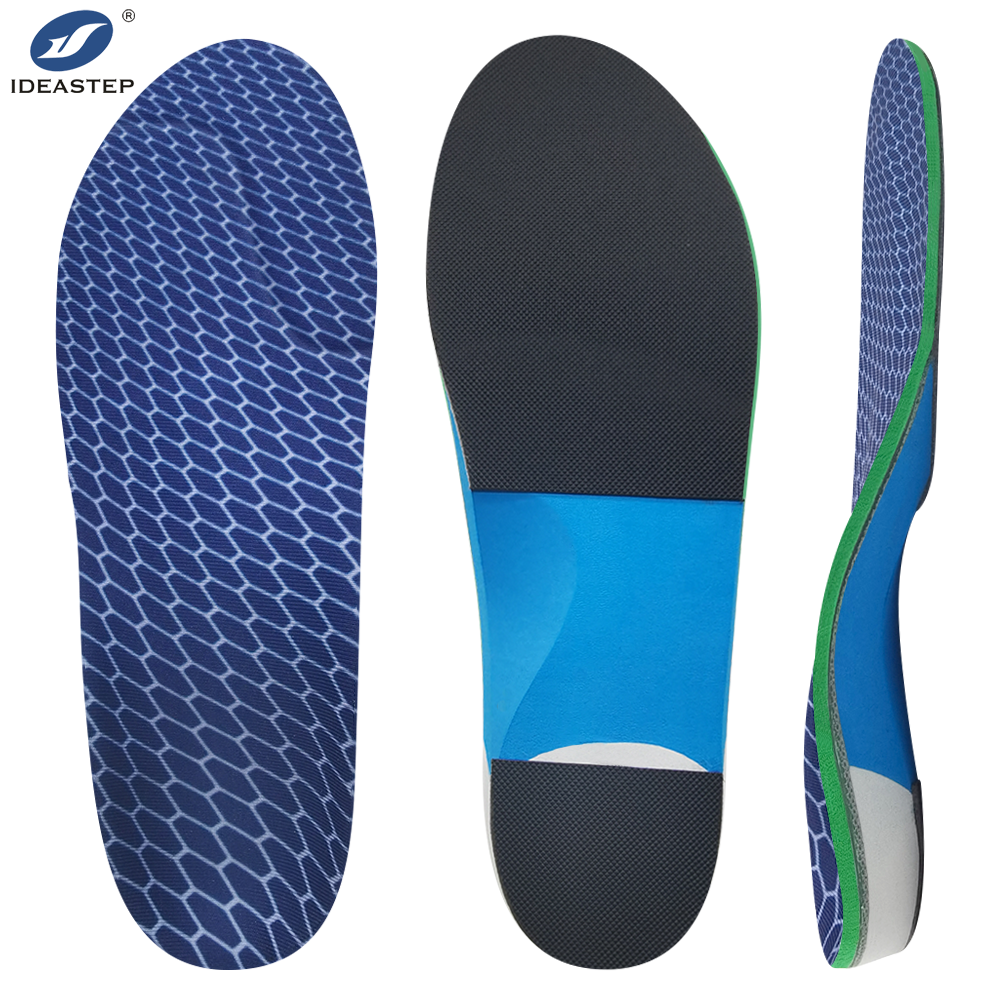
Understanding Modern Insoles Production Technology
Insole manufacturing has evolved significantly over the past decades. Traditional insoles mainly focused on basic cushioning, while modern orthopedic and functional insoles are designed according to foot biomechanics and specific user requirements.
A professional production system considers factors such as:
- Foot structure and arch support requirements
- Plantar pressure distribution
- Walking and standing patterns
- Material performance characteristics
- Application environment and user demands
In practice, the best-performing insoles are usually created by balancing three key elements: support, cushioning, and flexibility.
Key Factors That Determine Insole Manufacturing Quality
Biomechanical Design and Functional Requirements
Before manufacturing begins, engineers first define the purpose of the insole. Different applications require different structural designs.
For example:
- Flat feet solutions require stronger medial arch support and pronation control.
- Plantar fasciitis insoles often focus on heel cushioning and pressure redistribution.
- Sports insoles require impact absorption and dynamic flexibility.
- Safety footwear insoles require durability and long-term compression resistance.
A successful insole design is not based only on softness. The internal structure must work with natural foot movement while maintaining appropriate support.
Material Selection and Performance Engineering
Material selection is one of the most important decisions in insole development. The same design can perform differently depending on foam density, hardness, rebound properties, and compression resistance.
EVA Foam
EVA (Ethylene Vinyl Acetate) remains one of the most widely used materials in insole manufacturing due to its lightweight characteristics, shock absorption capability, and flexible formulation options.
By adjusting EVA density, hardness, and chemical formulation, manufacturers can develop different performance levels ranging from soft comfort cushioning to firmer orthopedic support structures.
Important EVA performance factors include:
- Density consistency
- Hardness control
- Rebound resilience
- Compression set resistance
PU Foam
PU foam is commonly selected for applications requiring long-term cushioning performance. Compared with many traditional foam materials, PU provides excellent resilience and maintains cushioning properties after repeated compression.
TPU and Thermoplastic Components
TPU materials are frequently used in structural reinforcement areas because of their strength, flexibility, and durability.
They are commonly applied in:
- Arch reinforcement components
- Semi-rigid orthopedic structures
- Customized support systems
Fabric Cover Materials
The top cover directly contacts the foot, making comfort and moisture management important considerations. Breathable fabrics help improve wearing experience, especially for users wearing insoles throughout the day.
Complete Insoles Manufacturing Process
Step 1: Product Design and Development
The manufacturing process begins with product development. Engineers define the structure based on the intended application, target users, and performance requirements.
Common development methods include:
- CAD structural modeling
- 3D foot scanning analysis
- Pressure distribution evaluation
- Prototype testing
For custom orthotic projects, digital data allows manufacturers to create more accurate designs based on individual foot characteristics.
Step 2: Material Preparation and Layer Design
Most functional insoles use multi-layer constructions. Each layer performs a specific role:
- Top cover layer: Improves comfort and moisture control.
- Cushioning layer: Absorbs impact forces.
- Support layer: Controls arch movement and improves stability.
- Base layer: Provides structural durability.
Experienced manufacturers select different material combinations according to the required balance between comfort and correction.
Step 3: Molding and Forming Technology
The forming process determines the final shape, density distribution, and structural performance of the insole.
Compression Molding
Compression molding is widely used for EVA-based insoles and large-volume production. It provides consistent shape accuracy and stable output for commercial applications.
Heat Molding Technology
Heat moldable insoles use temperature-sensitive materials that can be adjusted according to foot shape. This technology is commonly used in semi-custom orthopedic applications.
Injection Molding
Injection molding is often used for TPU reinforcement parts and components requiring higher dimensional accuracy and durability.
Step 4: Precision Cutting and Trimming
After molding, precise cutting ensures the insole matches the required shoe dimensions.
Modern production facilities often use CNC cutting equipment to improve:
- Dimensional accuracy
- Production consistency
- Material utilization
- Manufacturing efficiency
Step 5: Assembly and Surface Processing
During assembly, different layers are bonded together through controlled manufacturing processes.
Typical finishing operations include:
- Layer bonding inspection
- Edge grinding
- Surface finishing
- Logo printing
- Packaging preparation
Step 6: Quality Control and Performance Testing
Quality control is essential for ensuring consistent performance, especially for OEM and bulk production projects.
Incoming Material Inspection
Before production, raw materials are checked for:
- Density consistency
- Hardness accuracy
- Appearance quality
Production Quality Inspection
During manufacturing, key checkpoints include:
- Thickness tolerance
- Bonding strength
- Shape accuracy
- Processing quality
Final Product Testing
Finished insoles may be evaluated for:
- Cushioning performance
- Compression recovery
- Durability
- Overall appearance
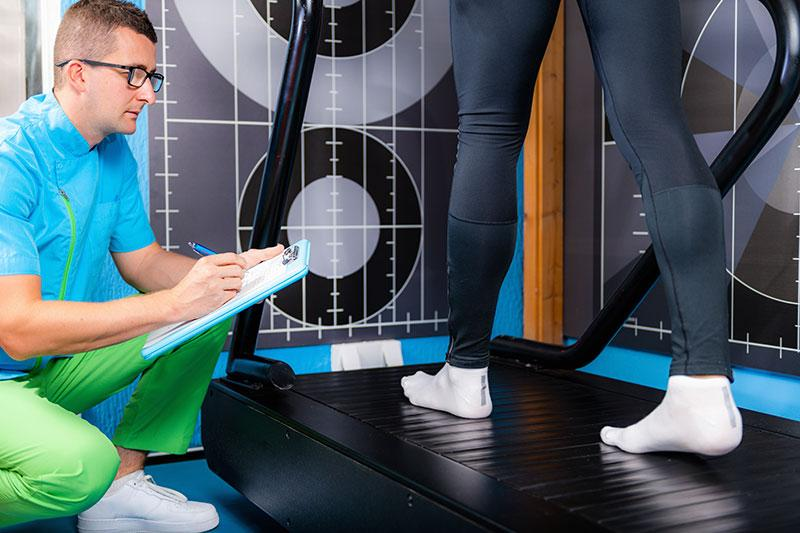
Different Manufacturing Methods for Orthotic Insoles
| Insole Type | Main Manufacturing Technology | Typical Applications |
|---|---|---|
| Custom Orthotic Insoles | 3D scanning, CAD modeling, customized production | Medical support, personalized correction |
| Heat Moldable Insoles | Thermal forming technology | Semi-custom foot support |
| EVA Mass Production Insoles | Compression molding | Retail, footwear, occupational use |
| TPU Reinforced Insoles | Injection molding and composite assembly | Structural support applications |
Advanced Technologies in Modern Insole Manufacturing
3D Scanning and Digital Foot Modeling
Digital scanning technology allows manufacturers to capture detailed foot information and develop more precise customized solutions.
Advantages include:
- Improved design accuracy
- Faster customization
- Better biomechanical matching
3D Printed Orthotic Insoles
3D printing technology enables lightweight lattice structures and highly customized support designs.
It is particularly suitable for:
- Advanced orthopedic applications
- Individualized foot support
- Premium customized products
Multi-Density Material Technology
Modern insoles increasingly use different material densities within one product.
This allows manufacturers to create:
- Soft cushioning areas
- Firm support zones
- Reinforced stability sections
OEM and Custom Insoles Manufacturing Solutions
For footwear brands, healthcare companies, and distributors, choosing an OEM insole manufacturer requires evaluating both production capability and development support.
Private Label Manufacturing
OEM partners may provide:
- Custom logo solutions
- Packaging design support
- Product specification adjustment
- Brand-specific development
Custom Product Development
Manufacturers can adjust:
- Arch height
- Material combinations
- Thickness
- Functional features
Large Volume Production Capability
For bulk buyers, stable production capacity and consistent quality are critical factors.
Reliable suppliers should provide:
- Stable manufacturing processes
- Quality consistency
- Efficient delivery management
- Professional technical support
How to Choose a Reliable Insole Manufacturer
A qualified insole supplier should provide more than production capacity. Buyers should evaluate:
- Manufacturing experience: Ability to produce different insole categories.
- Material expertise: Knowledge of EVA, PU, TPU, and composite structures.
- Quality control: Reliable inspection and testing procedures.
- OEM capability: Support for customized projects.
- R&D support: Ability to improve products based on market needs.
Conclusion: Technology Drives the Future of Insole Manufacturing
The future of insole manufacturing is moving toward greater customization, smarter production, and improved material performance.
From digital design and advanced materials to precision manufacturing and strict quality control, every stage contributes to the final performance of an insole.
For companies searching for an experienced orthotic insole manufacturer, selecting a partner with strong engineering knowledge, production capability, and OEM experience is essential for building reliable footwear solutions.
FAQ
1. What materials are commonly used in insole production?
The most common materials include EVA, PU foam, TPU, thermoplastic materials, and breathable fabric covers. Material selection depends on required cushioning, support, durability, and application.
2. What manufacturing process is used for EVA insoles?
EVA insoles are commonly produced through compression molding, followed by trimming, assembly, surface finishing, and quality inspection.
3. Can manufacturers produce custom orthopedic insoles?
Yes. Professional manufacturers can develop custom orthopedic insoles using digital design, customized structures, and different material combinations.
4. How do OEM insole projects usually start?
OEM projects typically begin with product requirements, sample development, material selection, prototype approval, and then mass production.
5. What should buyers consider when selecting an insole factory?
Buyers should evaluate manufacturing experience, material capability, quality control systems, customization support, and production reliability.