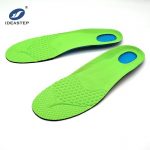
In clinical podiatry and orthopedic footwear engineering, flat feet (pes planus) are not treated as a cosmetic variation of foot shape, but as a biomechanical imbalance affecting gait efficiency, load distribution, and lower limb alignment.
Orthopedic insoles for flat feet are designed to correct these dysfunction patterns by supporting the medial longitudinal arch, controlling excessive pronation, and redistributing plantar pressure during stance and movement phases.
In OEM orthopedic insole manufacturing, these products are widely used as a non-invasive structural support solution for occupational users, patients with overuse symptoms, and individuals requiring long-term foot stability improvement.
What Are Flat Feet? (Clinical Biomechanics Perspective)
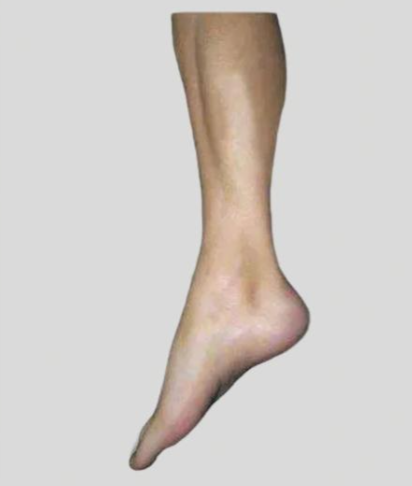
Flat feet refer to a condition where the medial longitudinal arch is reduced or collapsed during weight-bearing, resulting in increased midfoot ground contact and altered load transfer patterns.
From a gait mechanics perspective, this condition changes the way ground reaction forces travel through the foot and lower limb, often leading to compensatory movement patterns in the ankle, knee, and hip.
Structural characteristics
- Reduced medial longitudinal arch height during stance phase
- Increased midfoot contact with ground surface
- Medial collapse under body weight loading
Biomechanical consequences
- Excessive subtalar joint pronation during mid-stance
- Delayed heel-to-toe transition during gait cycle
- Reduced shock absorption efficiency of foot arch system
Why Flat Feet Lead to Pain and Fatigue
In clinical practice, flat feet often become symptomatic when cumulative mechanical stress exceeds tissue adaptation capacity.
Loss of arch-based energy absorption
The medial arch normally functions as a dynamic spring system. When collapsed, impact forces are transmitted directly to soft tissues and joints, increasing fatigue during prolonged standing or walking.
Plantar fascia overload mechanism
Excessive elongation of the plantar fascia occurs during mid-stance, especially when pronation is not adequately controlled, leading to repetitive micro-stress accumulation.
Lower limb kinetic chain compensation
Foot instability can influence tibial rotation, knee alignment, and hip positioning, resulting in secondary discomfort beyond the foot itself.
How Orthopedic Insoles for Flat Feet Work
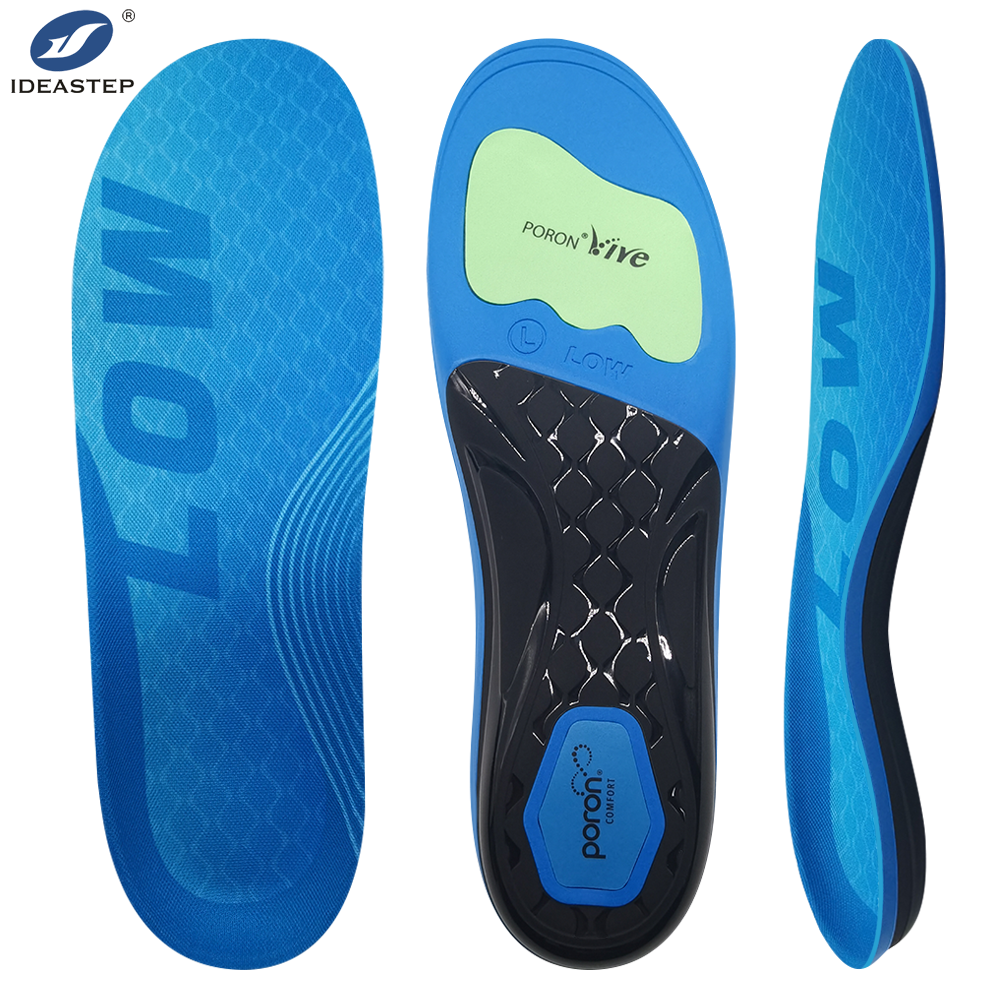
Orthopedic insoles are not simple cushioning accessories. In orthopedic design systems, they function as load redistribution and alignment correction devices.
1. Medial arch support restores structural alignment
A structured arch reinforcement system supports the medial longitudinal arch and reduces collapse during weight-bearing, improving overall foot alignment.
2. Pronation control improves gait stability
By limiting excessive subtalar joint pronation, insoles help stabilize the midfoot during stance phase and improve movement efficiency.
3. Cushioning reduces heel strike impact
A multi-density cushioning system absorbs ground reaction forces during heel strike, reducing localized stress on the calcaneus.
4. Pressure redistribution improves load balance
Plantar pressure is redistributed across heel, midfoot, and forefoot zones, reducing overload concentration in specific areas.
Why Foot Alignment Is Critical in Flat Feet
In biomechanics, alignment refers to the coordinated positioning of foot, ankle, knee, and hip during movement. Flat feet disrupt this alignment primarily through excessive pronation and medial collapse.
Without correction, the body compensates through altered movement patterns, increasing long-term joint stress and energy consumption during walking.
- Improves vertical load transmission through lower limb chain
- Reduces compensatory knee internal rotation
- Enhances overall gait efficiency and stability
Material Engineering of Orthopedic Insoles
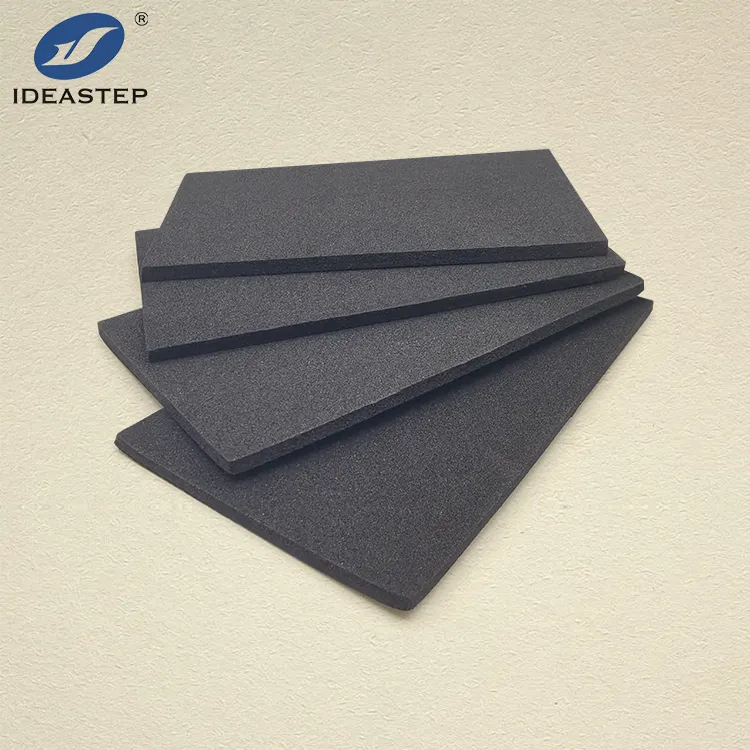
From an OEM production perspective, orthopedic insoles for flat feet typically use multi-density structures to balance support and comfort performance.
- Arch reinforcement core: controls medial arch deformation under load
- Heel cushioning zone: absorbs peak impact force during heel strike
- Multi-density EVA/PU layer: balances flexibility and structural support
- Stability base layer: reduces in-shoe micro-movement during gait
Typical material parameters in production include EVA densities ranging from 0.12–0.25 g/cm³ and Shore A hardness between 25–45, depending on required support level.
Orthopedic Insoles vs Standard Cushion Insoles
Standard cushion insoles:
- Focus on softness and immediate comfort
- Limited structural arch control
- No biomechanical correction function
Orthopedic insoles for flat feet:
- Structured medial arch support system
- Pronation control during gait cycle
- Biomechanical alignment correction
- Long-term stability and load management
This distinction is important in clinical use: orthopedic insoles are designed to influence foot mechanics, not just improve softness.
Who Should Use Orthopedic Insoles for Flat Feet?
- Individuals with flexible or rigid flat feet
- People experiencing chronic foot fatigue or arch discomfort
- Occupational workers with long standing hours
- Runners and athletes with overpronation patterns
- Users seeking improved gait stability and posture support
How to Choose the Right Orthopedic Insoles
- Match arch support level (low, medium, high)
- Evaluate cushioning density for heel impact absorption
- Check EVA/PU rebound and compression resistance
- Ensure compatibility with footwear volume and type
- Consider durability under long-term daily loading
Conclusion
Orthopedic insoles for flat feet provide a biomechanical correction approach that addresses the root cause of dysfunction—medial arch collapse and excessive pronation—rather than simply masking symptoms.
By restoring arch support, improving alignment, and redistributing plantar pressure, they enhance walking efficiency and reduce cumulative stress across the lower limb kinetic chain.
In both clinical podiatry applications and OEM orthopedic insole manufacturing, they remain a foundational solution for long-term flat foot management and daily functional improvement.
FAQ
1. Can orthopedic insoles permanently fix flat feet?
No, they do not permanently change bone structure. However, they significantly improve biomechanics by supporting arch structure and reducing symptoms during daily activities.
2. How long does adaptation take?
Most users adapt within 3–14 days depending on severity and activity level. Gradual usage is recommended during early adaptation.
3. Are these insoles suitable for all flat foot conditions?
Yes, but support level should be matched to severity and flexibility of the arch collapse condition.
4. Can they help with knee or back discomfort?
In many cases, improved foot alignment reduces compensatory stress on knees and lower back, although outcomes vary by individual biomechanics.
5. Are they suitable for daily work use?
Yes. They are widely used in occupational environments requiring prolonged standing, such as healthcare, retail, logistics, and manufacturing.
Related product links: https://www.aideastep.com/product/jf-4902-low-arch-support-insoles/.