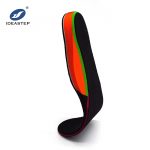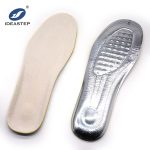
Plantar fasciitis is not simply a heel pain condition. In clinical podiatry and orthopedic footwear practice, it is understood as a mechanical overload issue of the plantar fascia caused by abnormal foot biomechanics.
Plantar fasciitis arch support insoles are designed to address this root cause by improving medial arch stability, reducing tensile stress on the plantar fascia, and optimizing plantar pressure distribution during gait.
In orthopedic insole manufacturing and occupational footwear systems, this type of structured support is widely used as a non-invasive solution for heel pain relief and functional foot correction.
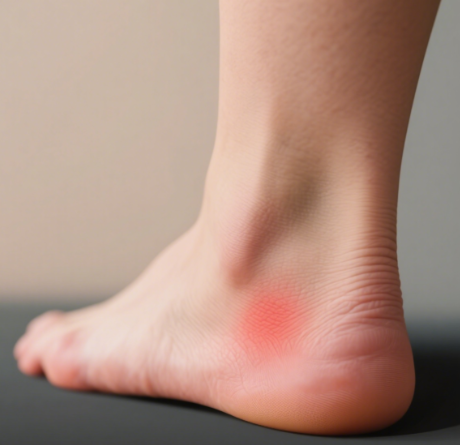
What Is Plantar Fasciitis? (Clinical and Biomechanical View)
The plantar fascia is a thick fibrous connective tissue that runs from the calcaneus (heel bone) to the metatarsal heads. Its primary role is to maintain the medial longitudinal arch and absorb impact during the stance phase of walking.
From a biomechanical standpoint, plantar fasciitis develops when repetitive loading exceeds the tissue’s tolerance capacity, leading to micro-tears and degenerative changes at the heel insertion site.
Key functional roles of the plantar fascia
- Maintains medial arch structure during weight-bearing
- Works with the windlass mechanism to stabilize gait
- Stores and releases elastic energy during walking
How Plantar Fasciitis Develops
In most clinical cases, plantar fasciitis is not caused by a single injury but by cumulative mechanical stress. Common contributing factors include:
- Excessive pronation during mid-stance phase
- Collapsed or insufficient medial arch support
- Prolonged standing on hard surfaces
- Reduced heel cushioning capacity
When the arch collapses during gait, the plantar fascia is repeatedly overstretched, especially during the heel strike to mid-stance transition.
Symptoms of Plantar Fasciitis
- Sharp heel pain during first steps in the morning
- Increased discomfort after long standing or walking
- Tightness in the medial arch region
- Pain that worsens after physical activity
In many cases, symptoms fluctuate depending on daily load rather than remaining constant, indicating a mechanical origin rather than acute injury.
How Plantar Fasciitis Arch Support Insoles Work
In orthopedic footwear design, plantar fasciitis insoles are not simple cushioning products. They are structured support systems designed to modify load distribution across the foot.
1. Medial arch support reduces fascia strain
Supporting the medial longitudinal arch reduces elongation of the plantar fascia during mid-stance, decreasing repetitive tensile stress at the heel insertion point.
2. Heel cushioning reduces peak impact force
A reinforced heel zone absorbs ground reaction forces during heel strike, reducing localized pressure concentration in the calcaneal region.
3. Pressure redistribution improves gait efficiency
By balancing load between heel, midfoot, and forefoot, the insole improves overall plantar pressure distribution and reduces compensatory stress patterns.
4. Pronation control improves alignment
Controlled medial arch support helps limit excessive rearfoot pronation, improving lower limb alignment during walking and standing.
Why Arch Support Is Critical in Plantar Fasciitis Management
In clinical practice, one of the most consistent findings in plantar fasciitis patients is excessive midfoot collapse during weight-bearing.
Without adequate arch support, the plantar fascia compensates for structural instability, resulting in continuous overload.
- Reduces strain in the windlass mechanism
- Stabilizes midfoot during stance phase
- Reduces repetitive heel traction forces
Key Benefits of Plantar Fasciitis Arch Support Insoles
Heel pain reduction
By reducing both impact force and fascial tension, these insoles help decrease heel pain during walking and standing activities.
Improved daily walking comfort
Better foot alignment reduces muscular fatigue in the lower limb chain, especially during prolonged standing.
Enhanced biomechanical stability
A stabilized arch improves gait consistency and reduces compensatory knee and hip movement.
Suitable for occupational environments
Commonly used in healthcare, retail, and manufacturing industries where long-duration standing is required.
Insole Structure and Material Engineering
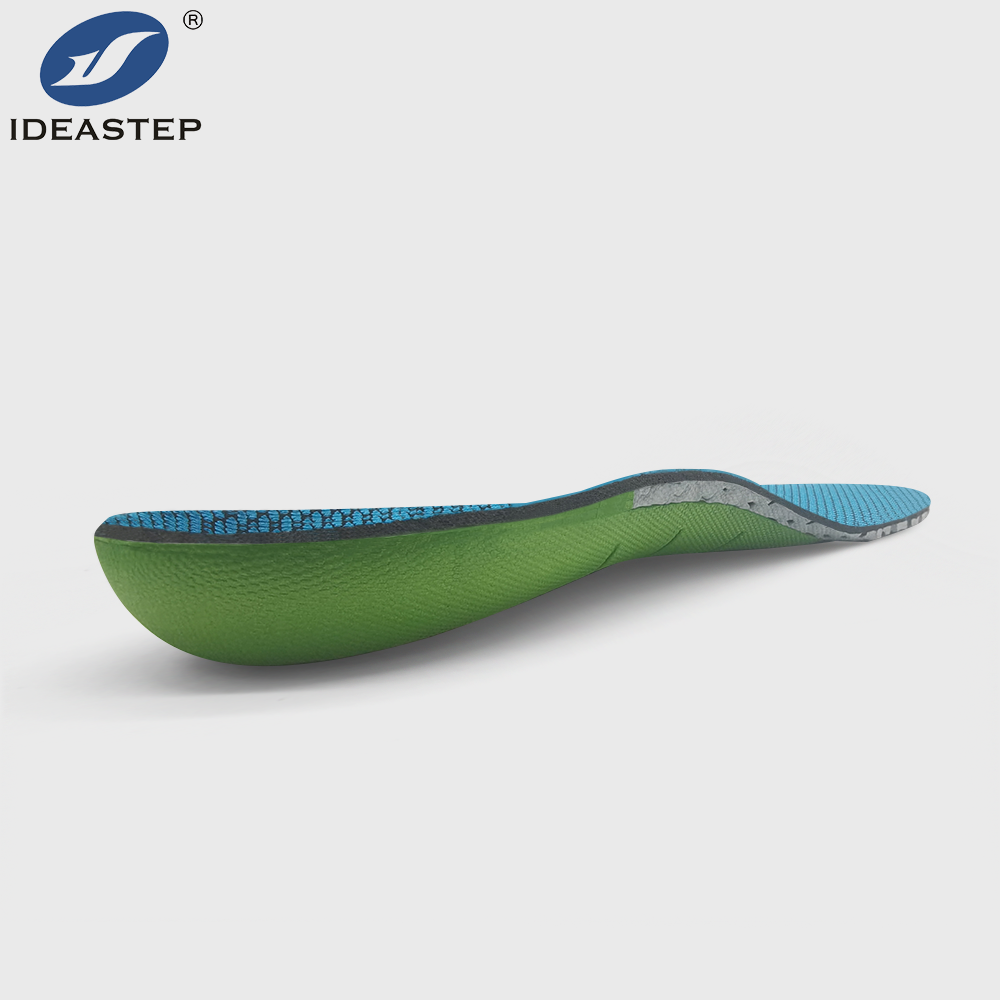
From an OEM manufacturing perspective, plantar fasciitis arch support insoles typically integrate multiple functional layers:
- Medial arch reinforcement core: controls arch deformation under load
- Heel cushioning zone: reduces peak heel strike force
- Multi-density EVA/PU midlayer: balances support and shock absorption
- Stability base layer: minimizes in-shoe movement
Typical material ranges used in production include EVA densities of 0.12–0.25 g/cm³ and Shore A hardness between 25–45 for optimal balance of support and comfort.
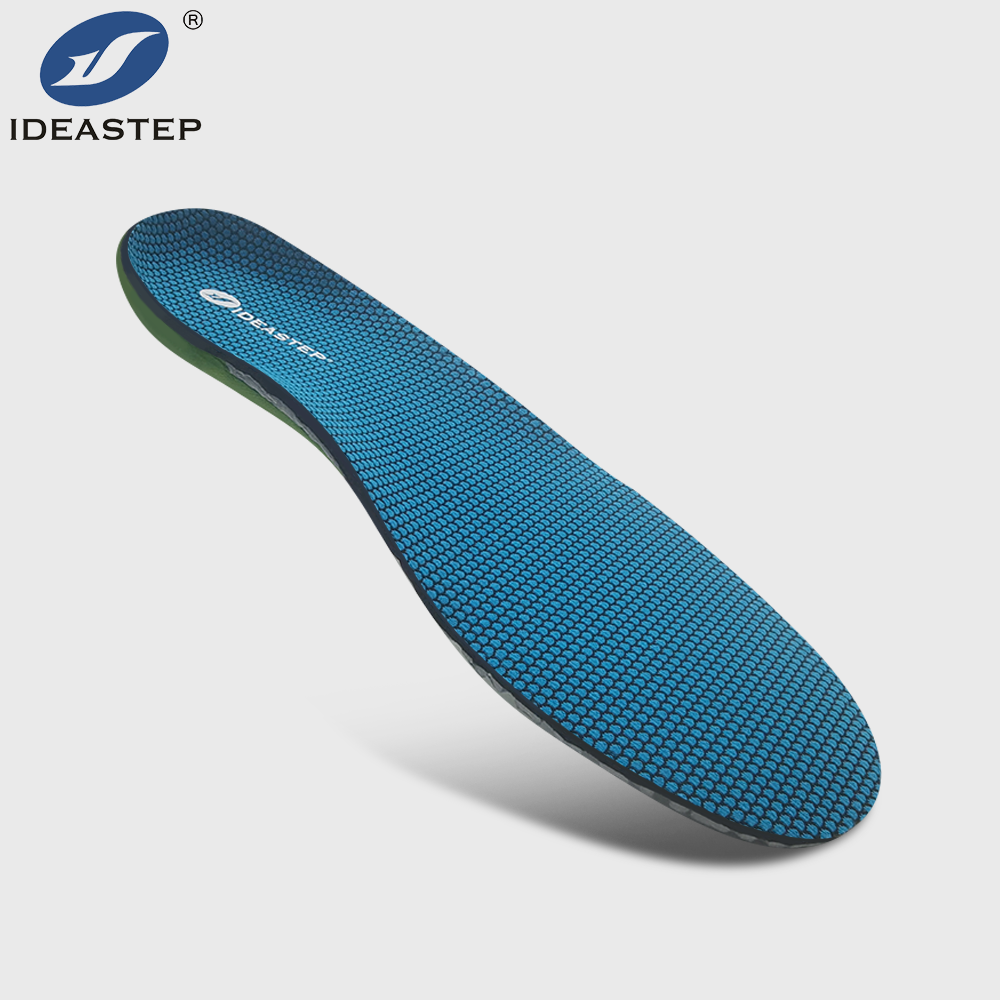
Plantar Fasciitis Insoles vs Regular Cushion Insoles
Regular comfort insoles:
- Focus on softness and cushioning only
- Limited arch control function
- No biomechanical correction capability
Plantar fasciitis arch support insoles:
- Structured medial arch support system
- Heel pressure reduction design
- Biomechanical load redistribution
- Pronation control support
In practical terms, plantar fasciitis insoles are corrective support devices rather than comfort accessories.
Who Should Use Plantar Fasciitis Arch Support Insoles?
- Individuals diagnosed with plantar fasciitis
- People with chronic heel pain or morning heel stiffness
- Workers who stand for long hours
- Runners and athletes with repetitive foot loading
- Users with flat feet or overpronation patterns
How to Choose the Right Plantar Fasciitis Insoles
- Match arch height (low, medium, high)
- Ensure sufficient heel cushioning density
- Evaluate EVA/PU rebound and compression resistance
- Check compatibility with footwear volume
- Consider durability under long-term daily use
Conclusion
Plantar fasciitis arch support insoles provide a biomechanical approach to heel pain relief by addressing the underlying cause of plantar fascia overload rather than only masking symptoms.
By improving arch stability, controlling pronation, and redistributing plantar pressure, they help restore more efficient foot function during daily movement.
In orthopedic footwear systems and OEM insole production, they are widely recognized as a core functional category for both clinical support and occupational comfort applications.
FAQ
1. Do plantar fasciitis arch support insoles cure heel pain?
They do not directly cure plantar fasciitis, but they significantly reduce mechanical stress on the plantar fascia, which supports symptom relief and recovery in daily use.
2. How long should I wear them each day?
Users can start with a few hours per day and gradually increase usage. For occupational users, full-day wear is generally acceptable after adaptation.
3. Are they suitable for flat feet?
Yes. Flat feet are strongly associated with overpronation, which increases plantar fascia stress. Arch support insoles help improve alignment and reduce overload.
4. Can they be used in all types of shoes?
They are compatible with most casual, work, and sports shoes, provided there is sufficient internal space for proper fit.
5. How long do they last?
Durability depends on material density and usage intensity, but high-quality EVA/PU structured insoles typically maintain performance for several months under daily use.