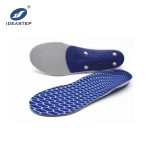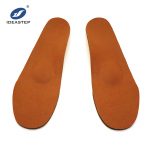
For foot care product brands, launching a successful insole product requires more than adding a new feature. The market is becoming increasingly competitive, and customers are looking for products that combine comfort, functionality, and a clear product identity.
Magnetic insoles have gained attention in the foot care market because they combine traditional wellness concepts with modern insole manufacturing technology. For brands, retailers, and wholesalers, they represent a potential product opportunity to expand comfort-focused product lines and create more differentiated offerings.
However, developing a competitive magnetic insole requires careful consideration of materials, structure, manufacturing process, and market positioning. The magnetic component itself is only one part of the overall product design.
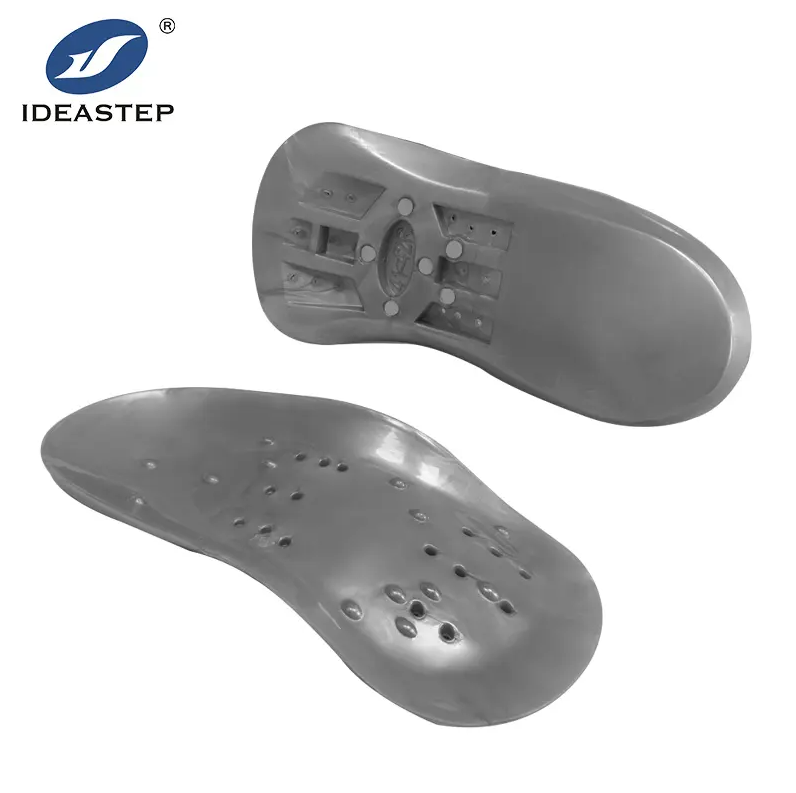
What Are Magnetic Insoles?
Magnetic insoles are footwear inserts that incorporate magnetic elements into a traditional insole structure. In most commercial designs, small magnets are placed in specific areas such as the heel or forefoot, while the main body of the product still relies on cushioning and support materials.
From an insole manufacturing perspective, magnetic insoles are usually developed as multi-layer constructions. Each layer has a specific purpose, including cushioning, moisture management, durability, and overall wearing comfort.
A typical magnetic insole structure may include:
- Top cover layer: Provides direct contact comfort and helps reduce friction inside the shoe.
- Cushioning layer: Usually made with materials such as EVA foam or PU foam to absorb impact.
- Support layer: Helps improve stability and maintain the insole shape during long-term use.
- Magnetic components: Added as a product feature to support market differentiation.
Key Benefits of Magnetic Insoles for Foot Care Brands
1. Creating Product Differentiation in a Competitive Market
One of the biggest challenges for foot care brands is standing out among similar comfort insole products. Many traditional insoles already use common materials such as EVA foam, fabric covers, and cushioning layers.
Adding magnetic elements allows brands to create a different product concept and provide an additional selling point for retail markets. For private label insoles, this type of differentiation can help companies build unique product collections instead of competing only on price.
2. Combining Comfort Design with Wellness Positioning
The main wearing experience of magnetic insoles still comes from the overall insole design, including cushioning performance, material selection, and pressure distribution.
High-quality EVA foam insoles, for example, are widely used because they provide lightweight cushioning and flexibility for daily footwear applications. When combined with magnetic features, brands can position the product as a comfort-oriented foot care solution.
For product developers, the focus should remain on creating a balanced design that delivers reliable comfort while meeting consumer expectations.
3. Expanding Foot Care Product Categories
Magnetic insoles can be used as an additional product category for companies already operating in the foot care market. They can complement existing products such as comfort insoles, orthopedic supports, and footwear accessories.
This creates opportunities for:
- Foot care product brands expanding their SKU range
- Retailers looking for differentiated accessories
- Distributors building wellness-focused product portfolios
How Magnetic Insoles Are Developed for Commercial Production
In professional insole manufacturing, a magnetic insole is not simply created by placing magnets into a foam base. The development process requires balancing comfort, thickness, durability, and production consistency.
A typical OEM development process includes:
- Material selection: Choosing EVA, PU, fabric, and support materials based on product requirements.
- Prototype development: Testing different structures, thicknesses, and magnetic placements.
- Sample evaluation: Checking comfort, appearance, and product stability.
- Mass production: Maintaining consistent quality across large-volume orders.
During production, the biggest challenge is usually integrating magnetic components without affecting the overall comfort profile. Excess thickness, poor positioning, or weak bonding can reduce the final product experience.
Materials Used in Magnetic Insole Manufacturing
EVA Foam for Cushioning Performance
EVA foam is one of the most commonly used materials in magnetic insole production. Its popularity comes from its balance of lightweight construction, flexibility, and shock absorption.
Different EVA densities create different performance characteristics. Lower-density EVA provides a softer cushioning feel, while higher-density EVA offers improved support and durability for more demanding applications.
PU Foam for Premium Comfort Applications
PU foam is often selected for products positioned toward higher comfort requirements. Compared with standard foam materials, PU can provide a softer step-in feeling and good rebound performance when properly formulated.
For brands targeting premium footwear accessories, PU-based structures can help create a more advanced product experience.
Fabric and Surface Materials
The top cover material directly affects the first impression of the product. Common options include microfiber, velvet, and breathable mesh fabrics.
These materials help improve wearing comfort while also providing opportunities for branding and product differentiation.
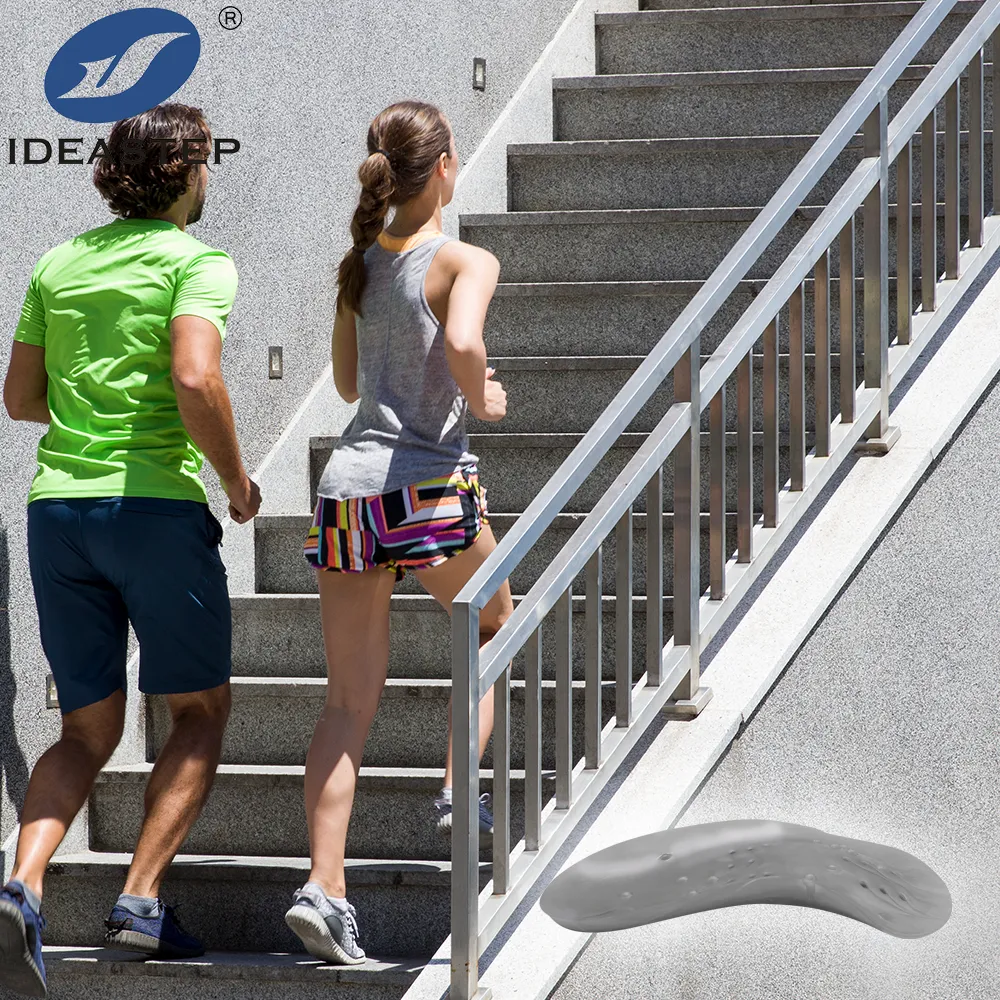
Market Opportunities for Magnetic Insoles
Growing Demand for Comfort and Wellness Products
Consumer interest in comfort-focused footwear products continues to grow. Long working hours, active lifestyles, and increasing attention to personal wellness are driving demand for products that improve everyday wearing experiences.
This trend creates opportunities for companies developing:
- Comfort footwear accessories
- Wellness-oriented foot care products
- Private label insole collections
- Online retail footwear solutions
Private Label and OEM Opportunities
For brands entering the magnetic insole market, working with an experienced OEM insole manufacturing partner can significantly reduce product development challenges.
A professional manufacturer can support:
- Custom material combinations
- Logo and packaging customization
- Product structure optimization
- Bulk production management
- Quality control throughout manufacturing
This allows brands to focus on market development while relying on experienced production support.
Who Should Consider Developing Magnetic Insoles?
Foot Care Product Brands
Companies already selling foot care products can use magnetic insoles to expand their product range and provide more options for customers seeking comfort solutions.
Footwear Wholesalers and Distributors
Wholesalers can add magnetic insoles as complementary products for casual shoes, work footwear, and comfort footwear categories.
Wellness Product Companies
Companies focused on wellness and lifestyle products may use magnetic insoles as part of a broader personal care product portfolio.
Important Factors When Developing Magnetic Insoles
1. Product Structure
The final performance depends on how cushioning materials, support structures, and magnetic elements work together. A well-designed structure should maintain comfort without creating unnecessary thickness.
2. Material Quality
Material selection directly affects durability and customer experience. Brands should evaluate density, resilience, bonding quality, and long-term performance before moving into mass production.
3. Manufacturing Capability
For large-volume orders, production consistency is critical. An experienced manufacturer should have reliable processes for material control, assembly, inspection, and quality management.
Why Choose an Experienced Insole Manufacturing Partner?
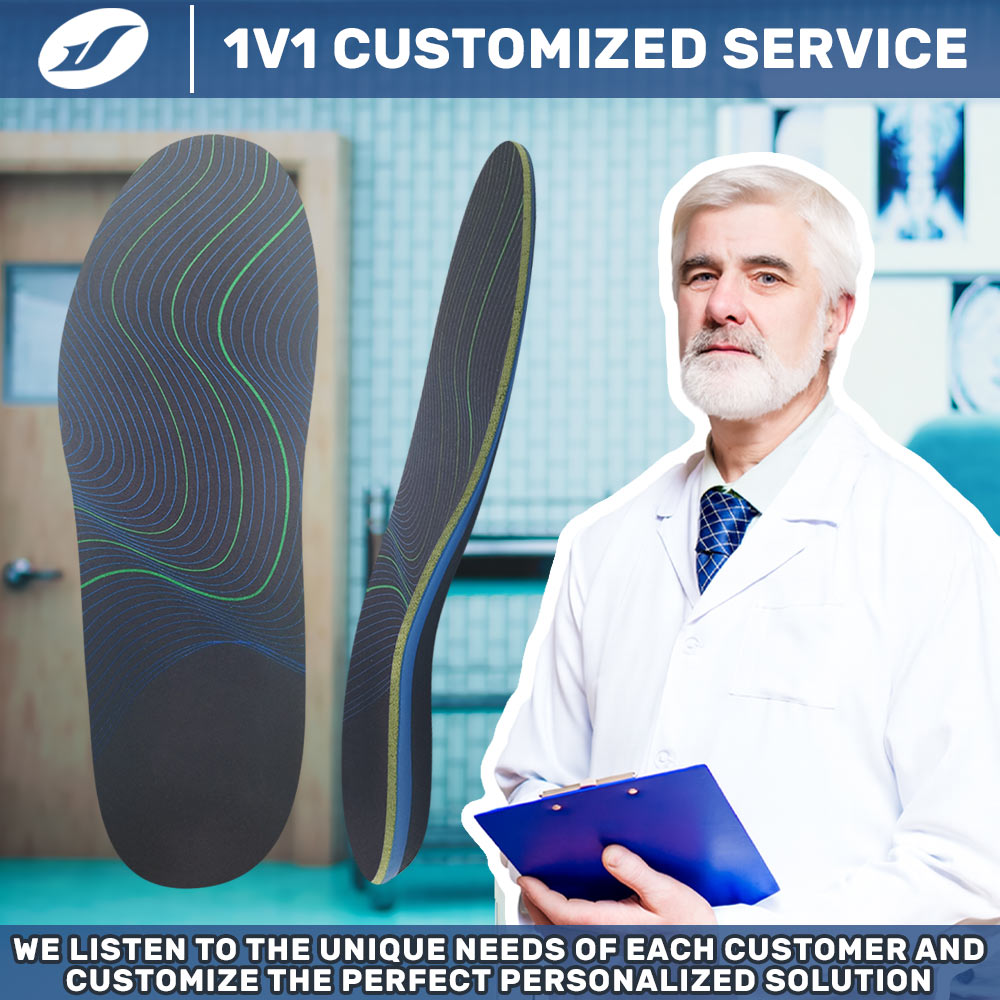
Developing magnetic insoles successfully requires knowledge of both product design and manufacturing processes. A reliable supplier can help brands transform an idea into a commercially viable product.
From material selection and prototype development to OEM production and private labeling, the right manufacturing partner helps ensure that the final product meets market expectations.
Conclusion
Magnetic insoles offer an interesting opportunity for foot care brands looking to develop differentiated comfort products. Their value comes from combining familiar insole technology with additional product positioning opportunities.
For B2B buyers, the key to success is not simply adding magnetic components, but creating a complete product system with suitable materials, practical design, and consistent manufacturing quality.
By working with an experienced insole manufacturer, brands can develop magnetic insoles that better match their target markets and build stronger product portfolios in the growing foot care industry.
Related product links: https://www.aideastep.com/product/tpu-magnet-massage-therapy-insole/.