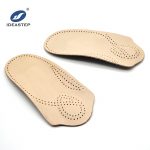
Children’s feet are not simply smaller versions of adult feet. During growth, changes in bone structure, arch development, muscle strength, and lower-limb alignment can influence walking patterns and overall foot function. Therefore, providing appropriate support during childhood requires a careful understanding of pediatric biomechanics and age-related development.
For podiatry clinics, rehabilitation providers, children’s footwear brands, and healthcare distributors, Pediatric Orthotic Insoles offer a professional approach to supporting children’s foot comfort and movement needs.
Unlike standard children’s insoles that mainly provide cushioning, pediatric orthotic insoles are designed with specific functional goals, such as improving pressure distribution, enhancing stability, and providing customized support based on individual requirements.
With increasing demand for personalized footcare solutions, experienced manufacturers are helping businesses develop custom pediatric orthotic insoles that combine biomechanical design, suitable materials, and scalable production capabilities.
What Are Pediatric Orthotic Insoles?
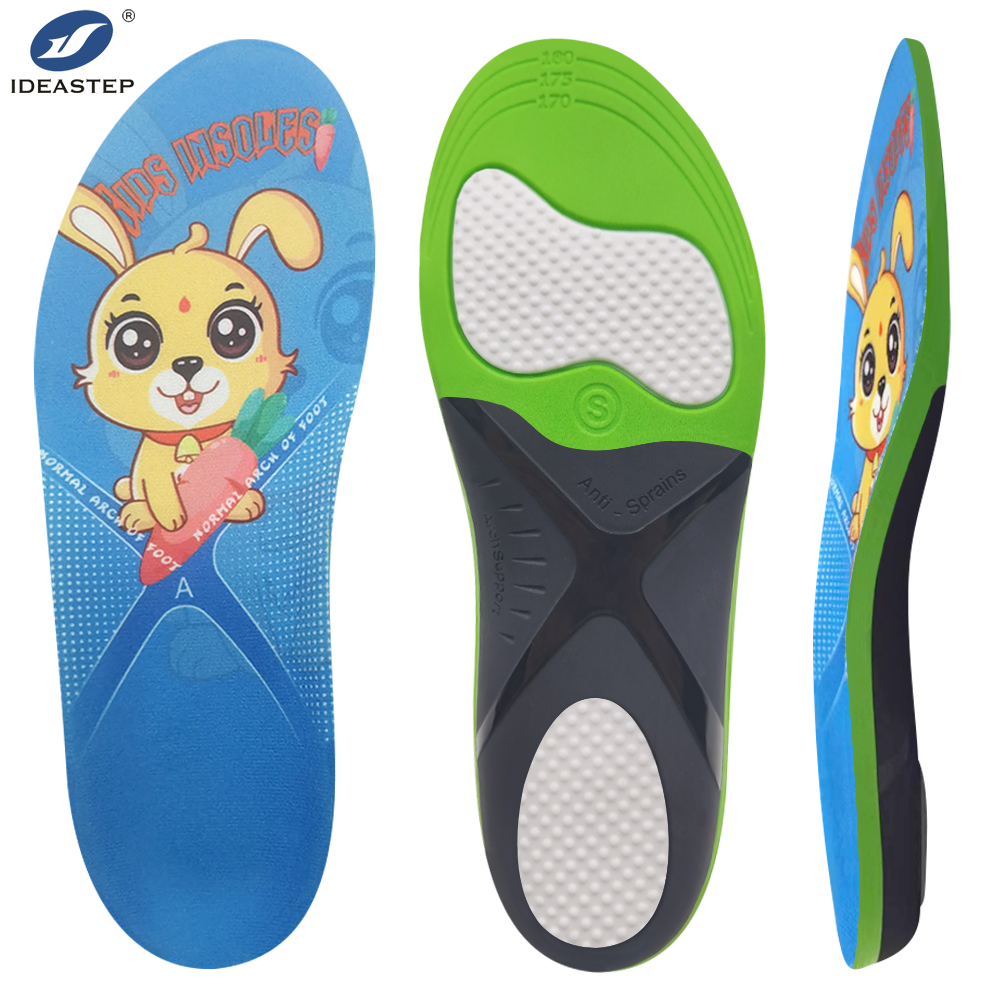
Pediatric Orthotic Insoles are specialized shoe inserts designed to support children’s developing feet through customized structures and material combinations.
During childhood, foot structure continues to change as bones, joints, and soft tissues mature. Because of this, pediatric orthotic designs need to consider factors such as age, activity level, foot shape, and movement patterns.
Compared with regular children’s insoles, pediatric orthotic insoles typically focus on:
- Supporting proper foot alignment
- Improving weight distribution
- Providing cushioning and shock absorption
- Enhancing walking comfort
- Addressing specific biomechanical needs
From a manufacturing perspective, a high-quality pediatric orthotic insole is not simply a soft foam insert. It is an engineered footcare product that combines material selection, structural design, and functional performance.
Why Do Children Need Orthotic Insoles?
Not every child requires orthotic support. However, some children may benefit from additional foot support due to differences in foot development, activity demands, or walking patterns.
Supporting Developing Foot Structure
Children’s feet undergo significant changes throughout growth. Arch formation, muscle coordination, and lower-limb alignment continue developing over time.
Therefore, pediatric orthotic designs should focus on providing appropriate support rather than excessive correction.
A properly designed insole aims to:
- Maintain comfortable foot positioning
- Support natural movement patterns
- Improve pressure distribution
- Reduce unnecessary stress during activity
Helping Address Common Foot and Gait Concerns
Pediatric orthotic insoles are commonly considered for children experiencing:
- Flat feet
- Overpronation
- Out-toeing
- Uneven pressure distribution
- Foot fatigue during walking or sports activities
The purpose of orthotic support is not simply to restrict movement, but to help create a more balanced interaction between the foot, footwear, and ground.
Supporting Active Children
Children today participate in a wide range of physical activities, including running, sports, and outdoor play. These activities increase the demand for comfort, stability, and impact protection.
Well-designed children’s orthotic insoles can provide:
- Additional cushioning
- Better impact absorption
- Improved comfort during extended activity
- More stable foot support
What Conditions Can Pediatric Orthotic Insoles Help With?
The application of pediatric orthotic insoles depends on professional assessment and individual needs. Common situations where additional support may be considered include:
Flat Feet
Some children have lower arches during development. Depending on symptoms and functional requirements, supportive insoles may help improve comfort and pressure distribution.
Overpronation
Excessive inward rolling of the foot during walking may affect overall lower-limb movement. Properly designed support structures can help improve foot stability.
Out-Toeing and Walking Pattern Concerns
Children with unusual walking patterns may benefit from evaluation and customized support solutions.
Sports-Related Foot Discomfort
Active children may experience increased foot stress due to repetitive impact. Cushioning and support features can help improve comfort during physical activity.
Key Design Considerations for High-Quality Pediatric Orthotic Insoles
Creating effective pediatric orthotic insoles requires more than selecting a soft material. Several design factors influence performance.
Age-Specific Support Design
Children of different ages have different levels of foot development.
A suitable pediatric orthotic design should consider:
- Growth stage
- Foot structure
- Activity requirements
- Required support level
The goal is to provide functional assistance while allowing natural movement.
Flexibility and Support Balance
Unlike adult orthotics that may require stronger correction, pediatric designs often require a balance between support and flexibility.
An overly rigid structure may reduce comfort, while insufficient support may not provide the desired function.
Therefore, material hardness and structural design must be carefully optimized.
Pressure Redistribution
A professional orthotic insole helps distribute pressure more evenly across the foot.
Design elements may include:
- Heel cushioning zones
- Arch support areas
- Forefoot pressure-relief sections
- Multi-density foam structures
These features help improve overall comfort during daily activities.
Materials Used in Pediatric Orthotic Insoles
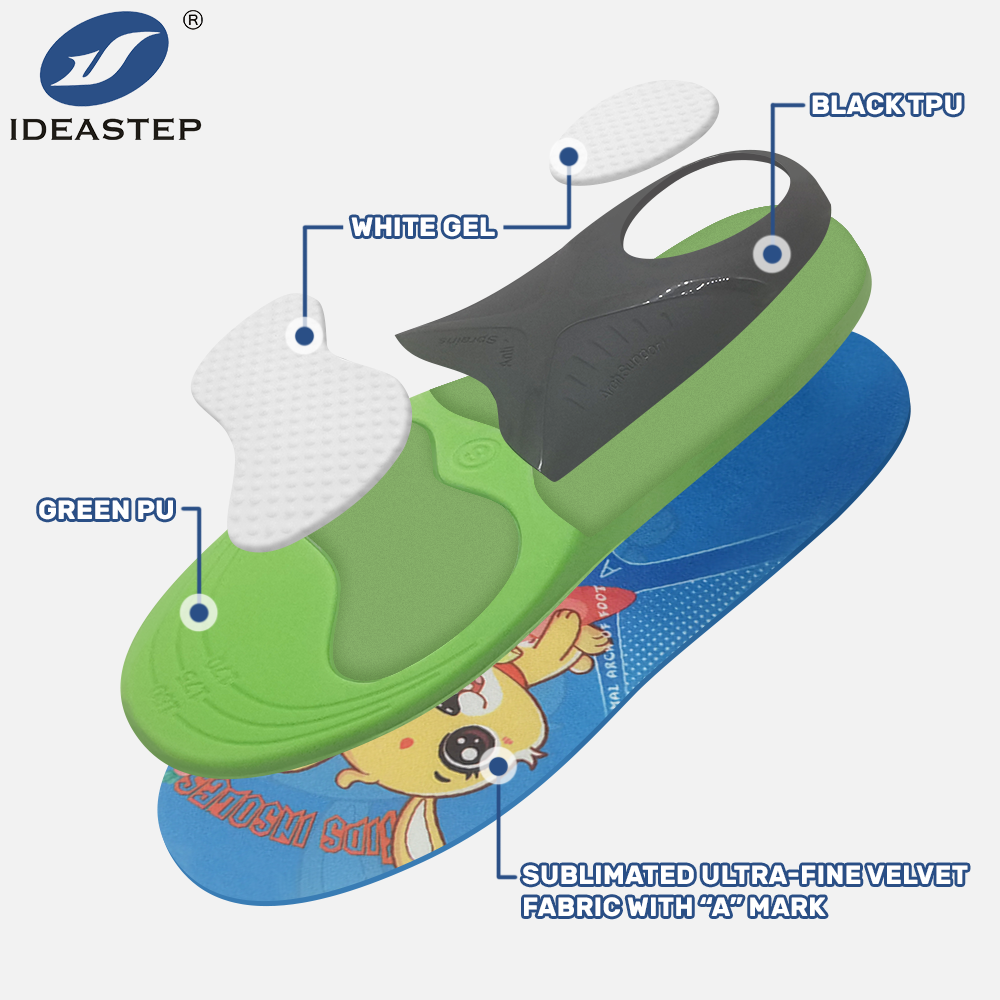
Material selection plays an important role in determining comfort, durability, and functional performance.
EVA Foam
EVA foam is one of the most commonly used materials in pediatric orthotic insoles.
It is valued because:
- Density and hardness can be adjusted
- It provides lightweight cushioning
- It offers good shock absorption
- It is suitable for customized manufacturing
Different EVA formulations allow manufacturers to create softer comfort layers or firmer support components.
PU Foam
PU foam is often selected when additional resilience and long-term cushioning performance are required.
It can provide:
- Comfortable cushioning
- Good recovery performance
- Enhanced durability
TPU Support Components
TPU is commonly used for structural reinforcement.
It provides:
- Increased stability
- Shape retention
- Additional support in targeted areas
Fabric Top Covers
Top cover materials such as mesh, microfiber, or velvet can improve:
- Skin comfort
- Moisture management
- Product appearance
In many pediatric orthotic applications, multiple materials are combined to achieve the right balance of comfort, support, and durability.
Custom Pediatric Orthotic Insoles Manufacturing Process
Producing reliable pediatric orthotic insoles requires a systematic development process.
1. Foot Assessment and Data Collection
The process begins with understanding the specific requirements of the user.
Depending on the application, manufacturers may consider:
- Foot measurements
- Foot scanning data
- Pressure distribution information
- Activity requirements
Accurate information helps create a suitable insole structure.
2. Design and Material Selection
Based on the collected information, engineers determine:
- Insole structure
- Material combination
- Density selection
- Support level
For example, a softer EVA layer may be selected for cushioning, while a firmer component may be added for additional stability.
3. Prototype Development and Testing
Before full production, prototypes are usually evaluated for:
- Shape accuracy
- Comfort
- Fit performance
- Structural durability
This step helps ensure the final product meets functional expectations.
4. Mass Production and Quality Control
For clinics and brands purchasing in volume, consistent manufacturing quality is essential.
A professional supplier should maintain control over:
- Raw material inspection
- Foam density consistency
- Product dimensions
- Final quality checks
Reliable production processes help ensure every batch meets the required specifications.
How Clinics and Brands Choose the Right Pediatric Orthotic Insoles Supplier
Choosing the right manufacturing partner directly influences product quality, reliability, and market success.
Experience in Pediatric Footcare
A supplier with experience in pediatric products understands that children’s orthotic needs differ from adult solutions.
Important considerations include:
- Knowledge of pediatric foot development
- Experience with different material structures
- Ability to provide technical recommendations
OEM and Custom Development Capability
For footwear brands and healthcare companies, customization is often essential.
A capable manufacturer should support:
- Custom product development
- OEM manufacturing
- ODM solutions
- Private labeling
- Custom packaging
Material and Quality Control
Consistent material performance is critical for orthotic products.
Professional manufacturers should have strong control over:
- EVA density
- Material performance
- Production accuracy
- Product consistency
Flexible Production Support
Different customers have different business requirements.
A reliable supplier should be able to support:
- Prototype development
- Trial orders
- Bulk production
- International supply requirements
Pediatric Orthotic Insoles vs Regular Children’s Insoles
| Feature | Pediatric Orthotic Insoles | Regular Children’s Insoles |
|---|---|---|
| Design | Function-oriented and customized | General comfort design |
| Support | Provides structural foot support | Mainly provides cushioning |
| Materials | Multi-density foam and support components | Usually basic foam materials |
| Customization | Available for specific requirements | Limited options |
| Application | Clinical and specialized footcare | Daily comfort use |
Benefits of Working with a Custom Pediatric Orthotic Insoles Manufacturer
For clinics, brands, and distributors, working with an experienced manufacturer provides several advantages.
Customized Product Solutions
Businesses can develop products based on:
- Target customer groups
- Clinical requirements
- Market positioning
Technical Support
Professional suppliers can assist with:
- Material recommendations
- Product structure design
- Prototype improvement
Stable Manufacturing Capability
Reliable production helps businesses maintain:
- Consistent quality
- Supply stability
- Scalable production capacity
Market Differentiation
Customized pediatric orthotic solutions allow brands to offer unique products rather than competing only on price.
Experienced manufacturers such as Ideastep provide OEM and ODM pediatric orthotic insole solutions, helping clinics, distributors, and footwear brands develop customized products with professional material and manufacturing support.
Frequently Asked Questions About Pediatric Orthotic Insoles
Are pediatric orthotic insoles suitable for all children?
No. Pediatric orthotic insoles should be selected based on individual needs and professional assessment. Different children may require different levels of support.
How are custom pediatric orthotic insoles made?
Custom pediatric orthotic insoles are developed through a process that may include foot assessment, design, material selection, prototype testing, and final production.
What materials are commonly used in children’s orthotic insoles?
Common materials include EVA foam, PU foam, TPU support components, and textile top covers. The final material combination depends on the required performance.
Can brands customize pediatric orthotic insoles?
Yes. Professional manufacturers often provide OEM, ODM, private label, and packaging customization services for children’s footcare products.
Final Thoughts: Building Better Footcare Solutions for Children
Pediatric orthotic insoles require a careful balance between support, comfort, flexibility, and age-appropriate design.
For clinics, healthcare providers, and children’s footwear brands, selecting an experienced manufacturing partner can help create reliable footcare products that meet both functional and market requirements.
By combining biomechanical understanding, advanced material selection, and controlled manufacturing processes, customized pediatric orthotic insoles can provide better solutions for children while helping businesses build competitive footcare products.
As demand for personalized children’s footcare continues to increase, professional OEM and ODM manufacturers play an important role in delivering high-quality pediatric orthotic solutions for global markets.
Related product links: https://www.aideastep.com/product/jf-216-5-kids-arch-support-insoles/.