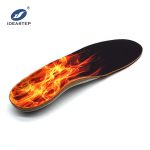
In the footwear industry, comfort has become one of the most important factors influencing consumer purchasing decisions. While shoe design, materials, and appearance remain essential, the insole often determines the actual wearing experience.
For European footwear distributors, finding a reliable custom EVA insoles manufacturer is not only about purchasing a component. It is about developing a product solution that can improve footwear performance, maintain consistent quality, and support long-term market growth.
This case study explains how a European footwear distributor worked with an experienced EVA insole manufacturer to develop customized EVA insoles for different footwear categories. Through material optimization, structural design, and production control, the project helped the customer create more competitive footwear products while improving supply chain reliability.
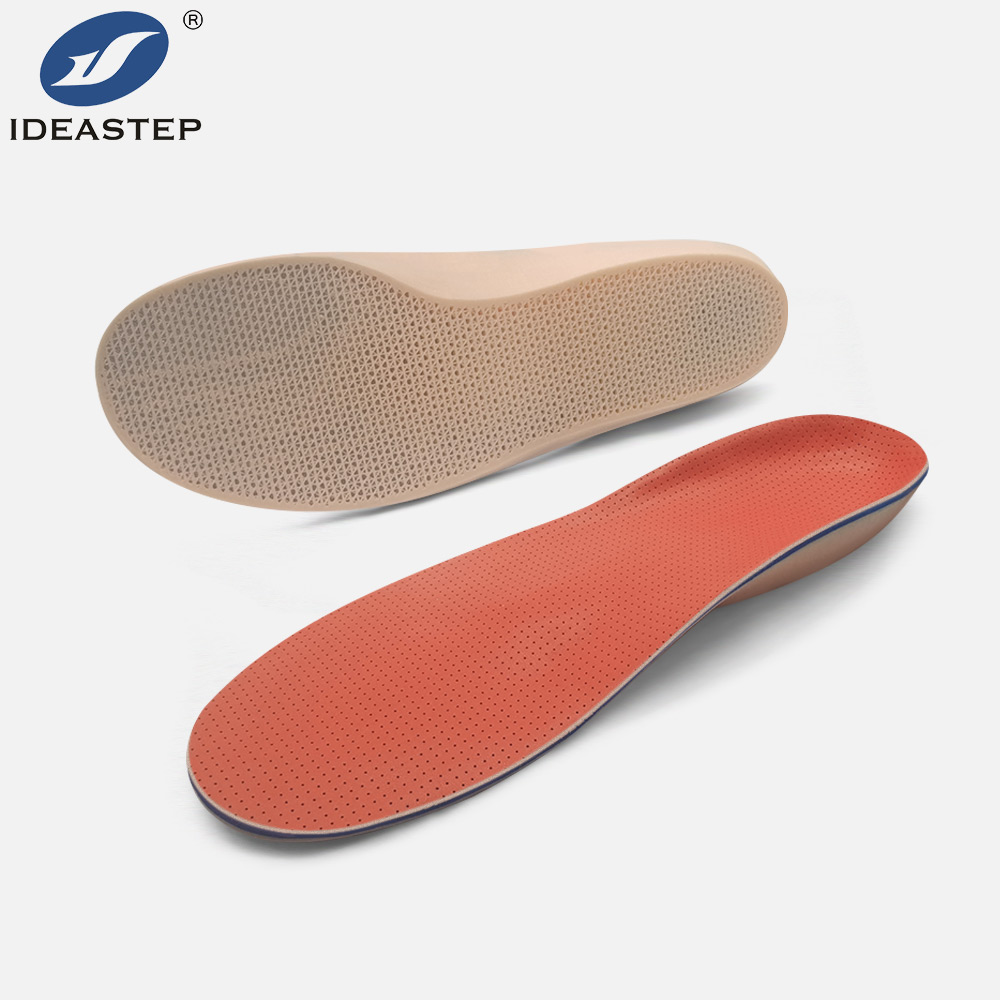
Customer Background: A European Footwear Distributor Looking for a Custom Insole Partner
The customer was a European footwear distributor supplying multiple footwear brands and retail channels. Their product range included casual footwear, work shoes, and comfort-oriented daily footwear.
As consumers in the European market increasingly focused on wearing comfort and functional performance, the distributor found that traditional standard insoles were becoming a limitation rather than a competitive advantage.
The existing insole solutions created several challenges.
Limited Customization for Different Footwear Products
The distributor was using standard insole designs that were difficult to adapt to different shoe structures.
The main issues included:
- Limited thickness options
- Fixed material hardness
- Lack of customized support structures
- Difficulty creating differentiated footwear products
For footwear companies, the insole needs to work together with the shoe upper, outsole, and overall design. A standard solution cannot always meet different market requirements.
Inconsistent Quality Between Production Batches
Another challenge was maintaining stable product performance.
The distributor experienced issues related to:
- Different cushioning levels between batches
- Inconsistent EVA density
- Changes in product feel during long-term use
For European footwear brands, product consistency is critical because customers expect the same comfort experience every time they purchase the product.
Need for a Flexible Development and Supply Partner
The customer was not only looking for a supplier that could produce large quantities. They needed a manufacturing partner capable of supporting the entire development process.
The requirements included:
- Product design assistance
- Prototype development
- Material recommendations
- Bulk production support
- Stable international supply
Therefore, the project required a manufacturer with both technical experience and production capability.
Understanding European Footwear Market Requirements
Before developing the product, it was important to understand the customer’s target market.
European footwear consumers generally place strong emphasis on:
- Daily wearing comfort
- Product durability
- Lightweight construction
- Reliable quality
- Functional footwear performance
For distributors, this means footwear components need to provide measurable value rather than simply reduce cost.
A well-designed insole can improve:
- Cushioning performance
- Foot comfort
- Product differentiation
- Customer satisfaction
This is why more footwear companies are choosing custom EVA insoles instead of relying on standard insole products.
Why EVA Was Selected for This Insole Project
EVA (Ethylene Vinyl Acetate) has become one of the most widely used materials in footwear applications because it provides a practical balance between comfort, weight, and manufacturing flexibility.
For this project, EVA was selected because of several advantages.
Lightweight Performance
Compared with many traditional cushioning materials, EVA foam offers excellent lightweight properties.
By adjusting EVA density, manufacturers can create different performance levels while maintaining low product weight.
This is especially important for:
- Casual footwear
- Sports shoes
- Everyday comfort footwear
where consumers expect both comfort and lightness.
Adjustable Cushioning and Support
One of the biggest advantages of EVA is its flexibility in formulation.
Different EVA structures can provide:
- Softer cushioning layers
- Firmer support areas
- Improved shock absorption
- Better comfort balance
This allows manufacturers to develop insoles based on specific footwear requirements.
Manufacturing Flexibility
EVA is suitable for various manufacturing processes, including:
- Compression molding
- Die cutting
- Layer bonding
- Customized shaping
This flexibility makes EVA an ideal choice for footwear distributors who need customized solutions rather than standard products.
Project Requirements: Developing Custom EVA Insoles
Based on the customer’s market requirements, the project focused on developing EVA insoles that combined comfort, durability, and production stability.
The main development goals included:
Customized EVA Foam Structure
The customer required different specifications for multiple footwear categories.
The engineering team evaluated:
- EVA density
- Hardness level
- Thickness design
- Cushioning requirements
The goal was to create an insole structure that could provide comfortable cushioning while maintaining enough support during daily use.
Improved Comfort for Long-Term Wearing
Since many target products were designed for daily wear, comfort performance was a key requirement.
The insole structure was optimized to improve:
- Heel impact absorption
- Pressure distribution
- Overall foot comfort
Compatibility With Multiple Footwear Categories
The customized EVA insoles were designed for different applications, including:
- Casual shoes
- Work footwear
- Safety shoes
- Comfort footwear
Each application required different considerations regarding:
- Thickness
- Flexibility
- Support level
- Material combination
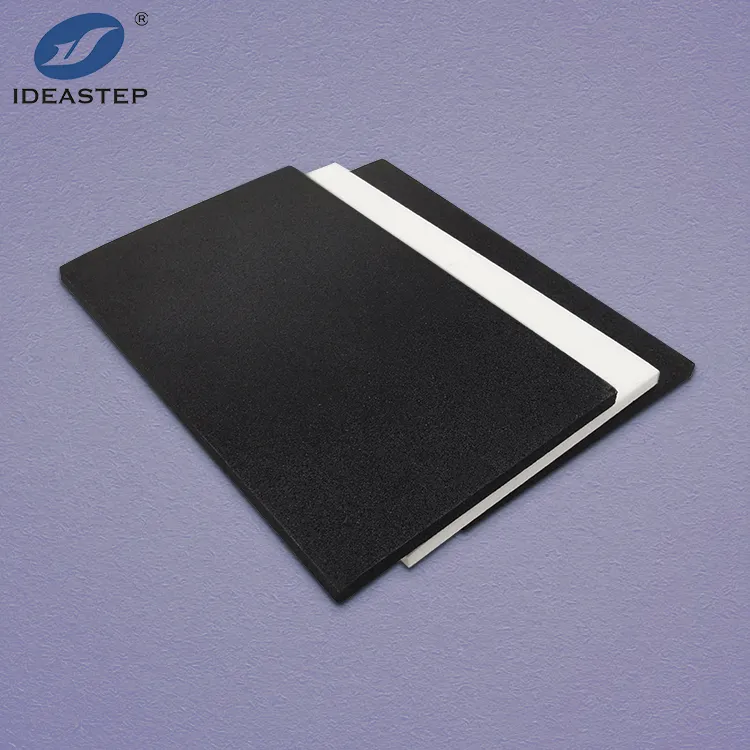
Custom EVA Insole Development Process
Developing a successful insole requires more than producing according to a specification sheet. Material selection, engineering design, and production control all affect final performance.
Material Selection and EVA Formulation Optimization
The first stage involved selecting the appropriate EVA material structure.
The engineering team analyzed:
- Required cushioning level
- Footwear space limitations
- Expected product lifespan
- Target customer positioning
Different EVA formulations were considered to achieve the right balance between:
- Softness
- Resilience
- Durability
- Support
Customized Insole Structure Design
After material selection, the next step was optimizing the insole structure.
The design focused on several functional areas:
Heel Cushioning Area
The heel experiences significant impact during walking. A properly designed cushioning zone helps improve shock absorption and wearing comfort.
Arch Support Area
The arch area was designed to provide balanced support without affecting natural foot movement.
Forefoot Comfort Area
The forefoot section was optimized to improve flexibility and reduce discomfort during extended use.
Prototype Testing and Product Improvement
Before moving into mass production, prototypes were developed and evaluated.
The testing process included:
- Overall shape verification
- In-shoe fitting evaluation
- Thickness adjustment
- Cushioning performance review
During this stage, the engineering team worked with the customer to make adjustments based on actual footwear requirements.
Mass Production and Quality Control
After prototype approval, the project entered the production stage.
Quality control focused on several important areas:
EVA Density Consistency
Stable EVA density helps ensure consistent cushioning performance across different production batches.
Dimensional Accuracy
Precise cutting and molding processes ensure the insoles fit correctly inside different footwear designs.
Product Appearance and Finishing
Surface quality, edge finishing, and overall appearance were inspected to meet professional footwear standards.
Project Results: Creating More Competitive Footwear Solutions
The cooperation successfully delivered customized EVA insole solutions that matched the distributor’s product requirements.
Improved Footwear Comfort
The customized EVA insoles helped improve:
- Cushioning performance
- Wearing comfort
- Overall product experience
Better Product Differentiation
Instead of competing only through price, the distributor could offer footwear with enhanced comfort features.
Customized insoles helped create:
- More functional products
- Higher perceived value
- Stronger brand positioning
More Reliable Supply Chain Support
Through cooperation with an experienced manufacturer, the customer benefited from:
- Stable production quality
- Better communication efficiency
- Flexible customization support
Why Choose a Professional Custom EVA Insoles Manufacturer?
Strong Material Knowledge
EVA performance depends on:
- Material formulation
- Foam density control
- Processing technology
OEM and ODM Development Capability
A capable manufacturer should support:
- Custom product development
- OEM manufacturing
- ODM solutions
- Private label projects
- Packaging customization
Experience in International Supply
Experienced manufacturers such as Ideastep provide customized EVA insole solutions for global footwear brands and distributors, supporting projects from initial concept development to large-scale production.
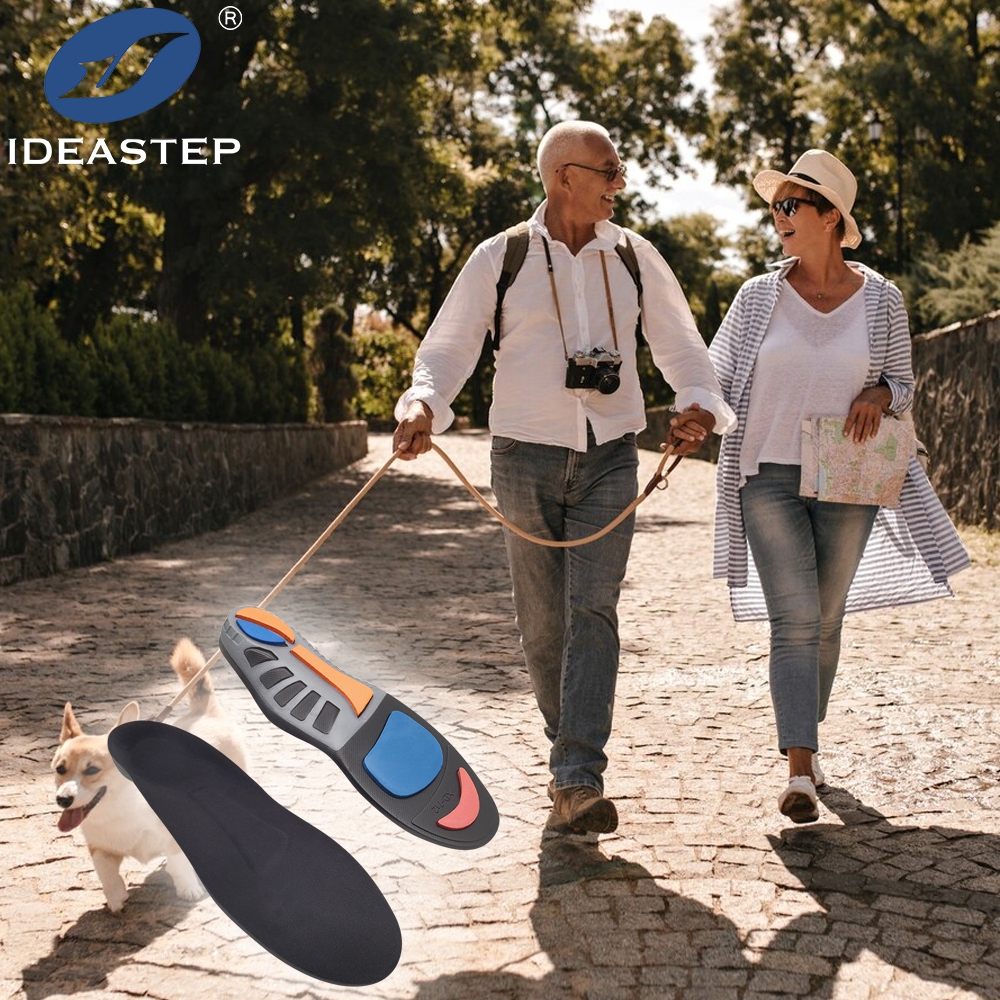
Applications of Custom EVA Insoles
Casual Footwear
- Lightweight cushioning
- Improved comfort
- Better wearing experience
Work Boots and Safety Shoes
- Shock absorption
- Pressure distribution
- Daily comfort
Sports Footwear
- Lightweight materials
- Flexible cushioning
- Impact protection
Footcare and Orthotic Products
- Cushioning layers
- Support structures
- Pressure management designs
Frequently Asked Questions About Custom EVA Insoles
What are custom EVA insoles used for?
Custom EVA insoles are designed to improve footwear comfort, cushioning performance, and functional support.
Can EVA insoles be customized for different footwear brands?
Yes. EVA insoles can be customized according to size, shape, thickness, hardness, logo requirements, and packaging requirements.
How are custom EVA insoles developed?
The development process usually includes material selection, structure design, prototype testing, customer evaluation, and mass production.
What should footwear distributors consider when choosing an EVA insole supplier?
Important factors include material expertise, customization capability, production consistency, quality control, and international supply experience.
Final Thoughts: Building Better Footwear Products With Custom EVA Insoles
For footwear distributors, a high-quality insole is more than a simple shoe component. It is an important part of the overall wearing experience and product value.
This case study demonstrates that successful custom EVA insoles development requires a combination of material expertise, engineering capability, and reliable manufacturing support.
By working with an experienced EVA insole manufacturer, footwear companies can develop products with better comfort, stronger differentiation, and more stable supply performance.
As the footwear market continues to move toward comfort-focused and functional designs, customized EVA insoles will remain an important solution for brands and distributors looking to create competitive footwear products.