EVA material is widely used in footwear, orthotic insoles, sports products, and protective applications because of its lightweight structure, flexibility, and excellent cushioning performance. However, many footwear manufacturers and product developers often ask: Is EVA material slippery?
The answer depends on how the EVA material is formulated, processed, and used. EVA is not inherently a slippery material, but it is also not designed as a dedicated anti-slip material. Its traction performance is influenced by factors such as surface texture, density, hardness, formulation, and the final application.
For manufacturers choosing EVA foam for shoe soles, midsoles, or EVA foam insoles, understanding these factors is essential to achieve the right balance between cushioning, comfort, stability, and grip performance.
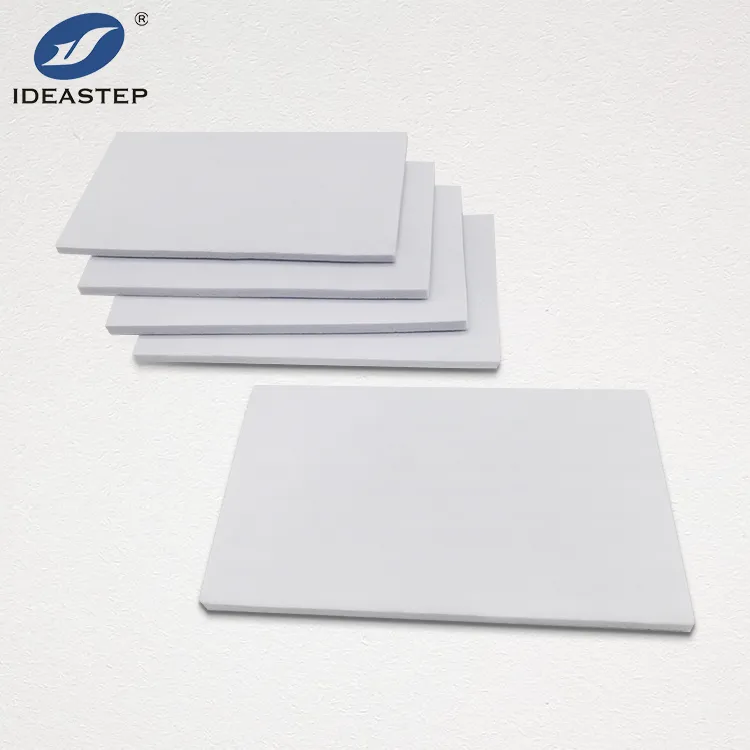
What Is EVA Material and Why Is It Used in Footwear?
EVA, or Ethylene Vinyl Acetate, is a flexible copolymer made by combining ethylene and vinyl acetate. It is widely used in footwear manufacturing because it offers a unique combination of softness, elasticity, durability, and lightweight performance.
Unlike rigid plastics, EVA foam has a cellular structure that allows it to absorb impact and provide cushioning during walking, running, and long periods of standing.
Key Properties of EVA Foam
- Lightweight construction: EVA reduces product weight while maintaining comfort and cushioning.
- Shock absorption: Its foam structure helps absorb impact forces during movement.
- Flexibility: EVA can bend naturally with foot movement, improving wearing comfort.
- Water resistance: EVA performs well in applications exposed to moisture.
- Customizable performance: Density, hardness, thickness, and surface design can be adjusted according to product requirements.
Is EVA Material Naturally Slippery?
EVA is primarily engineered as a lightweight cushioning foam rather than a high-friction material. Therefore, its slip resistance depends largely on the material structure and surface design.
For example, a smooth EVA surface may provide less traction because there are fewer surface features to increase friction. In contrast, textured EVA surfaces can improve contact stability by increasing surface interaction.
This is why EVA used in footwear products is often combined with specific textures, patterns, or other materials to achieve better grip performance.
What Factors Affect EVA Foam Slip Resistance?
The slip resistance of EVA foam is not determined by a single factor. In professional footwear development, manufacturers usually consider several material characteristics together.
1. Surface Texture and Design
Surface structure is one of the most important factors affecting EVA grip performance.
A smooth EVA surface may feel less stable, especially in wet conditions. Adding surface textures, grooves, or embossed patterns can increase friction and improve traction.
For footwear applications, textured EVA designs are commonly used to improve stability without significantly affecting comfort and flexibility.
2. EVA Density and Hardness
Density and hardness influence both the mechanical performance and surface feel of EVA foam.
Higher-density EVA usually provides better support, durability, and compression resistance. However, a harder surface does not always mean better grip.
Lower-density EVA offers a softer and more comfortable feel, but the formulation needs to be carefully controlled to maintain long-term stability.
3. Vinyl Acetate (VA) Content
The vinyl acetate content in EVA affects important properties such as flexibility, softness, elasticity, and resilience.
Higher VA content generally creates a softer and more flexible foam structure, while lower VA content tends to produce a firmer material with greater rigidity.
For different applications, EVA manufacturers adjust the formulation to achieve the required balance between comfort, durability, and performance.
4. Coefficient of Friction (COF)
For footwear-related applications, slip resistance is often evaluated through friction performance, including the coefficient of friction (COF).
The COF value can be influenced by EVA formulation, surface texture, testing conditions, and the type of surface the material contacts.
For manufacturers developing safety footwear, outdoor products, or performance shoes, friction testing can help determine whether the EVA material meets application requirements.
Why Does EVA Sometimes Feel Slippery?
Although EVA is widely used in footwear, there are several situations where it may feel slippery. These situations are usually related to material selection or application conditions rather than the EVA material itself.
Smooth or Untreated EVA Surfaces
New EVA foam sheets or products with smooth surfaces may have lower friction compared with textured materials.
For example, EVA designed mainly for cushioning may not provide the same grip characteristics as rubber-based outsole materials.
Wet or Humid Environments
Moisture can affect friction between surfaces. Water, sweat, or humidity may reduce the contact efficiency between EVA and another surface.
For applications exposed to wet environments, manufacturers often improve performance through surface patterns, material combinations, or specialized formulations.
Incorrect Material Selection
Different products require different EVA characteristics. Selecting a material designed for comfort when the application requires high traction may result in unsatisfactory performance.
For example:
- Running shoes: prioritize lightweight cushioning and flexibility.
- Work boots: require durability and improved traction.
- Orthotic insoles: focus on comfort, support, and pressure distribution.
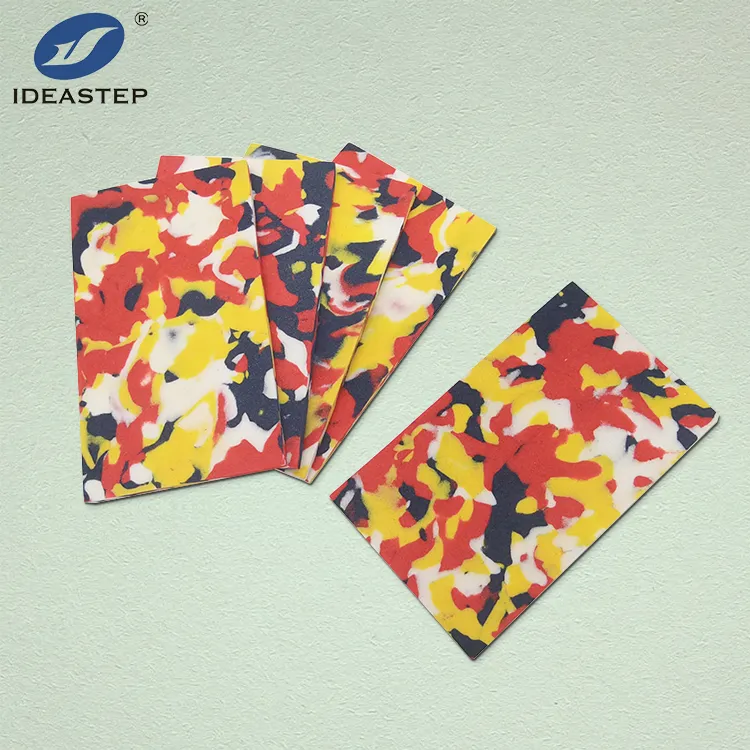
How Can EVA Material Slip Resistance Be Improved?
Manufacturers can improve EVA foam slip resistance through material engineering and product design.
Surface Texturing
Adding surface patterns is one of the most common methods to improve EVA traction.
- Anti-slip patterns
- Embossed textures
- Groove structures
- Micro surface designs
These structures help increase friction while maintaining the lightweight and flexible characteristics of EVA.
Formula Optimization
EVA performance can be customized by adjusting:
- Density
- Hardness
- VA content
- Foaming ratio
- Compression resistance
Professional EVA manufacturers can develop different formulations according to footwear, medical, sports, or industrial requirements.
Combining EVA with Other Materials
In some applications, EVA is combined with other materials to achieve improved performance.
- EVA + Rubber: improves traction and wear resistance for outsole applications.
- EVA + TPU: enhances durability and structural stability.
- EVA + Fabric: improves surface comfort and product appearance.
Is EVA a Good Material for Shoe Insoles?
Although EVA slip resistance is an important consideration in footwear, the primary advantages of EVA in shoe insoles are cushioning, comfort, and customization.
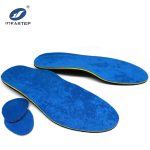
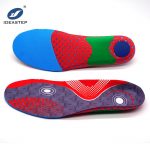
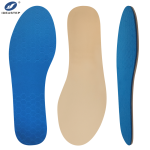
EVA remains one of the most popular materials for EVA insole material because it can be engineered to provide different levels of support and softness.
Advantages of EVA in Orthotic Insoles
- Impact cushioning: Helps reduce pressure during walking and standing.
- Lightweight comfort: Provides support without adding excessive weight.
- Customizable density: Allows different support zones for different foot requirements.
- Easy processing: Suitable for OEM and customized insole production.
For custom orthotic insoles, EVA is often selected because manufacturers can adjust the foam structure to achieve specific levels of cushioning, support, and durability.
EVA vs Other Materials: Which Provides Better Grip?
| Material | Typical Grip Performance | Main Advantages | Common Applications |
|---|---|---|---|
| EVA | Moderate to Good (depending on texture and formula) | Lightweight cushioning and flexibility | Insoles, midsoles, comfort footwear |
| Rubber | Generally High | Excellent traction and wear resistance | Outsoles, safety footwear |
| TPU | Good to High | Durability and structural stability | Performance footwear components |
| PU | Moderate | Comfort and flexibility | Cushioning layers and insoles |
Choosing the Right EVA Material for Different Applications
Selecting the right EVA material requires understanding the final product requirements rather than focusing on one performance feature.
For Footwear Manufacturers
Important factors include:
- Foam density
- Compression resistance
- Flexibility
- Surface design
- Durability requirements
For Orthotic Insole Brands
Key considerations include:
- Foot support performance
- Cushioning level
- Long-term comfort
- Customization options
For Safety and Work Footwear
Applications requiring higher stability should consider:
- Anti-slip surface structures
- Material combinations
- Wear resistance
- Environmental conditions
Frequently Asked Questions About EVA Material
Is EVA foam naturally non-slip?
No. EVA foam is mainly designed for cushioning and flexibility. Its slip resistance depends on surface texture, formulation, and the specific application.
Can EVA foam be used for shoe soles?
Yes. EVA is widely used in midsoles and footwear components because of its lightweight and shock absorption properties. For improved traction, EVA is often combined with textured surfaces or other materials.
Is EVA better than rubber for grip?
Rubber generally provides higher traction, while EVA offers better cushioning, flexibility, and lightweight performance. The best choice depends on the requirements of the final product.
Conclusion: Is EVA Material Slippery?
So, is EVA material slippery? EVA itself is not naturally a slippery material, but its grip performance depends on formulation, surface design, density, and application conditions.
For footwear and orthotic applications, EVA remains a preferred material because it provides an excellent balance of cushioning, flexibility, lightweight performance, and customization possibilities.
With proper material selection and engineering, EVA can be optimized for everything from everyday comfort insoles to professional custom orthotic solutions.
Need Customized EVA Materials or Orthotic Insoles?
If you are looking for reliable EVA foam solutions, customized insole materials, or OEM orthotic products, Ideastep provides customized development and bulk manufacturing support for footwear brands, distributors, and healthcare companies.
Our team can help select the right EVA structure based on your application requirements, including cushioning, support, durability, and production needs.
Contact us to discuss your project or request a free sample.