Footwear manufacturers rely on EVA foam because it delivers a practical balance between cushioning, lightweight construction, flexibility, and production efficiency. From running shoes and casual footwear to professional orthotic products, EVA has become an important material in modern shoe development.
So, what is EVA foam in shoes, and why do brands choose this material for midsoles, insoles, and other footwear components?
EVA foam, short for Ethylene Vinyl Acetate foam, is a lightweight cellular material that helps improve comfort, shock absorption, and overall footwear performance. By adjusting the formulation and manufacturing process, developers can create EVA structures for different applications, including sports shoes, work footwear, and custom orthotic insoles.
For footwear brands, distributors, and insole manufacturers, understanding EVA material properties helps them select the right foam structure for durability, comfort, and market requirements.
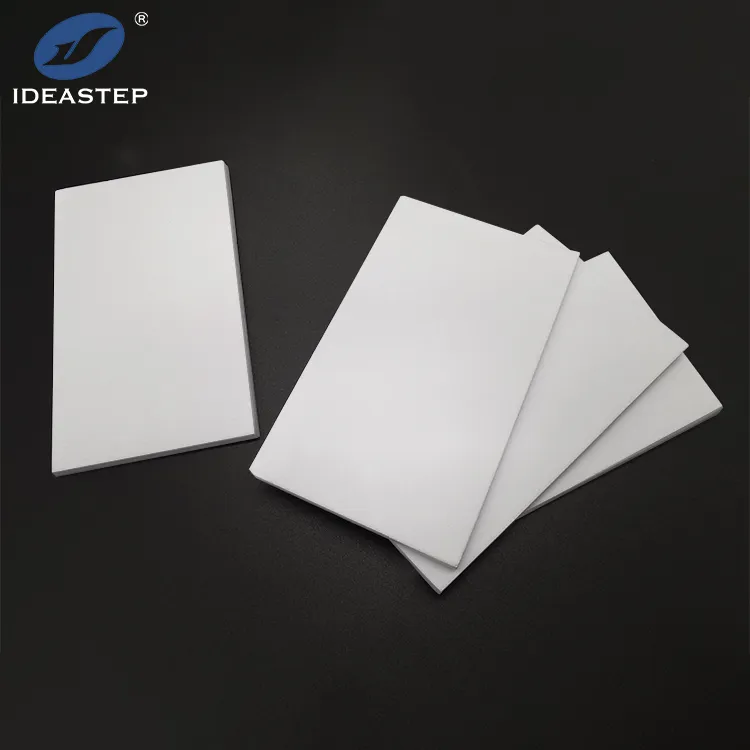
What Is EVA Foam Material?
EVA foam is a closed-cell material produced from Ethylene Vinyl Acetate, a copolymer that combines flexibility with excellent processing characteristics.
Manufacturers create EVA foam by expanding EVA resin through a controlled foaming process. This process forms a lightweight cellular structure that provides cushioning, flexibility, and impact absorption.
Unlike rigid plastic materials, EVA foam allows manufacturers to adjust its physical properties according to different product requirements.
How Do Manufacturers Produce EVA Foam?
EVA foam production involves several important stages:
- Mixing EVA resin with foaming agents and performance additives
- Adjusting formulas according to application requirements
- Controlling temperature and expansion conditions
- Cutting, molding, or laminating foam into finished components
During development, manufacturers focus on key performance factors such as density, hardness, rebound resilience, compression resistance, and cell structure.
These characteristics determine how EVA performs in footwear products, from lightweight running shoes to supportive orthopedic insoles.
Key EVA Foam Properties for Footwear Applications
Different footwear products require different foam characteristics. Material developers evaluate several important parameters before selecting an EVA formulation.
EVA Foam Density
Density affects the relationship between cushioning, support, and durability.
Manufacturers often use lower-density EVA when they need a softer and lighter feel. Higher-density EVA provides stronger support and better resistance against repeated compression.
For example, comfort insoles may require softer EVA structures, while orthotic applications often need firmer materials for improved stability.
EVA Foam Hardness
Hardness determines how EVA feels underfoot and how much support it can provide.
Soft EVA creates a more comfortable cushioning experience, while firmer EVA helps maintain structural support during long-term use.
Footwear developers select different hardness levels depending on whether the product focuses on comfort, performance, or corrective support.
Compression Set Performance
Compression set measures how well EVA foam returns to its original shape after repeated compression.
During footwear testing, manufacturers compress EVA repeatedly to evaluate whether the material can maintain cushioning performance over time.
A lower compression set value usually indicates better long-term resilience.
Rebound Resilience
Rebound resilience describes how quickly EVA recovers after impact.
Balanced rebound performance helps footwear provide a comfortable and responsive feel during walking, running, and daily activities.
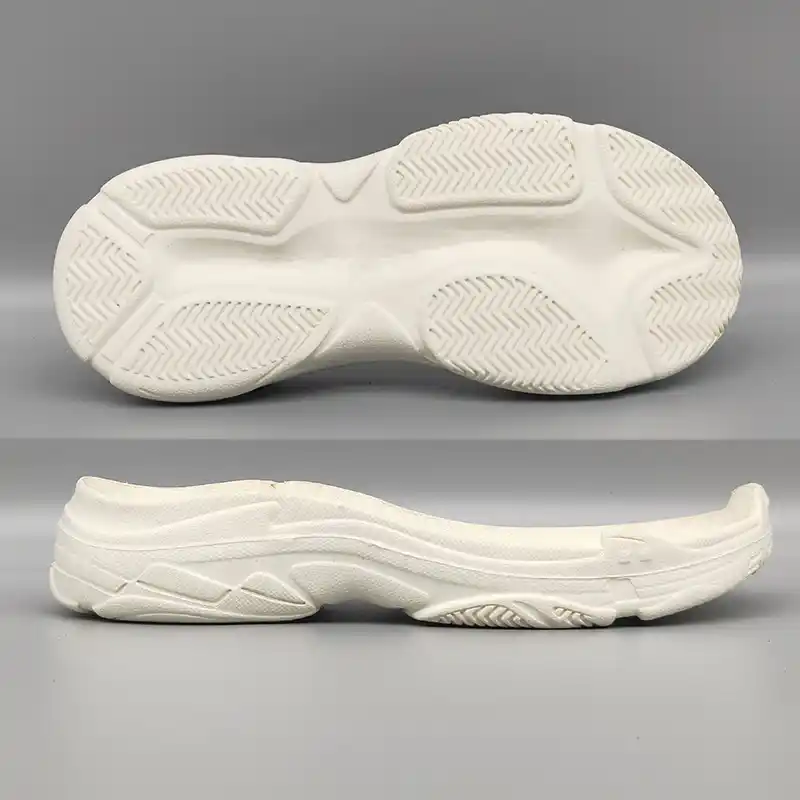
Why Do Footwear Manufacturers Choose EVA Foam?
EVA remains popular in footwear because it combines several advantages that manufacturers need when developing comfortable and competitive products.
Lightweight Construction
Weight plays an important role in footwear design. EVA helps brands create lightweight products without sacrificing cushioning performance.
Many manufacturers use EVA in:
- Running shoes
- Walking shoes
- Sports footwear
- Casual footwear
A lighter shoe can improve wearing comfort, especially for users who spend many hours walking or standing.
Cushioning and Shock Absorption
EVA foam absorbs impact through its cellular structure, making it suitable for footwear that requires underfoot comfort.
Shoe developers often select EVA for midsoles because it helps reduce the feeling of impact during movement while maintaining a lightweight design.
Flexibility and Comfort
EVA follows natural foot movement because of its flexible foam structure.
This characteristic makes EVA suitable for products that require daily comfort, including casual shoes, sports footwear, and EVA foam insoles.
Customization Capability
A major advantage of EVA lies in its customization potential.
Manufacturers can modify EVA characteristics by adjusting:
- Density
- Hardness
- Thickness
- Color
- Surface texture
- Material combinations
This flexibility allows footwear brands to develop products with different comfort levels, support requirements, and price positions.
Where Is EVA Foam Used in Shoes?
Manufacturers use EVA foam in different footwear components depending on the required performance. The most common applications include midsoles, insoles, and comfort layers.
EVA Foam for Shoe Midsoles
The midsole plays a key role in cushioning and impact control. Many running and sports shoe manufacturers choose EVA as a midsole material because it provides a good balance between softness, flexibility, and weight.
EVA midsole materials help footwear achieve:
- Lightweight cushioning
- Impact absorption
- Walking comfort
- Flexible movement
EVA Foam Insoles
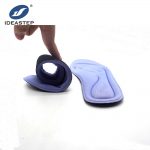
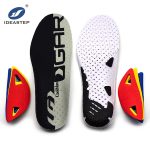
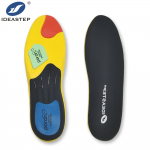
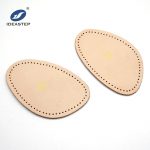
EVA foam insoles remain one of the most common applications in the footwear industry.
Insole manufacturers choose EVA because they can adjust the foam structure to achieve different levels of cushioning and support.
EVA insoles can help improve:
- Underfoot comfort
- Pressure distribution
- Shock absorption
- Foot support
EVA in Custom Orthotic Insoles
Orthotic manufacturers often select EVA because different areas of the insole can use different hardness levels.
Softer EVA zones provide cushioning, while firmer areas improve support and stability. This design approach allows brands to develop customized solutions for different foot conditions and usage requirements.
For medical foot care products and professional footwear solutions, EVA offers manufacturers a flexible material platform for customized development.
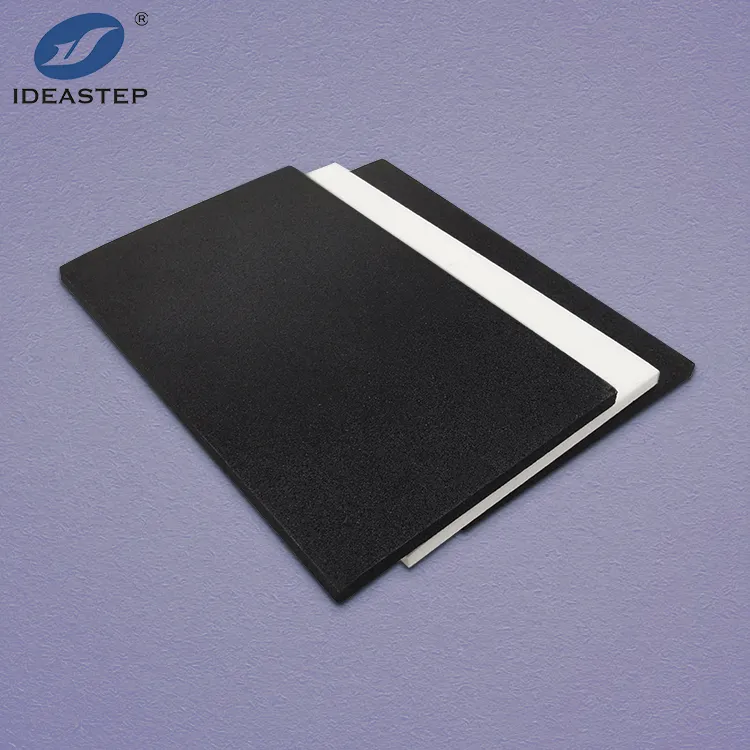
Different Types of EVA Foam Used in Footwear
Not all EVA foam performs in the same way. Footwear manufacturers select different EVA structures according to the product’s comfort, support, durability, and performance requirements.
Soft EVA Foam
Soft EVA foam focuses on comfort and cushioning. Its flexible structure creates a softer underfoot experience, making it suitable for products where comfort is the primary requirement.
Common applications include:
- Comfort insoles
- Casual footwear
- Cushioning layers
- Lifestyle shoes
High Density EVA Foam
High density EVA provides stronger support and improved resistance against repeated compression.
Manufacturers often choose this type of EVA for applications that require more structural stability, such as:
- Orthotic insoles
- Support footwear
- Work footwear components
- Protective footwear products
Heat Moldable EVA Foam
Heat moldable EVA allows manufacturers to create customized shapes through controlled heating processes.
This characteristic makes it valuable for personalized footwear applications, including:
- Custom orthotics
- Medical footwear
- Individualized foot support products
By adjusting temperature, density, and hardness, manufacturers can develop EVA solutions that match specific fitting requirements.
How EVA Hardness Affects Shoe Performance
EVA hardness plays an important role in determining how footwear feels and performs. Choosing the wrong hardness level may affect comfort, support, and product lifespan.
| EVA Hardness Level | Main Characteristics | Typical Applications |
|---|---|---|
| Soft EVA | Comfortable, flexible, cushioning-focused | Comfort insoles, casual footwear |
| Medium EVA | Balanced cushioning and support | Running shoes, walking shoes |
| Firm EVA | Higher support and stability | Orthotic insoles, work footwear |
For footwear brands, selecting the correct EVA hardness depends on the target users, product positioning, and expected performance.
Why Footwear Brands Need Customized EVA Solutions
Different markets require different footwear characteristics. A running shoe brand, a medical insole company, and a work footwear manufacturer usually have different material requirements.
Professional EVA suppliers help brands develop suitable solutions by adjusting:
- Foam density
- Hardness levels
- Thickness design
- Surface structures
- Layer combinations
- Color and appearance
For OEM and ODM projects, customized EVA development allows brands to create products that match their target customers instead of relying on standard materials.
EVA Foam vs Other Shoe Materials
EVA is not designed to outperform every footwear material in every category. Instead, manufacturers choose EVA because it provides a balanced combination of cushioning, weight reduction, flexibility, and production efficiency.
| Material | Main Advantages | Common Applications |
|---|---|---|
| EVA | Lightweight cushioning, flexibility, easy customization | Midsoles, insoles, comfort footwear |
| Rubber | High abrasion resistance and traction | Outsoles, safety footwear |
| PU | Good cushioning and durability | Insoles, cushioning layers |
| TPU | High strength and wear resistance | Performance footwear components |
EVA vs Rubber
Rubber generally provides stronger wear resistance and traction, making it suitable for outsole applications.
EVA, however, offers advantages in weight reduction and cushioning, which is why many footwear manufacturers use EVA in midsoles and insoles.
EVA vs PU
PU provides good durability and cushioning performance, while EVA offers lighter weight and easier customization.
Manufacturers often select between EVA and PU based on the required balance between comfort, durability, production cost, and application environment.
EVA vs TPU
TPU provides excellent strength and abrasion resistance, while EVA focuses more on lightweight comfort and shock absorption.
Some advanced footwear designs combine different materials to achieve improved overall performance.
How to Choose the Right EVA Foam for Shoes?
Selecting the right EVA material requires manufacturers to evaluate the final product requirements rather than focusing on a single performance factor.
For Footwear Manufacturers
Shoe manufacturers should consider:
- Required cushioning level
- Compression resistance
- Weight targets
- Production process compatibility
- Expected product lifespan
For example, a lightweight running shoe may prioritize rebound and flexibility, while a work shoe may require higher density and durability.
For Orthotic Insole Brands
Orthotic product developers should focus on:
- Hardness distribution
- Support requirements
- Pressure management
- Long-term comfort
- Customization capability
EVA provides flexibility for developing different support zones within one insole structure, making it a common choice for customized foot care products.
For Medical Foot Care Products
Healthcare-related footwear products usually require stable material performance and reliable production consistency.
Manufacturers often evaluate:
- Material quality consistency
- Production capability
- Customization support
- Supply reliability
Frequently Asked Questions About EVA Foam in Shoes
What is EVA foam used for in shoes?
Footwear manufacturers use EVA foam mainly for midsoles, insoles, and cushioning components. The material helps improve comfort, shock absorption, and lightweight performance.
Is EVA foam suitable for custom orthotic insoles?
Yes. Orthotic manufacturers often choose EVA because they can adjust density and hardness to create different levels of cushioning, support, and stability.
Is EVA better than rubber for shoes?
EVA and rubber serve different purposes. EVA provides lightweight cushioning, while rubber offers stronger abrasion resistance and traction. The better choice depends on the footwear application.
How long does EVA foam last in shoes?
The service life of EVA depends on material density, usage conditions, compression resistance, and product design. Higher-quality EVA formulations usually maintain performance for a longer period.
Conclusion: Why EVA Foam Remains an Important Shoe Material
So, what is EVA foam in shoes? EVA foam is a versatile footwear material that helps manufacturers create products with improved cushioning, comfort, flexibility, and lightweight performance.
From EVA midsole materials to EVA foam insoles and custom orthotic applications, EVA continues to support innovation across the footwear industry.
For footwear brands, distributors, and healthcare product companies, choosing the right EVA formulation and manufacturing partner plays an important role in developing reliable and competitive products.
Need Custom EVA Foam Solutions?
Ideastep provides customized EVA foam solutions and OEM manufacturing services for footwear brands, insole companies, and healthcare product developers.
Our team supports material selection, foam customization, and product development based on requirements for cushioning, support, durability, and production volume.
Whether you need EVA foam sheets, customized insole materials, or complete OEM orthotic solutions, we can help develop the right material structure for your application.
Contact us to discuss your EVA project or request a free sample.
Related Articles: Is EVA Material Slippery?.