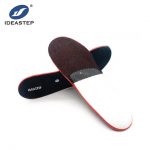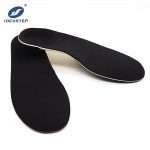
Choosing the right outsole material is essential for footwear manufacturers who need to balance comfort, durability, and production efficiency. Among different footwear materials, EVA Foam Outsole Material has become a popular choice for sports shoes, casual footwear, and industrial applications due to its lightweight structure, cushioning performance, and flexible customization options.
For shoe brands, OEM manufacturers, and material buyers, working with an experienced EVA foam supplier helps ensure consistent quality, suitable material performance, and reliable bulk production.
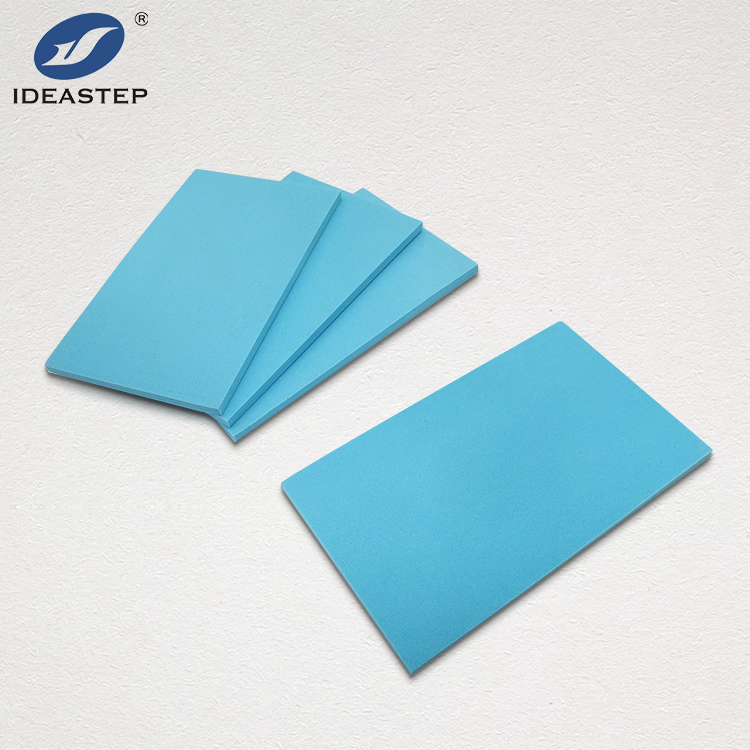
What Is EVA Foam Outsole Material?
EVA (Ethylene Vinyl Acetate) is a lightweight closed-cell foam material widely used in footwear manufacturing. By adjusting density, hardness, rebound, and formulation, EVA can be customized for different footwear requirements.
Compared with many traditional sole materials, EVA provides an excellent balance of cushioning, flexibility, and weight reduction, making it suitable for various footwear applications.
Why Footwear Manufacturers Choose EVA Foam
Lightweight and Comfortable
EVA foam helps reduce overall shoe weight while maintaining cushioning performance. This makes it ideal for footwear where comfort and flexibility are important, including running shoes, sneakers, and daily walking footwear.
Cushioning and Shock Absorption
The cellular structure of EVA helps absorb impact during walking, running, and standing activities. Different EVA densities allow manufacturers to create products with different levels of softness, support, and shock absorption.
Flexible and Easy to Customize
EVA can be adjusted in terms of hardness, density, thickness, and color to meet different product requirements. This flexibility makes it suitable for OEM footwear projects and customized shoe designs.
Durable Performance
With the right formulation, EVA can provide good compression resistance and long-term performance. Higher-density EVA is often selected for applications that require stronger support and durability.
EVA Foam Applications in Different Footwear
EVA Foam for Sports Shoes
Sports footwear requires lightweight cushioning and energy return. EVA is commonly used in running shoes, training shoes, and athletic footwear because it helps improve comfort during movement.
Key requirements include:
- Shock absorption
- Lightweight construction
- Rebound performance
EVA Foam for Casual Footwear
For casual shoes and lifestyle footwear, comfort and flexibility are major priorities. EVA provides a soft underfoot feel while supporting lightweight shoe designs.
EVA Foam for Industrial and Work Shoes
Industrial footwear requires materials that can support long periods of standing and daily wear. EVA helps improve cushioning and reduce foot pressure when used in work shoes and safety footwear.
Key EVA Foam Specifications for Shoe Manufacturing
When selecting EVA materials, footwear manufacturers usually consider several important factors:
- Density: Influences weight, support, and durability.
- Hardness: Determines softness, stability, and wearing feel.
- Rebound: Affects energy return and dynamic performance.
- Compression Resistance: Impacts long-term material performance.
The right specification depends on the footwear category, target market, and expected product performance.
Custom EVA Foam Solutions for Footwear Brands
Different footwear projects require different material solutions. A professional EVA foam manufacturer should be able to provide customized options based on product requirements.
Customization services may include:
- Different density and hardness options
- Customized thickness and dimensions
- Color development
- EVA foam sheet solutions
- OEM bulk production support
These capabilities allow footwear brands to develop products that match their market positioning and performance goals.
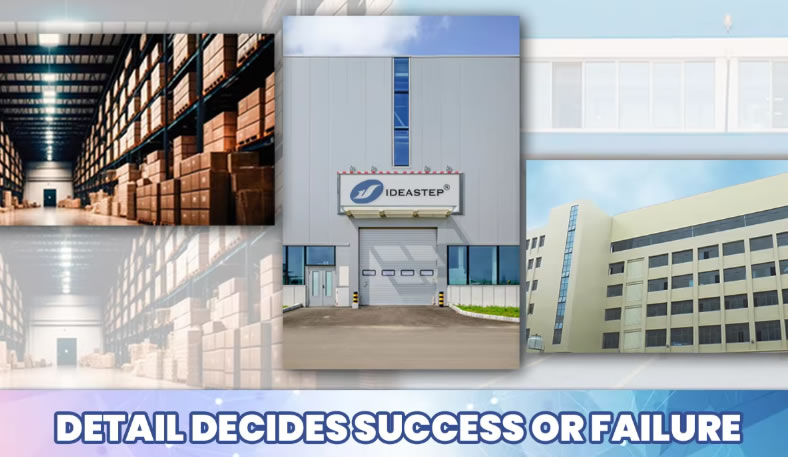
How to Choose a Reliable EVA Foam Supplier?
Selecting the right EVA supplier is an important step for footwear manufacturers. A reliable partner should provide:
- Stable material quality: Consistent density, hardness, and performance.
- Technical support: Recommendations based on footwear applications.
- Customization capability: Flexible solutions for OEM projects.
- Reliable production capacity: Support for bulk orders and long-term cooperation.
Conclusion: EVA Foam Remains a Preferred Choice for Footwear Manufacturing
With its lightweight structure, cushioning ability, flexibility, and customization potential, EVA Foam Outsole Material continues to be an important solution for modern footwear manufacturing.
From sports shoes and casual footwear to industrial applications, EVA provides manufacturers with a practical balance of comfort, performance, and production efficiency.
For companies looking for reliable EVA material solutions, partnering with an experienced EVA Foam Sheet Supplier can help achieve consistent quality and long-term supply stability.
Related product links: https://www.aideastep.com/eva/.