Beyond Full Length Orthotics: Why 3/4 Insoles Fill A Gap In Your Wholesale Catalog
Footwear brands and wholesale distributors often face one recurring problem when adding orthotic products: full-length orthotics simply do not work for a large portion of shoe styles. Dress shoes, slim loafers, many work and tactical boots have limited toe-box room. Drop in a full-length orthotic, and the fit becomes cramped. End users end up returning the shoes or discarding the inserts entirely.
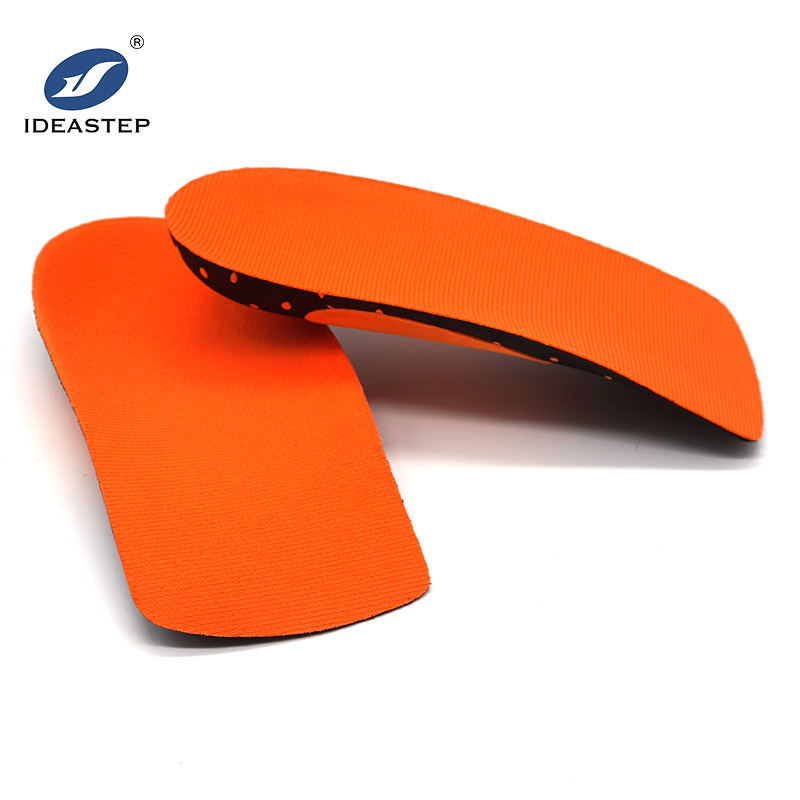
This is where 3/4 length orthotic insoles carve out their niche. They stop before the forefoot, preserving the original shoe toe space while retaining critical support at the heel, arch and metatarsal area. For B2B buyers, this is not just a different product — it is a way to serve customer segments previously locked out from orthotic accessories. You do not need to redesign shoe lasts or invest in new shoe tooling to add this product line.
Commercial Upsides Of Adding 3/4 Orthotic Insoles To Your Wholesale Range
The biggest advantage of 3/4 orthotic insoles for wholesale partners lies in operational flexibility. Compared to full-length orthotics, they take up less space in cartons and warehouses. Freight and storage costs drop, especially important when importing large batches across oceans.
They also reduce inventory risk. A single size set works across many shoe categories, so you avoid holding dozens of SKUs for different shoe silhouettes. Retail and clinic partners love this versatility; they can bundle these inserts alongside existing shoe sales to boost average order value, rather than only selling orthotics as standalone purchases. This creates repeat bulk orders for your business.
Technical Benchmarks To Vet Before Bulk Purchasing 3/4 Orthotic Insoles
Many buyers judge samples only by comfort out of the box, but short-term softness can hide poor long-term performance. When evaluating suppliers, start with mechanical structure. Heel cup depth controls foot stability, arch stiffness dictates correction strength, and metatarsal pad placement directly impacts pressure relief. Misplaced metatarsal pads are one of the top hidden drivers of retail complaints.
Material selection should align with your target market use case. Rigid PP substrate is built for heavy support for standing workers. EVA foam works well for everyday moderate correction. Moisture-wicking top fabrics fit active use cases, while smooth thin surface layers are better suited for dress shoe applications.
Always confirm trimming tolerances. Good 3/4 orthotics include a small margin so your retail customers can trim edges for narrow lasts. Request lab reports covering compression fatigue and abrasion resistance. These test results protect your brand when selling into EU and North American markets.
Field Tested Sourcing Tips For B2B Buyers
Do not rely only on supplier product sheets. Build a simple sample testing workflow before committing to large orders. Fit samples into your core shoe styles, check edge finish, and run repeated compression tests to see how quickly support breaks down over use.
Talk through OEM options early. Reliable manufacturers can add custom embossed logos, adjust surface fabrics, and supply ready-made retail packaging so your wholesale clients can shelf products right away. Clarify MOQ and lead times, and ask about small trial batch options. A small test run lets you gather feedback from your retail partners before scaling volume.
Make compliance documents part of your vendor checklist. Confirm all required certification and test documentation is available for your target regions, to avoid customs delays and liability concerns.
Common Sourcing Mistakes That Hit Wholesale Brands Hard
The most costly error is chasing the lowest unit price without verifying support durability. Cheap inserts lose their arch shape quickly. This leads to returns, damages your brand reputation and erodes trust with your retail buyers.
Fit calibration is another frequent oversight. If the insole profile is too long, it presses against the base of toes inside slim footwear. If it ends too short, it fails to deliver the targeted metatarsal pressure relief. Many buyers also underestimate labeling requirements. Missing or non-compliant product labeling can hold shipments at ports. Poor size ratio planning can also leave you stuck with slow-moving stock.
Customization Strategies To Differentiate Your 3/4 Orthotic Insole Offerings
Commodity orthotic inserts compete purely on price. Custom features help your wholesale portfolio stand out. Tiered stiffness grades are a simple, effective strategy: one variant for everyday casual wear, and a reinforced heavy-duty version for people spending long hours standing.
Custom fabric colours and logo embossing let you build private-label lines for your brand clients. Pre-built retail packaging is another strong selling point for clinics and shoe retailers. Ready-packaged products cut down their in-house labour and make your bulk offer much more attractive compared to generic unbranded alternatives.
FAQ
What is the difference between 3/4 orthotic insoles and full length orthotics for wholesale?
3/4 orthotic insoles terminate before the toe box. This slimmer profile fits narrow footwear such as loafers and dress shoes, while full-length orthotics fill the entire shoe cavity and often require larger shoe toe boxes. For wholesale, 3/4 models unlock new footwear categories where full orthotics cannot fit.
Can 3/4 length orthotic insoles be custom branded for my footwear line?
Yes. Qualified manufacturers support OEM branding including logo embossing, fabric selection and custom retail packaging for bulk orders.
What MOQ should I expect for bulk orders of 3/4 orthotic insoles?
MOQ changes based on customisation. Stock standard designs carry lower minimums. Fully custom molded orthotics require higher volumes. Most suppliers support small trial batches for brand validation.
Which shoe styles work best with 3/4 orthotic inserts?
They work best for loafers, dress shoes, work boots and narrow casual footwear where full-length orthotics create uncomfortable crowding in the toe area.
Conclusion
3/4 length orthotic insoles fill a critical gap in wholesale orthotic portfolios. They expand the range of shoes compatible with arch support, keep logistics costs manageable and let brands test orthotic product lines without heavy upfront investment. Success hinges on careful technical validation, sample testing and supplier vetting before committing to mass orders.
If you are looking for a trusted manufacturer for bulk 3/4 length orthotic insoles, our team offers OEM customisation, sample evaluation and full technical documentation tailored for footwear wholesalers and brands. Get in touch to go over your sourcing plan.
Recommended Reading:
Why 3/4 High Arch Support Insoles Drive Better Margins For Your Orthotic Product Mix
3/4 Length Orthotic Insoles Bulk Sourcing Guide For Footwear Wholesalers