Magnetic insoles have become a growing product category in the foot care market as brands look for differentiated footwear accessories. For footwear companies, distributors, and retailers, developing magnetic insoles for shoes requires careful consideration of product structure, material selection, and manufacturing capabilities.
A successful magnetic insole is not simply created by adding magnetic components. Overall performance depends on the combination of cushioning materials, support structures, comfort features, and production quality.
Working with an experienced OEM insole manufacturer allows businesses to develop customized magnetic insoles with flexible designs, private-label options, and reliable wholesale production.
This guide covers the key materials, OEM development process, and important factors buyers should consider when sourcing magnetic insoles.
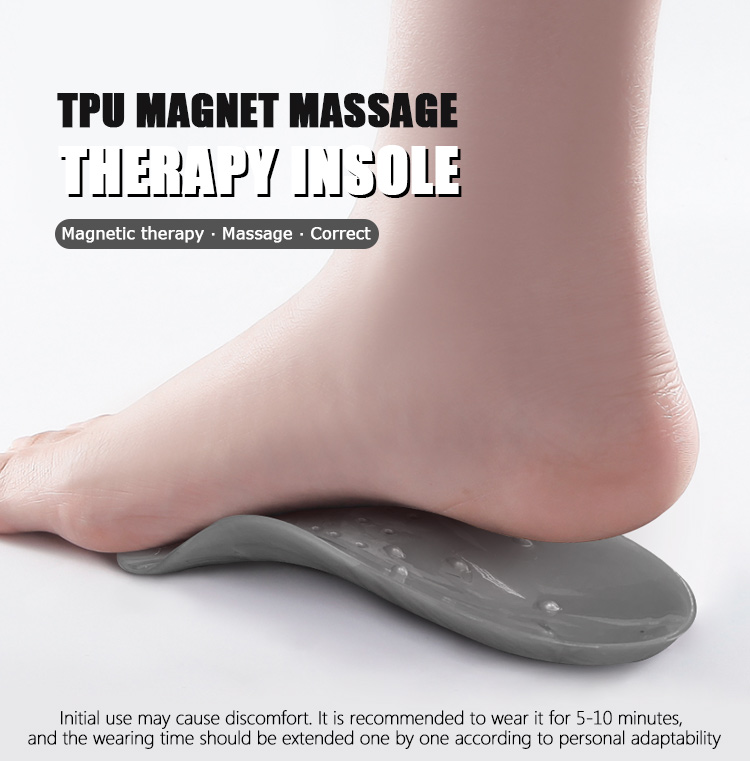
What Are Magnetic Insoles for Shoes?
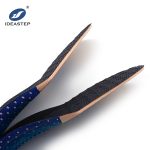
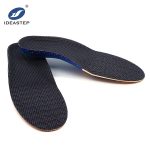
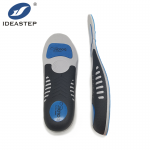
Magnetic insoles are footwear inserts that integrate small magnetic components into the insole structure. They are generally positioned as comfort and wellness footwear accessories and are commonly combined with traditional insole technologies.
A well-designed magnetic insole usually includes multiple functional layers:
- Top cover layer for breathability and wearing comfort
- Cushioning layer for shock absorption
- Support layer for improved stability
- Base layer for durability and structural balance
- Magnetic components integrated into the design
The overall insole construction plays an important role in comfort, durability, and product positioning. For manufacturers, selecting the right combination of materials and structures is essential for different market applications.
Why Brands Develop Magnetic Insoles
The footwear accessory market is highly competitive, and many companies are looking for products that offer additional value beyond standard cushioning.
Product Differentiation
Custom magnetic insoles allow brands to create unique product lines with different designs, packaging, and market positioning. This helps businesses avoid competing only on price.
Market and Private Label Opportunities
Magnetic insoles can be developed for various applications, including:
- Comfort footwear brands
- Foot care retailers
- Wellness product distributors
- Specialty shoe stores
- Online footwear businesses
For private-label projects, OEM manufacturers can support custom branding, packaging, and product specifications to match different customer groups.
Materials Used in Magnetic Insoles Manufacturing
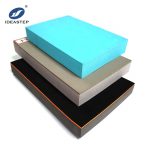
Material selection directly affects comfort, durability, flexibility, and product cost. Professional manufacturers usually combine several materials to create a balanced insole structure.
| Material | Application | Advantages |
|---|---|---|
| EVA Foam | Cushioning layer | Lightweight, flexible, shock absorption, cost-effective |
| PU Foam | Comfort layer | Durable cushioning and long-term performance |
| Memory Foam | Pressure-relief layer | Soft feel and enhanced comfort |
| TPU | Support structure | Improves stability and reinforcement |
| Fabric Top Cover | Surface layer | Breathability and moisture control |
Multi-Layer Insole Construction
Different markets require different product structures. For example:
- Retail comfort insoles may focus on softness, appearance, and daily wear comfort.
- Premium support insoles may require higher-density foam and additional structural reinforcement.
Experienced manufacturers recommend materials based on the target market, price range, and expected product performance.
OEM Customization Options for Magnetic Insoles
For brands and distributors, OEM manufacturing provides flexibility to develop products according to specific market requirements.
Custom Product Design
Manufacturers can customize:
- Insole thickness
- Cushioning density
- Arch support structure
- Heel support design
- Material combinations
- Magnetic component placement
Different combinations allow businesses to create products for various footwear categories and customer preferences.
Private Label Services
OEM suppliers can also provide:
- Logo printing
- Customized packaging
- Product labeling
- Color selection
- Retail-ready solutions
These services help brands build a consistent product identity without investing in their own manufacturing facilities.
How OEM Magnetic Insoles Are Developed
A reliable OEM development process usually includes four stages.
1. Product Requirement Discussion
The manufacturer first evaluates:
- Target customers
- Product application
- Market positioning
- Required features
- Expected price range
Understanding the project requirements helps determine the most suitable product structure.
2. Design and Material Selection
Engineers recommend appropriate materials and construction methods based on product goals.
Important considerations include:
- Cushioning performance
- Flexibility
- Support level
- Product thickness
- Usage environment
3. Sample Development and Evaluation
Prototype samples are produced for testing and approval.
Buyers can evaluate:
- Comfort
- Fit
- Appearance
- Material performance
- Overall product quality
Sample evaluation allows adjustments before bulk production.
4. Mass Production and Quality Control
After approval, production follows standardized procedures to maintain consistency.
Quality management typically includes:
-
- Material inspection
- Production monitoring
- Finished product checking
- Specification control
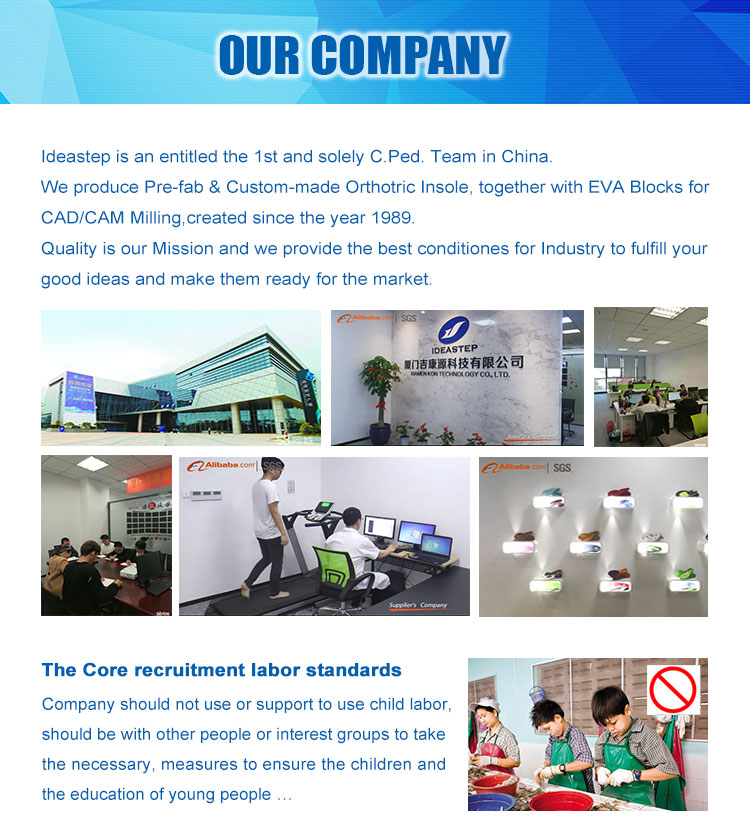
How to Choose a Reliable Magnetic Insoles Manufacturer
Selecting the right supplier directly affects product quality, delivery reliability, and long-term cooperation.
Manufacturing Experience
A manufacturer specializing in orthotic insoles and foot care products usually has better knowledge of materials, production methods, and product requirements.
Customization Capability
The supplier should be able to adjust product structures, materials, packaging, and branding according to customer needs.
Quality Control and Testing
Reliable suppliers should have clear production procedures and support sample evaluation before bulk orders.
Export Capability
For international buyers, experience with overseas markets helps ensure smoother communication, documentation, and delivery management.
Frequently Asked Questions About Magnetic Insoles
Can magnetic insoles be developed based on my own design?
Yes. OEM manufacturers can develop products based on customer requirements, including materials, structures, sizes, branding, and packaging.
What is the typical OEM process for magnetic insoles?
Most projects include requirement discussion, product design, sample development, approval, and mass production.
Can manufacturers provide private-label magnetic insoles?
Yes. Many OEM suppliers offer logo printing, customized packaging, and retail-ready solutions for brands and distributors.
Conclusion
Developing magnetic insoles for shoes requires more than adding magnetic components. Product structure, material selection, manufacturing experience, and quality control all influence the final product.
For footwear brands, distributors, and retailers, partnering with an experienced OEM insole manufacturer provides the flexibility needed to create customized products, maintain consistent quality, and build competitive foot care product lines.
Recommended Reading:
Magnetic Insoles Benefits and Market Potential for Foot Care Product Brands
Magnetic Insoles Reviews: Do They Really Work for Foot Comfort and Pain Relief?