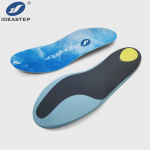
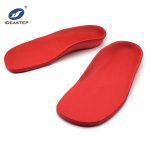
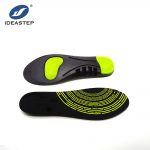
Podiatry clinics and footcare distributors require orthotic inserts that meet defined product specifications and supply requirements. Clinics may prioritize product construction and professional application, while distributors focus on product range, purchasing costs, stock availability, and repeat orders.
A successful Custom Inserts OEM project connects these requirements with a manufacturing process that delivers consistent products at an agreed cost and quality level. Buyers need to establish product specifications, confirm manufacturing capabilities, and define approval procedures before committing to bulk production.
OEM Requirements for Clinics and Distributors
Although clinics and distributors operate in different channels, both need dependable products and clear technical documentation.
Podiatry Clinic Supply
Clinics may source standardized orthotic inserts, modified designs, or individually manufactured orthoses. Each option involves different requirements for product specifications, reference data, and approval.
For standardized products, buyers should confirm the available sizes, support configurations, materials, and intended applications. Projects involving individual prescriptions, scans, casts, or digital models also require agreement on input formats, design responsibilities, and verification procedures.
The manufacturing scope should be clear before quotation and sampling begin.
Footcare Distribution
Distributors need a product range that serves their target customers without creating unnecessary inventory or SKU complexity. Consistent specifications, clear product identification, suitable packaging, and predictable replenishment are important for managing wholesale supply.
A focused range with distinct product applications can be easier to manage than a large catalog with overlapping specifications. Product selection should reflect actual customer demand and the distributor’s purchasing strategy.
Choosing the Right OEM Manufacturing Model
The appropriate OEM model depends on the required level of development, the existing product design, and the intended sales channel.
Private-Label Existing Designs
Using an existing insole design can reduce development work when the product already meets the buyer’s requirements. The project may involve selecting approved models, confirming sizes, adding branding, and defining packaging.
However, existing products still require a specification review. Branding changes alone do not establish suitability for a particular professional or clinical application.
Modified Orthotic Insole Designs
Some projects require changes to material combinations, thickness, shell geometry, cushioning zones, or dimensions. These changes should be assessed against the complete construction because even a small adjustment can affect fit within footwear, assembly, or material performance.
Buyers should distinguish essential technical requirements from optional cosmetic features. This helps manufacturers assess feasibility and provide more accurate quotations.
Individually Manufactured Orthoses
Projects involving individual assessments may require manufacturing from approved scans, casts, prescriptions, models, or technical files.
Before production, both parties should confirm the accepted input format, design approval process, manufacturing tolerances, and responsibility for verifying the finished product. Manufacturing accuracy and clinical validation are separate matters and should be managed accordingly.
Defining Specifications for Custom Orthotic Inserts
Clear specifications turn product expectations into requirements that can be manufactured, inspected, and reproduced.
Dimensions and Structural Features
Depending on the design, technical documentation may need to cover:
- Overall length, width, thickness, and size range
- Arch contour and specified support geometry
- Heel cup shape, depth, and position
- Forefoot profile and cushioning placement
- Shell dimensions and material thickness
- Layer arrangement, bonding, and edge finishing
The required level of detail depends on the construction. A simple foam insert may need fewer specifications than a multi-layer orthosis with a formed shell.
Production drawings and reference samples should identify critical features clearly, leaving as little room as possible for interpretation.
Material Selection
Material specifications should reflect the required properties and the role of each component within the finished product.
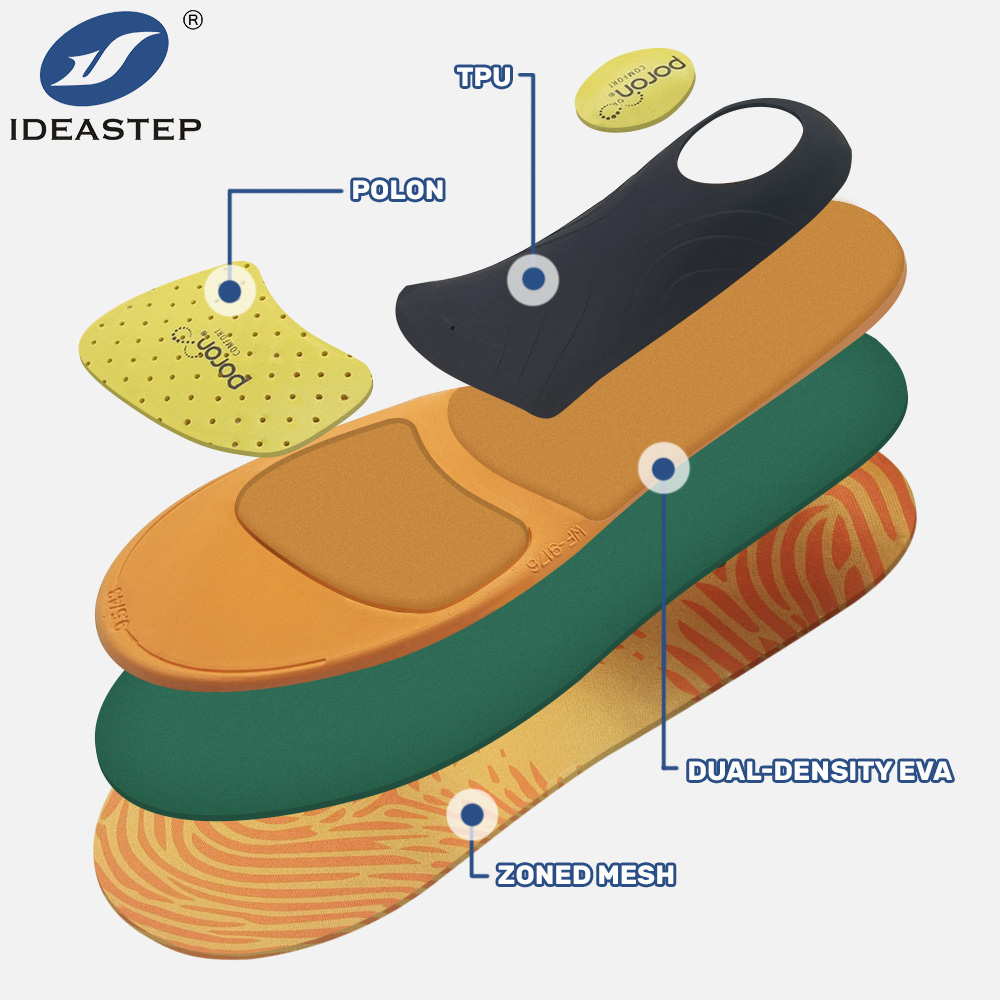
EVA is commonly used in insole manufacturing, with different grades and constructions available for varying thickness, hardness, and density requirements. PU and other cushioning materials may be incorporated where their properties suit the design.
PP and TPU can be used for structural components, depending on the required geometry, stiffness, and processing method. These materials should not be treated as interchangeable without evaluating the effect on the finished construction.
For OEM projects, buyers should define material requirements precisely enough to compare quotations and control production. Any proposed substitution should be reviewed and approved before use.
Branding and Packaging
Private-label projects may require logos, printed fabrics, size labels, barcodes, retail cartons, or bulk packaging.
Buyers should provide artwork, labeling details, and packaging specifications before final approval. Product information must accurately reflect the construction and intended use, while any market-specific requirements should be confirmed before commercial release.
Managing OEM Development and Production
A defined project workflow helps buyers control revisions, reduce delays, and establish a reliable basis for bulk orders.
Requirement Review and Quotation
The initial inquiry should include product drawings or reference samples, material requirements, size ranges, estimated quantities, branding details, and target delivery dates.
The manufacturer can then assess production feasibility and identify missing information. Quotations should clearly distinguish product costs from any applicable sampling, tooling, or development charges.
Sample Development and Approval
Samples should be evaluated against the agreed specification rather than appearance alone. Buyers may need to verify dimensions, material layers, shell geometry, bonding, finishing, and packaging.
If changes are required, the revised specifications should be documented before approval. For product ranges containing several sizes or constructions, approval of one model should not automatically extend to every SKU.
Bulk Production and Repeat Orders
Once the sample and specifications are approved, production should follow the confirmed product version. Inspection criteria, material requirements, and packaging instructions should remain accessible to the teams responsible for manufacturing and quality control.
Repeat orders also need revision control. Any proposed change to materials, tooling, dimensions, or assembly should be reviewed before implementation.
Evaluating MOQ, Pricing, and Lead Time
A competitive OEM quotation should be assessed against the full supply requirement rather than unit price alone.
Minimum Order Quantity
MOQ depends on material purchasing conditions, tooling, manufacturing methods, assembly requirements, and order volume. Requirements may differ between models, even when some components or materials are shared.
Distributors should confirm whether minimum quantities apply to individual SKUs, size groups, or particular constructions before finalizing their purchasing plan.
Factors Affecting OEM Costs
The cost of OEM orthotic insoles may include:
- Material consumption and component costs
- Tooling and product development
- Structural complexity and assembly
- Branding and packaging
- Order quantity and production requirements
Quotation comparisons are meaningful only when suppliers are pricing equivalent specifications. A lower price may reflect differences in materials, included services, or quality requirements.
Production and Delivery Planning
New projects may require time for sampling, revisions, and approval before bulk production. Established products may follow a more predictable schedule, provided the approved specifications and material supply remain unchanged.
Buyers should confirm production lead times, delivery terms, payment arrangements, and order requirements in writing. Accurate forecasts also help manufacturers plan material purchasing and production capacity.
Quality Control for OEM Orthotic Insoles
Quality requirements should be agreed before bulk production, with inspection methods appropriate to the product’s construction.
Material and Dimensional Inspection
Depending on the specification, checks may cover material identity, hardness or density, thickness, critical dimensions, shell geometry, and component positioning.
Acceptance criteria should be defined in advance so that both parties use the same basis for evaluating production results.
Construction and Workmanship
Inspection may also cover bonding, edge finishing, visible defects, size marking, model identification, and packaging accuracy.
Products with more complex structures may require additional checks for critical components. Routine manufacturing inspection, however, should not be presented as proof of clinical effectiveness or regulatory compliance.
Batch Consistency and Change Control
The approved sample should be linked to the final drawings, material specifications, and inspection criteria. Product revisions need clear version identifiers, and outdated specifications should not remain in active production use.
This provides a consistent reference for repeat orders and helps buyers investigate any differences between batches.
Documentation and Market Requirements
OEM buyers should identify documentation and labeling requirements early, especially when supplying products across different markets.
Applicable requirements depend on the product’s intended use, classification, claims, and destination. Manufacturers may be able to provide product specifications, material information, manufacturing records, and available quality documentation, but buyers should confirm the scope of each document.
A private-label arrangement or general quality certificate does not automatically establish compliance with every market’s requirements. Where necessary, buyers should obtain qualified regulatory guidance before commercial release.
Selecting a Long-Term OEM Manufacturing Partner
The right supplier needs to meet technical requirements while supporting the commercial demands of ongoing wholesale supply.
Manufacturing Capabilities
Assess the manufacturer’s experience with the required materials, shell structures, forming methods, and finishing processes. Confirm which operations are handled in-house and which require external support.
A supplier should also be able to explain how it reviews specifications, evaluates design changes, and manages product approval.
Communication and Production Control
Clear communication is essential when specifications change, materials become unavailable, or production schedules need adjustment.
Buyers should establish how revisions are approved, how SKUs are identified, and how quality issues are reported. These procedures help reduce avoidable errors across development and repeat production.
Supply Capacity and Commercial Fit
Evaluate MOQ, lead times, production capacity, and replenishment arrangements alongside unit price. The supplier’s capabilities should match the buyer’s expected order volumes and product requirements.
A suitable manufacturing partner is one that can meet the agreed specification and maintain a workable supply arrangement as the business develops.
FAQs About Custom Inserts OEM
What information is needed for an OEM quotation?
Provide product drawings or reference samples, material requirements, size ranges, estimated quantities, branding and packaging details, and target delivery dates. Individual orthosis projects may also require specific input files and design approval arrangements.
Can OEM orthotic inserts be supplied under a private label?
Yes. Depending on manufacturing capabilities, buyers may use existing designs or develop modified products with agreed branding and packaging. The final scope should be confirmed before sampling and production.
Can one OEM project include multiple insole models?
Yes, provided each model has a clear specification. Shared materials or components may simplify purchasing, but different constructions and dimensions still need appropriate controls and approval.
What determines the MOQ for custom inserts?
MOQ depends on materials, tooling, manufacturing processes, design complexity, packaging, and order volume. Buyers should confirm the applicable minimum for each product or SKU.
How can buyers maintain consistency across repeat orders?
Use approved samples, controlled technical specifications, defined inspection criteria, and documented revision records. Review any proposed material or design change before production.
Discuss Your Custom Inserts OEM Project with Ideastep
For a productive OEM discussion, prepare your product drawings or reference samples, material requirements, size range, estimated order quantity, and packaging preferences.
Ideastep works with wholesale buyers on insole development and bulk supply. Share your requirements through the Ideastep contact page to discuss manufacturing feasibility, MOQ, quotation details, and production planning.
Related Articles:
Custom Inserts for Shoes: From Product Design to Bulk Manufacturing
How Custom Inserts for Shoes Meet Different Footwear Manufacturing Requirements