For footwear brands, everyday insoles play an important role in product comfort and market differentiation. Developing the best insoles for everyday use requires more than adding cushioning. A successful insole design must balance comfort, support, durability, and compatibility with different footwear constructions.
From material selection to structural development, professional insole manufacturing requires experience in foam technology, footwear applications, and product customization. For brands, distributors, and private label companies, working with an experienced OEM insole manufacturer provides reliable solutions for different market needs.
What Makes High-Quality Everyday Insoles?
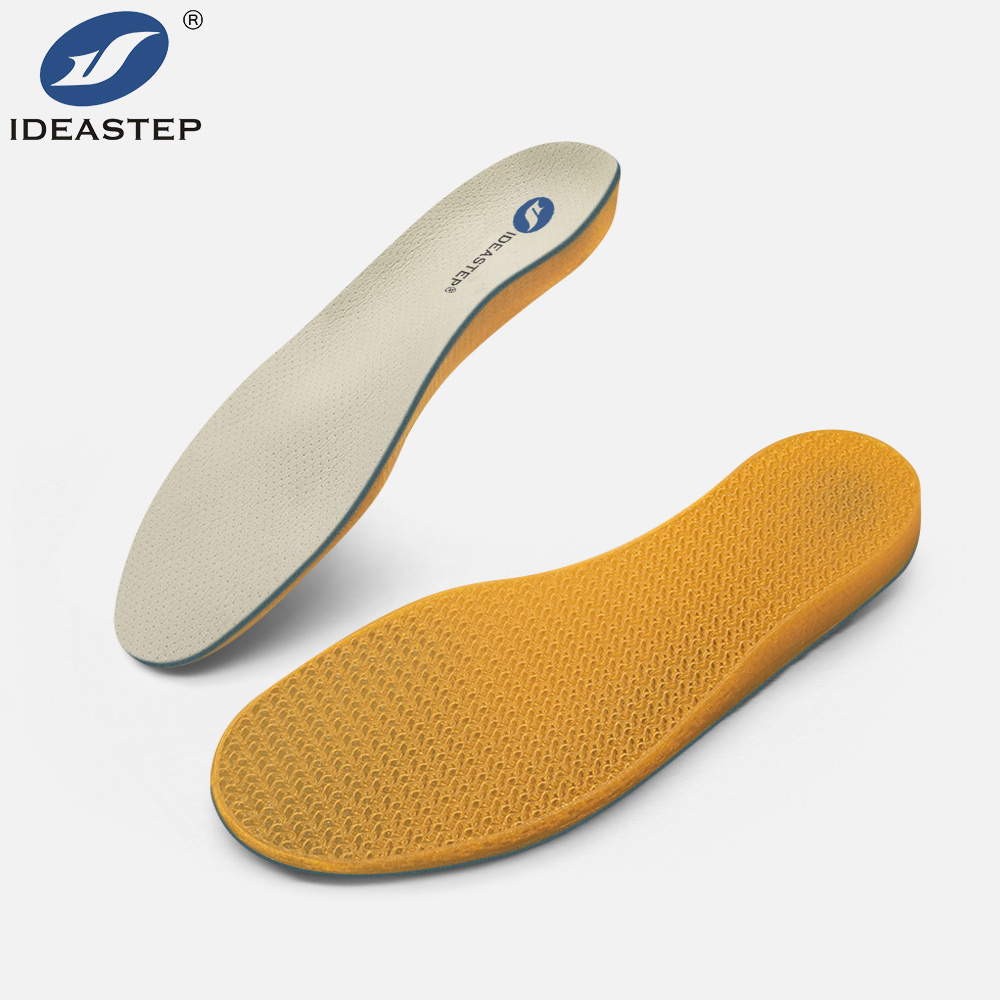
High-quality everyday insoles are designed to provide consistent comfort and support during daily activities such as walking, commuting, and long periods of standing.
Key performance features include:
- Comfortable cushioning
- Lightweight construction
- Balanced arch support
- Shock absorption
- Breathable surface materials
- Long-lasting durability
For footwear manufacturers, the challenge is creating an insole structure that fits different shoe designs while maintaining reliable performance throughout daily use.
Key Materials Used in Everyday Insoles
EVA Foam for Lightweight Comfort and Cushioning
EVA foam is one of the most widely used materials in everyday comfort insoles due to its lightweight properties, flexibility, and customization potential.
During OEM development, EVA performance can be adjusted by controlling:
- Hardness
- Density
- Thickness
- Rebound characteristics
Softer EVA formulations are commonly used for comfort-focused footwear, while higher-density EVA structures provide stronger support and improved durability for demanding applications.
By selecting suitable EVA specifications, manufacturers can create different insole solutions for casual shoes, walking footwear, work shoes, and lifestyle products.
PU and Memory Foam for Enhanced Comfort Applications
PU foam and memory foam are commonly used in comfort-oriented insole designs. These materials provide a softer underfoot feel and are suitable for casual footwear, walking shoes, and lifestyle footwear collections.
When combined with supportive layers, PU and memory foam can help achieve a better balance between softness, stability, and long-term comfort.
TPU Support Components for Improved Stability
For applications requiring additional structural support, TPU reinforcement components can be integrated into the insole design.
TPU components help:
- Improve structural stability
- Maintain support performance
- Enhance product durability
This solution is commonly used in functional footwear, sports shoes, and premium everyday footwear products.
Design Features of Everyday Comfort Insoles
Multi-Layer Construction for Better Performance
Modern everyday insoles often combine multiple material layers to achieve better comfort, support, and durability.
| Layer | Function |
|---|---|
| Top Fabric Layer | Improves moisture management and surface comfort |
| Cushioning Layer | Provides softness and shock absorption |
| Support Layer | Enhances stability and structural performance |
| Bottom Layer | Improves grip and wear resistance |
A multi-layer structure allows manufacturers to customize product performance based on footwear type and target market requirements.
Balanced Arch Support Design
Although everyday insoles focus on comfort, proper support remains an important part of product development.
A well-designed support structure helps improve:
-
- Foot stability
- Weight distribution
- Overall wearing comfort
Manufacturers can customize support levels by adjusting arch design, foam density, and reinforcement structures according to different footwear applications.
Everyday Insoles for Different Footwear Applications
Casual and Walking Footwear
Casual and walking footwear requires insoles that provide comfort without adding excessive weight or reducing shoe flexibility.
Common applications include:
- Sneakers
- Casual shoes
- Walking shoes
- Lifestyle footwear
Lightweight EVA foam, breathable fabric covers, and flexible cushioning layers are commonly used to create comfortable daily-use insole solutions.
Work and Safety Footwear
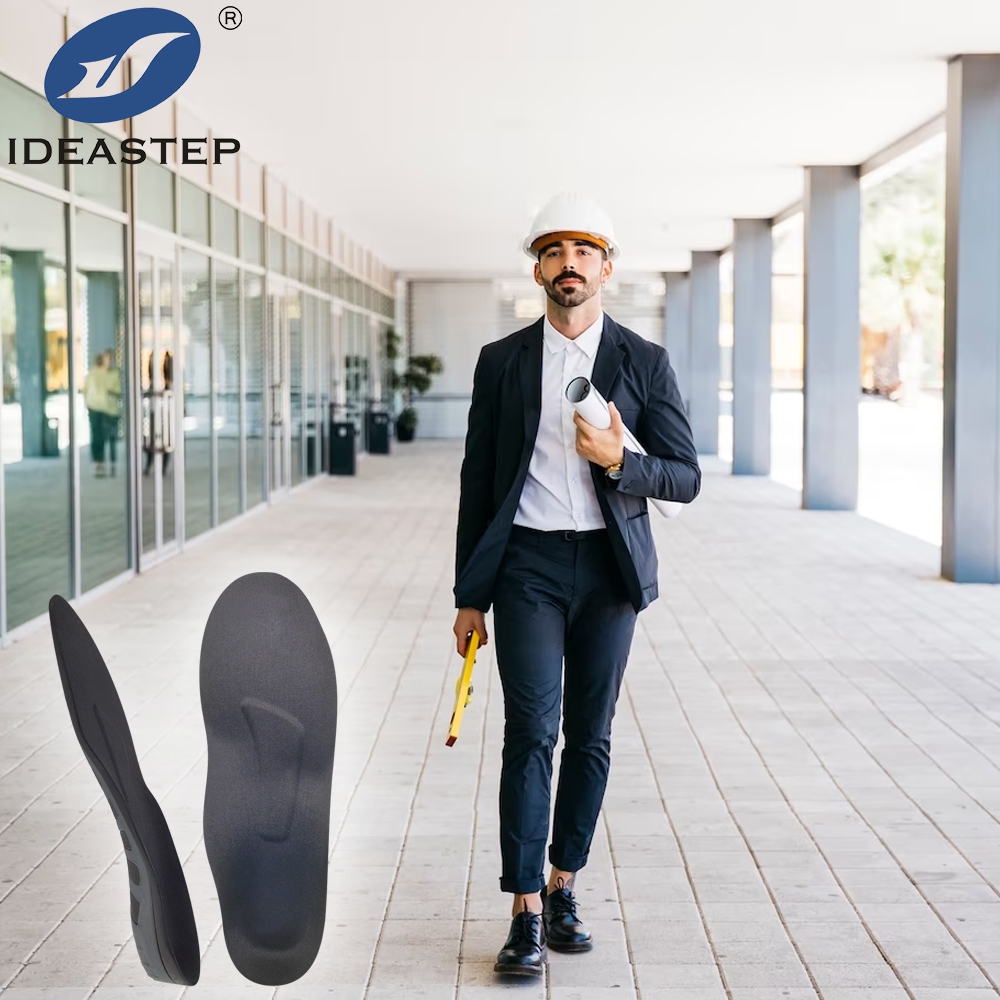
Work and safety footwear requires durable insole solutions designed for extended standing and daily wear.
Important features include:
- Long-lasting cushioning
- Durable support performance
- Pressure management
- Wear resistance
These solutions are widely used in industrial footwear, safety shoes, healthcare footwear, and professional work shoes.
Sports and Lifestyle Footwear
Sports and lifestyle footwear brands often use functional insoles to improve comfort and product differentiation.
Performance requirements may include:
- Lightweight support
- Shock absorption
- Energy return
- Improved footwear comfort
OEM manufacturers can develop customized insole structures based on different shoe designs and performance goals.
What Footwear Brands Look for in Everyday Insole Solutions
For footwear brands and distributors, selecting an insole supplier involves more than choosing a comfortable product. Reliable production capability and customization support are equally important.
Material Consistency
Stable material performance helps ensure consistent quality during large-scale production.
Important factors include:
- Density control
- Hardness consistency
- Compression resistance
- Durability testing
Custom Development Capability
Professional OEM manufacturers can support customized projects including:
- Insole structure design
- Material combinations
- Thickness adjustment
- Surface fabric selection
- Private label packaging
Quality Control and Production Capacity
For bulk orders, consistent manufacturing standards are essential.
A reliable supplier should provide:
- Raw material inspection
- Production monitoring
- Size consistency control
- Finished product inspection
How Everyday Insoles Are Developed for OEM Projects
Product Requirement Evaluation
The development process begins by understanding the target footwear category, market positioning, performance requirements, and material expectations.
Material Selection and Structure Development
Engineers select suitable materials and structural designs based on comfort requirements, support levels, and production goals.
Prototype Testing and Optimization
Before mass production, prototypes are evaluated for fitting, comfort performance, durability, and structural stability to ensure product reliability.
How to Choose the Right Everyday Insole Manufacturer
Choosing the right manufacturing partner is essential for brands looking to develop competitive footwear products.
A professional supplier should have experience in:
- Insole product development
- Footwear applications
- Material engineering
- OEM and private label manufacturing
Flexible customization capability allows brands to create differentiated products with unique materials, structures, and packaging solutions.
Conclusion: Creating Better Footwear with Everyday Insole Solutions
The best insoles for everyday use combine comfort, support, durability, and adaptable design. For footwear brands and distributors, professional insole manufacturing capabilities provide the foundation for creating competitive products across different footwear markets.
By partnering with an experienced OEM insole manufacturer, companies can access customized solutions, advanced material options, and reliable production support for everyday footwear applications.
Looking for a Reliable Everyday Insole Supplier?
Looking for a reliable OEM insole manufacturer? We provide custom design, private label production, and bulk manufacturing solutions for footwear brands, distributors, and orthotic product companies.
Contact us to discuss your next insole project.
Explore More: How We Help Global Brands Develop Custom Orthotic Insoles.