The search for the most comfortable shoe insoles often starts with one simple expectation: better comfort during daily wear. However, from a manufacturing perspective, comfort is not created by softness alone. A well-designed insole requires the right combination of cushioning, support, material performance, and footwear compatibility.
For footwear brands, distributors, and foot care companies, developing a successful comfort insole means finding the right balance between user experience and production feasibility. Material selection, structure design, and manufacturing consistency all influence the final product.
With extensive experience in orthotic and functional insole development, Ideastep works with global partners to create customized insole solutions, supporting projects from early design concepts and prototypes to OEM and ODM production.
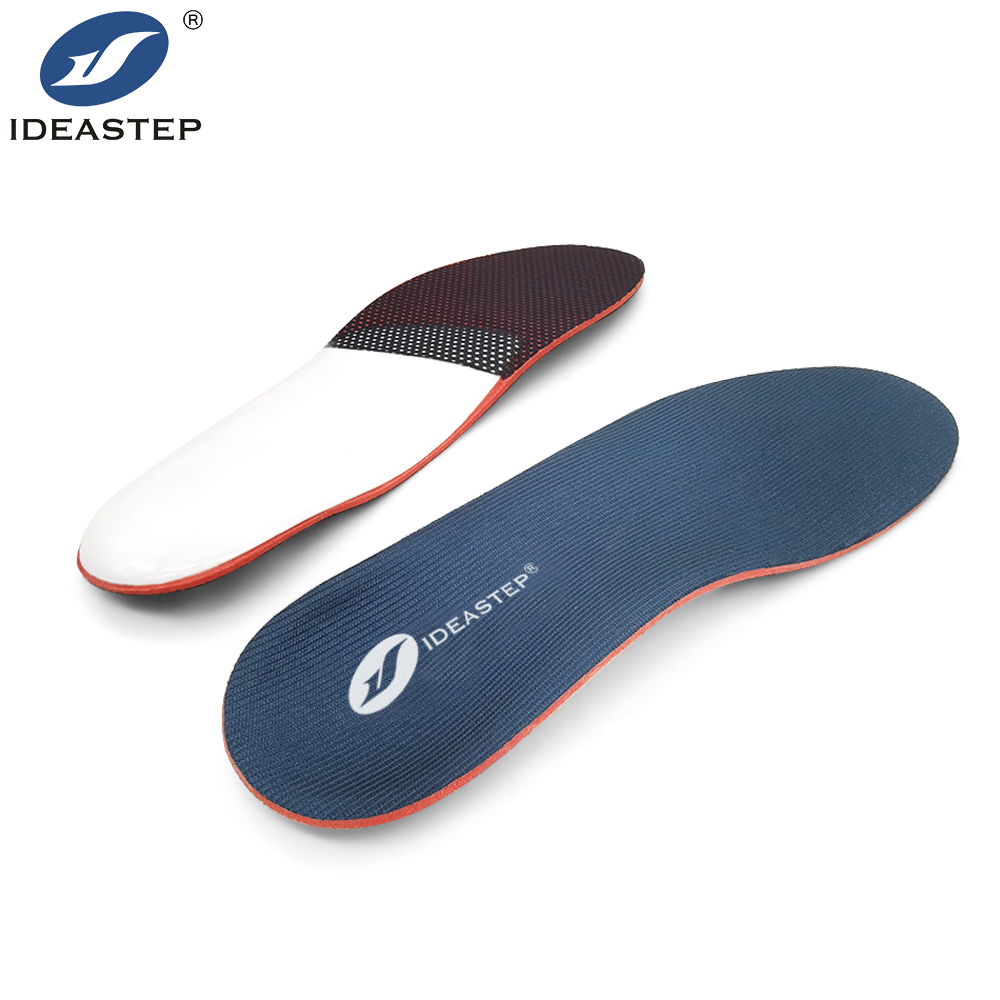
What Makes Shoe Insoles Comfortable?
A comfortable insole is the result of several design factors working together. During product development, manufacturers need to consider cushioning performance, foot support, flexibility, and long-term durability.
Cushioning Performance
Cushioning is one of the first factors customers notice when using an insole. The right cushioning structure helps reduce impact feeling and improves comfort during walking, standing, and daily activities.
Manufacturers usually evaluate:
- Material type and density
- Hardness level
- Compression resistance
- Overall thickness
Different footwear applications require different cushioning solutions. A work shoe insole, for example, may prioritize durability, while a lifestyle insole may focus more on softness and flexibility.
Support and Foot Stability
A common misconception is that a softer insole always provides better comfort. In reality, excessive softness can reduce stability. Professional insole design focuses on creating the right balance between cushioning and support.
Important structural elements include:
- Arch support
- Heel support
- Pressure distribution
- Foot positioning
These factors help create a more balanced wearing experience for different users and footwear types.
Surface Comfort and Breathability
The top layer also affects daily comfort. Breathable fabrics and moisture-control materials can improve the feeling of the insole during extended use.
Manufacturers often combine functional surface materials with cushioning layers to improve overall performance.
Materials Behind Comfortable Shoe Insoles
Choosing the right material combination is a key step in developing high-quality insoles. Professional manufacturers select materials according to product goals, target markets, and production requirements.
EVA Foam for Lightweight Cushioning
EVA foam is one of the most commonly used materials in insole manufacturing because it offers lightweight performance, flexibility, and reliable cushioning.
During development, manufacturers adjust EVA properties such as density, hardness, rebound, and compression resistance to achieve different performance requirements.
This makes EVA suitable for a wide range of applications, including sports footwear, casual shoes, and work footwear.
Memory Foam for Enhanced Comfort
Memory foam is frequently used in comfort-focused insole designs because of its soft feel and pressure-adaptive characteristics.
In commercial production, memory foam is usually combined with other support materials to improve balance between softness and structural stability.
Multi-Layer Material Structures
Many premium insoles use multi-layer constructions instead of a single material. A typical structure may combine:
- Comfort top layer
- Cushioning foam layer
- Support base layer
This layered approach allows manufacturers to customize performance based on footwear type and market positioning.
Custom Comfort Insole Development for Brands
For companies entering the footwear or foot care market, customization helps create products that stand out from standard options. A reliable OEM partner can adjust the design according to brand positioning and customer requirements.
Custom Structure Design
Manufacturers can customize:
- Insole thickness
- Hardness level
- Foam density
- Support structure
- Material combination
These adjustments allow brands to develop products for different applications, from everyday footwear to specialized performance shoes.
Private Label Solutions
For distributors and private-label brands, manufacturers can support:
- Logo customization
- Packaging solutions
- Product specifications
This allows companies to build their own insole product lines without establishing their own production facilities.
Design Considerations Before Production
Before moving into manufacturing, experienced suppliers evaluate several factors to ensure the product meets both market expectations and production requirements.
Footwear Application
The same insole design may not work for every shoe category.
- Sports footwear requires flexibility and impact absorption.
- Work footwear requires durability and long-term support.
- Casual footwear requires lightweight comfort.
Material Selection and Testing
Material combinations are selected based on:
- Target users
- Product positioning
- Cost requirements
- Expected performance
Sample testing and design adjustments help ensure the final product is suitable for mass production.
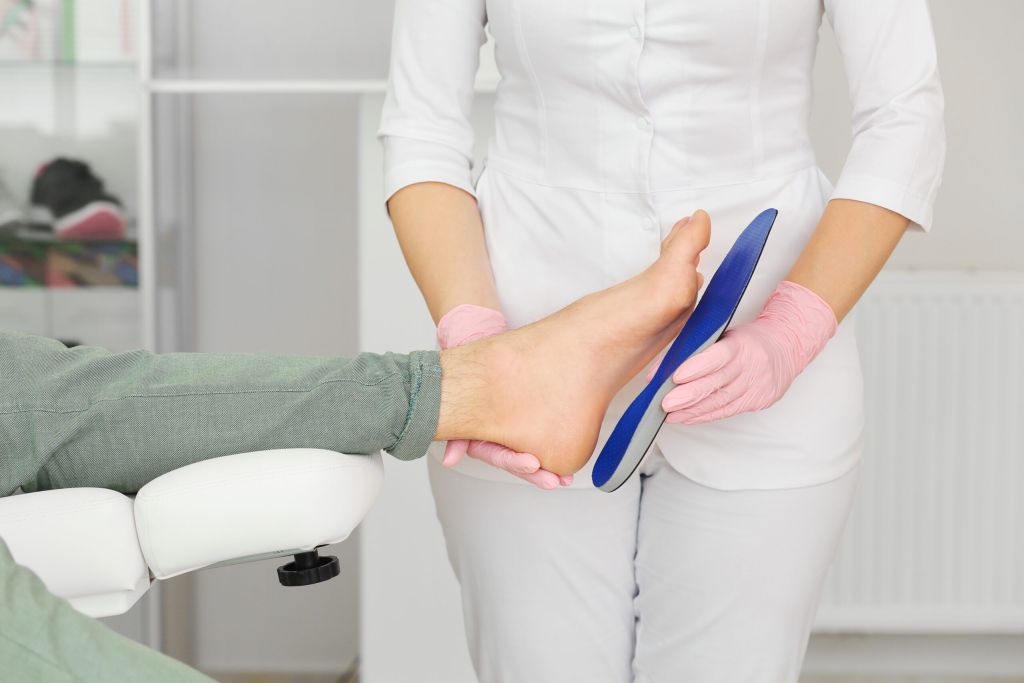
OEM Process from Prototype to Mass Production
For brands developing custom insoles, a professional OEM process helps reduce development risks and improve production consistency.
Step 1: Product Requirement Analysis
The manufacturer reviews key requirements, including:
- Footwear application
- Target market
- Material preferences
- Product positioning
Step 2: Prototype Development
Based on the product requirements, manufacturers create prototypes and evaluate:
- Structure design
- Material performance
- Footwear fitting
- User comfort
Step 3: Production Optimization
After sample approval, production processes are optimized for bulk manufacturing. This stage includes material inspection, process control, and quality management.
For brands ordering large quantities, stable production consistency is essential to maintaining product quality across every batch.
Comfortable Shoe Insoles for Different Applications
Comfort insoles are used across multiple footwear markets:
- Work footwear: Requires durable cushioning and support for long periods of standing.
- Sports footwear: Focuses on lightweight design, flexibility, and impact absorption.
- Casual footwear: Prioritizes daily comfort, breathability, and easy wearing.
Choosing the Right Insole Manufacturing Partner
For brands, selecting a supplier is not only about production capacity. Technical experience, customization ability, and quality control are equally important.
A reliable manufacturing partner should provide:
- Development expertise: Support with materials and structure optimization.
- Customization capability: Flexible solutions for different product requirements.
- Production reliability: Consistent quality for bulk orders.
- OEM experience: Support throughout the complete development process.
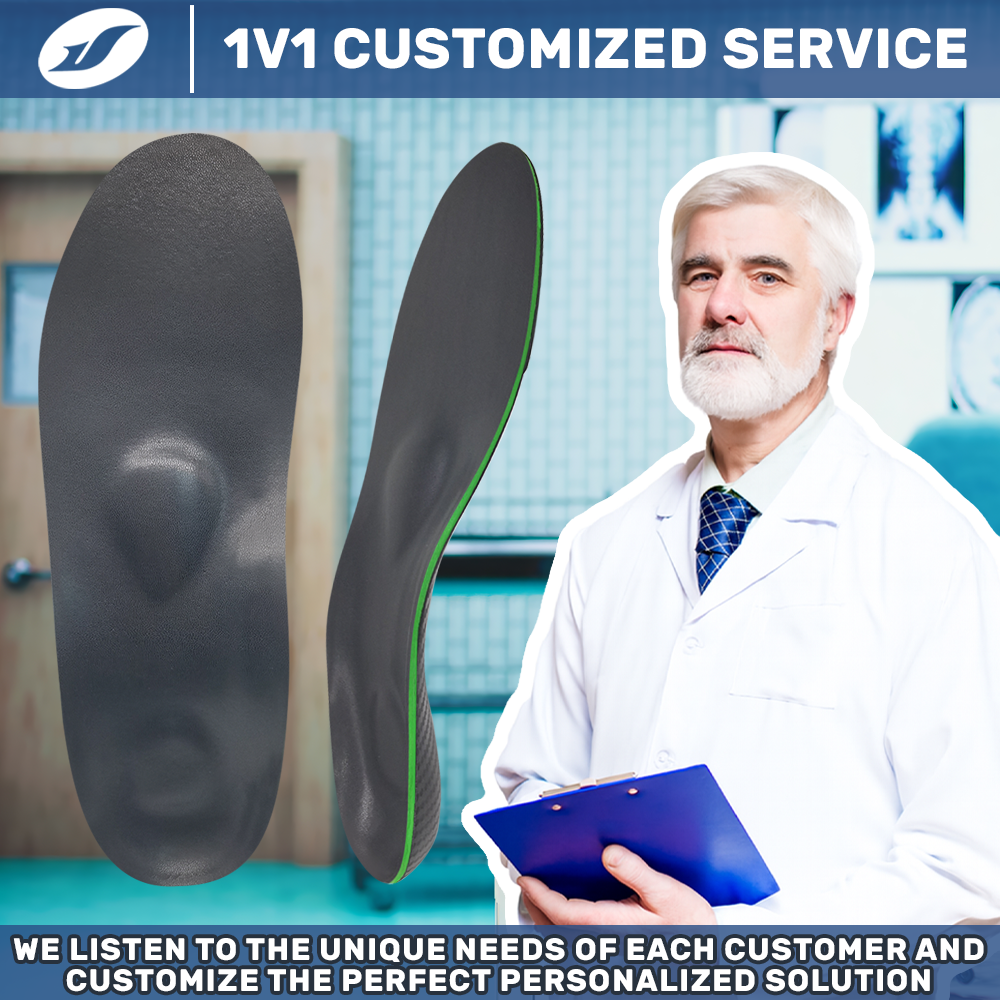
Ideastep Custom Comfort Insole Manufacturing Capability
Ideastep specializes in custom orthotic and comfort insole manufacturing for footwear brands, distributors, and foot care companies worldwide.
Combining orthotic expertise with EVA material technology, Ideastep supports customers with:
- Custom comfort insoles
- Orthotic insole development
- EVA foam insole solutions
- OEM and ODM production
- Private label services
From concept development and material selection to prototype improvement and mass production, Ideastep helps partners create reliable insole products for different markets.
Conclusion
The most comfortable shoe insoles are developed through careful engineering rather than simply using softer materials. The right combination of structure, materials, and manufacturing expertise creates products that deliver lasting comfort and market value.
For brands looking to develop custom insole products, working with an experienced manufacturer provides the technical support and production capability needed to bring ideas into successful products.
Related Reading: Which Company Makes the Best Insoles? A Practical Guide for B2B Buyers.