For foot care brands, clinical practices and footwear distributors, heat moldable orthotics fill a unique niche between rigid custom shells and soft off-the-shelf inserts. A common pain point we see across bulk orders is inconsistent mechanical performance: many thermoformable designs lean too far, either stiff and difficult to contour to individual foot anatomy, or overly flexible with arch support that breaks down quickly after repeated use. This article breaks down the engineering decisions, material selection and OEM customisation options that strike a reliable balance of flexibility and structural integrity, for stable, clinic-ready orthotic lines.
How Heat Moldable Orthotics Function
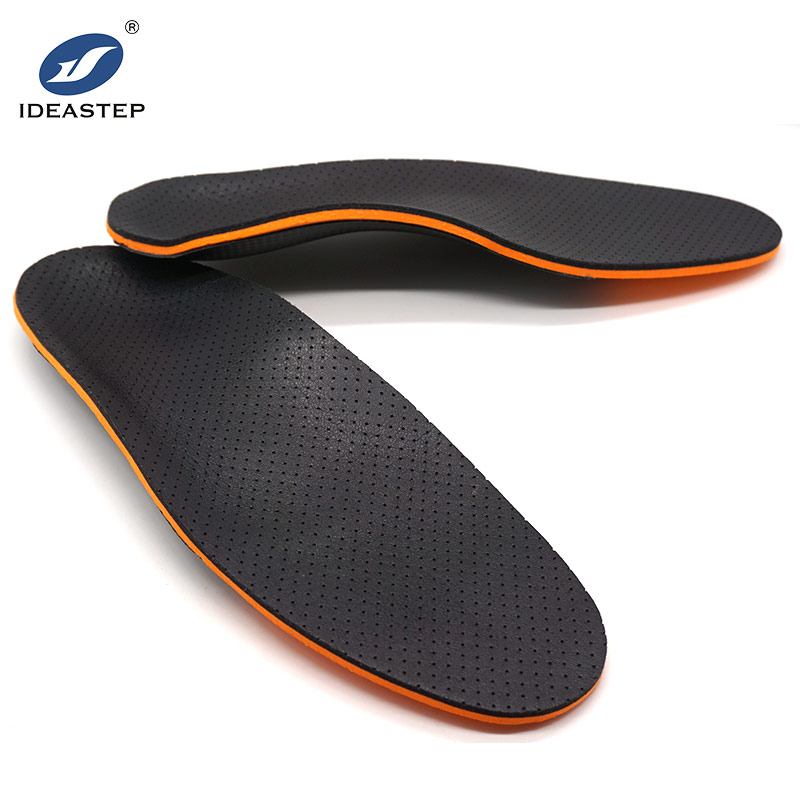
Heat moldable orthotics rely on thermally activated substrates that soften within a defined temperature window. Once heated, practitioners can manipulate the shell to match a patient’s arch height, heel alignment and forefoot positioning. As the material cools, it locks into the new custom shape while retaining its engineered load-bearing properties.
This sets it apart from fully pre-fabricated orthotics and 3D printed orthoses. Pre-made units offer no on-site adjustment, while 3D printed parts are custom milled before delivery and generally cannot be reshaped post-production. Heat moldable variants give clinics the ability to fine-tune fit during patient appointments, which reduces return rates for brand partners.
Material Selection for Tunable Flexibility and Support
The base polymer blend defines the upper limits of both flexibility and structural retention. Our primary substrate options include modified EVA, blended TPU and copolymer polypropylene. Each material carries distinct thermomechanical characteristics that shape end performance.
Modified EVA balances lightweight compliance with moderate arch rigidity; it is widely used for entry-level clinical and sports lines. Blended TPU delivers better resistance to creep under sustained load, making it suitable for higher activity profiles. Copolymer polypropylene maintains firm structural support while softening cleanly at target forming temperatures, preferred for prescription-grade orthotics.
Multi-layer construction is often deployed to offset single-material weaknesses. A rigid core shell provides primary arch and heel containment, paired with a softer top cushion layer. This composite layout preserves shape retention without creating pressure points once molded.
Structural Design Strategies to Balance Rigidity and Movement
Mechanical zoning is the core of a well-calibrated heat moldable orthotic. The heel cup and central arch zone are built with greater wall thickness to maintain corrective alignment under weight bearing. Edges taper gradually to reduce irritation and improve conformity during forming.
Cutouts, slots and segmented patterns are used strategically to modulate flexibility. These features allow controlled bending along the transverse plane without compromising longitudinal arch support. Most successful designs isolate stiffness where correction is required, while granting forefoot zones enough pliability for natural gait progression.
All production prototypes undergo standardized mechanical testing. Key metrics include deflection threshold, long-term support retention and fatigue resistance after multiple heating cycles. These benchmarks help brands select specifications aligned with their target user groups.
Adjustable OEM Parameters for Brand Customisation
Every brand and clinic network works with different forming equipment and patient populations, so we structure OEM customisation around adjustable engineering variables.
We can tune the activation temperature to match clients’ existing heat guns or convection ovens, eliminating the need for clinics to upgrade hardware. Hardness gradients are configurable for general orthotic use, athletic support or post-operative rehabilitation. Surface finishes, edge finishing, adhesive backing and anti-slip textures are all customisable to match existing product aesthetics.
Our OEM workflow includes sample validation, provision of test documentation and scaled mass production. All adjustments are locked in prior to bulk runs to preserve batch-to-batch consistency.
Best Fit Use Cases and Limitations
Heat moldable orthotics work well for prescription clinic orthoses, rehabilitation footwear inserts and functional insoles built into branded footwear. They serve as a practical mid-tier option, sitting between fully rigid custom orthotics and non-corrective cushioned inserts within a brand portfolio.
It is equally important to recognise boundaries. These designs are not recommended for severe foot deformity cases or high-risk diabetic foot protocols, where dedicated medical-grade orthoses are required. Clearly defining suitable applications helps brand partners build responsible product positioning and reduce clinical liability.
Quality Control and Documentation for Clinical Supply
Consistent performance after repeated heating cycles is one of the most critical QC points. We test for support loss after multiple reshaping cycles, low-temperature brittleness, delamination resistance and rebound consistency.
Alongside finished goods, we supply technical data sheets and standardised forming guides. These resources give your clinical partners clear training material and build confidence in your product line.
Frequently Asked Questions
Can the same base material be supplied in multiple firmness grades?
Yes. We adjust polymer blending to deliver softer and firmer variants from the same substrate family, keeping forming behaviour consistent for clinic teams.
How many times can a unit be reheated before support performance degrades?
This depends on the material grade. Our standard formulations maintain stable correction through several reshaping cycles, with exact limits documented in the TDS for each SKU.
What are the lead time and MOQ for custom heat moldable orthotic shells?
Sample development runs typically require a short engineering cycle, and we offer flexible minimum order quantities for new product line testing. Reach out with your specification sheet for a formal quote.
Can shells be built from foot scan files provided by our team?
We accept foot scan and CAD geometry files to adapt arch contours, heel cup depth and shell perimeter to your existing orthotic design library.
Work With Us on Your Heat Moldable Orthotic Line
If you are developing or expanding a clinical orthotic range and need a supplier capable of tuning thermoformable shells to your exact mechanical requirements, share your performance targets and design files. Our engineering team will support prototyping, material validation and reliable bulk OEM supply for your foot care brand.
Related Reading:
Heat Moldable Orthotic Insoles OEM Case Study: From Design to Bulk Production
Heat Moldable Orthotic Insoles: Benefits for Bespoke Shoemakers in UK