Introduction: Why Flat Feet Athletes Need Specialized Insoles
Athletes with flat feet often face challenges such as reduced arch support, excessive foot movement, and uneven pressure distribution during sports activities. Running, jumping, and high-impact training can place additional stress on the feet, making proper support essential.
Choosing the best insoles for flat feet athletes requires more than selecting a soft insert. Effective sports insoles need to provide a balance of arch support, cushioning, stability, and durability to meet the demands of athletic performance.
For sports brands, footwear manufacturers, and distributors, developing high-quality flat feet insoles also requires careful consideration of materials, design structure, and manufacturing capability.
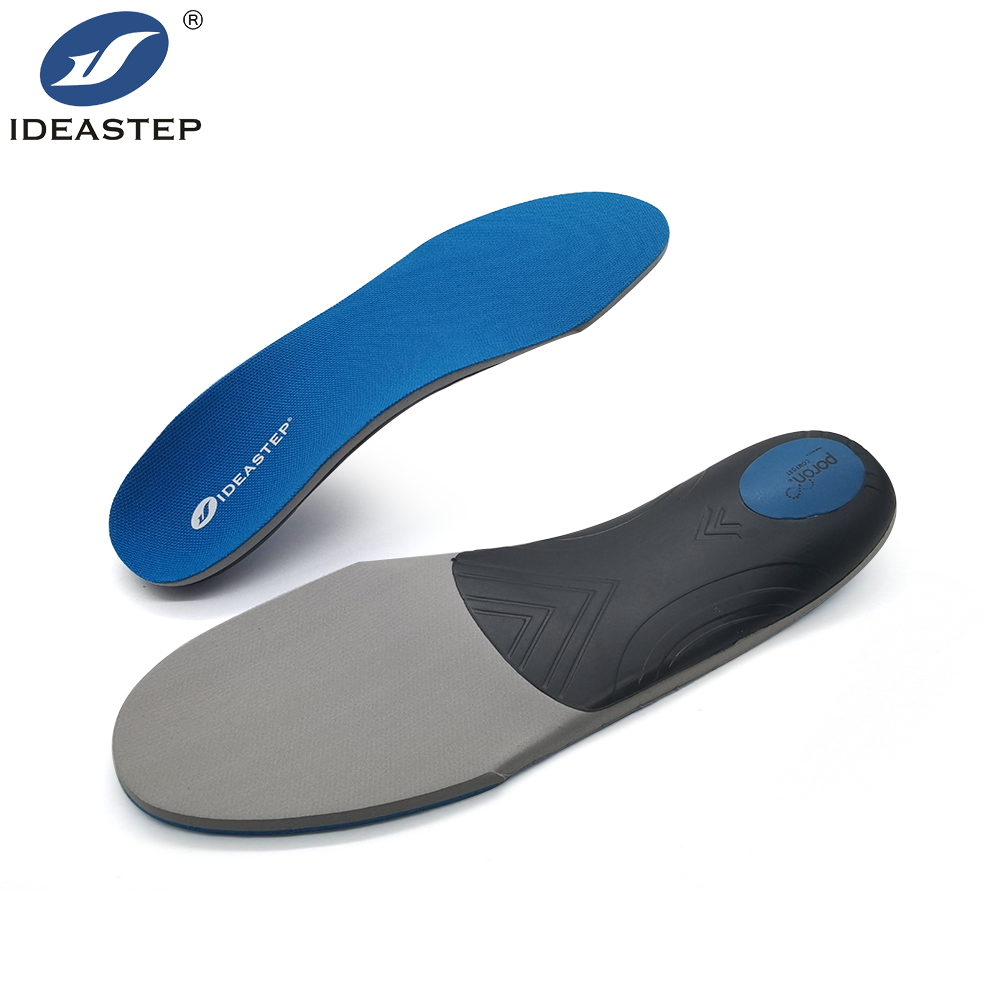
Key Features of High-Performance Flat Feet Insoles
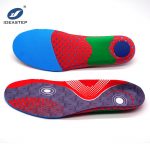
Structured Arch Support
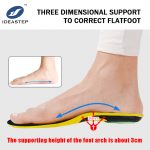
Arch support is one of the most important factors when designing insoles for athletes with flat feet.
A properly designed support structure helps control excessive foot movement and improves stability during dynamic activities.
High-performance flat feet insoles typically include:
- Reinforced arch support zones
- Anatomical foot contours
- Stable heel positioning
These features help create a more balanced foundation inside the shoe for running, training, and sports performance.
Shock Absorption for Sports Activities
Athletes experience repeated impact during movement. Without proper cushioning, excessive pressure may build up in key areas of the foot.
Sports insoles often combine materials such as:
- EVA foam
- TPU support components
- Cushioning foam layers
- Gel elements
These materials help absorb impact while maintaining the structural support needed for athletic activities.
Lightweight and Breathable Design
Sports performance requires support without unnecessary weight.
Modern athletic insoles are designed with:
- Lightweight materials
- Breathable fabric layers
- Moisture management surfaces
- Flexible structures
A balanced design improves comfort during long training sessions and daily sports use.
Types of Insoles Suitable for Flat Feet Athletes
EVA Sports Insoles
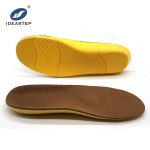
EVA foam is one of the most widely used materials for athletic insoles because of its lightweight cushioning, flexibility, and customization advantages.
EVA sports insoles are commonly developed for:
- Running shoes
- Training footwear
- Casual sports applications
They provide a practical balance between comfort, support, and cost efficiency.
Orthotic Sports Insoles
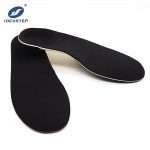
Orthotic sports insoles are designed for users who require more structured foot support.
Compared with standard cushioning inserts, they usually include:
- Enhanced arch control
- Heel stabilization features
- Improved pressure distribution
These designs are suitable for athletes who need additional biomechanical support during activities.
Custom Athletic Insoles
Custom athletic insoles provide the highest level of personalization by using foot data and specific design requirements.
Manufacturers can customize:
- Arch height
- Cushioning zones
- Support levels
- Material combinations
For professional sports applications and premium footwear products, customized solutions help brands create differentiated products.
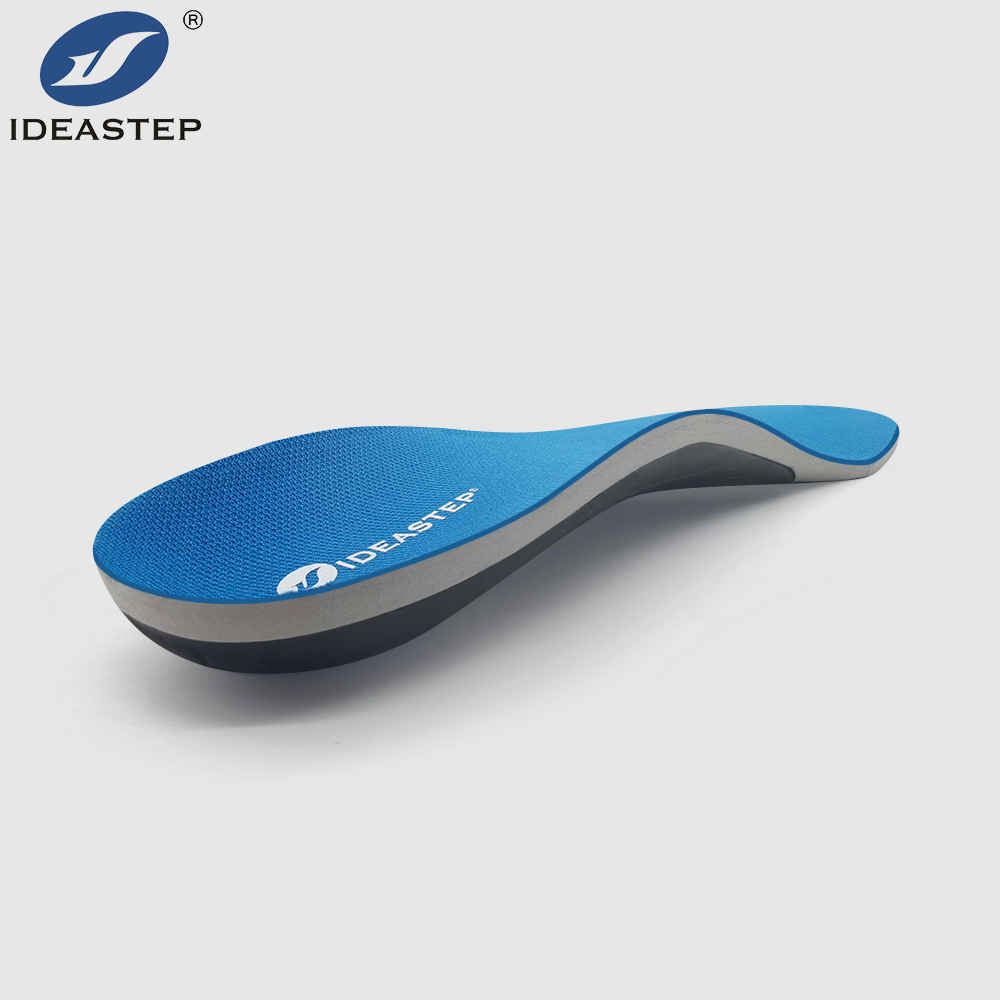
How Brands Can Develop Flat Feet Sports Insoles
The demand for performance footwear continues to create opportunities for sports brands and footwear companies.
Developing specialized flat feet insoles allows businesses to offer products with stronger market differentiation.
Key development options include:
- Custom insole structures
- Private label designs
- Material selection
- Size range customization
- Branded packaging solutions
Working with an experienced orthotic insole manufacturer helps companies shorten development cycles and create products that meet different market requirements.
How to Choose a Reliable Sports Insole Manufacturer?
For businesses planning wholesale or OEM projects, selecting the right manufacturing partner is essential.
Manufacturing Experience
A capable supplier should understand both footwear production and orthotic applications.
Important factors include:
- Experience with sports insoles
- Material knowledge
- Production technology
- Quality management systems
A manufacturer with strong technical experience can provide more reliable product solutions.
Customization Capability
Sports brands often require unique product designs to match their positioning.
A suitable supplier should support:
- Custom design development
- Material combinations
- Logo customization
- Private label production
- OEM/ODM cooperation
This flexibility allows brands to create products that fit specific market needs.
Production Quality and Reliability
For long-term cooperation, buyers should evaluate:
- Production capacity
- Quality consistency
- Delivery performance
- Communication efficiency
Stable manufacturing capability is essential for maintaining product quality across large orders.
Conclusion: Building Better Solutions for Flat Feet Athletes
The best insoles for flat feet athletes combine structured support, impact protection, lightweight materials, and sport-specific design.
For athletes, the right insole can improve comfort and stability during training and competition. For sports brands and footwear companies, developing specialized athletic insoles creates opportunities to expand product lines and meet growing demand for customized support solutions.
Partnering with an experienced manufacturer provides businesses with professional support in design, material selection, and large-scale production.
Whether you are developing sports footwear, expanding your insole product line, or looking for a reliable manufacturing partner, we can help you create customized flat feet insole solutions from concept to production.
Related Articles:
Best Orthopedic Inserts for Flat Feet
Best Arch Support Insoles for Flat Feet