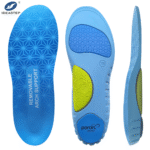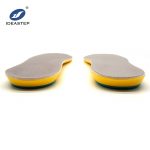
Introduction: Choosing the Right Orthotic Insole Manufacturing Partner
Finding the right custom orthotic insole factory is an important decision for footwear brands, healthcare suppliers, and distributors.
A qualified manufacturer should provide more than production capacity. The key factors include product development experience, material expertise, customization ability, and stable quality control.
For businesses developing orthotic products, working with an experienced manufacturing partner can help reduce development risks, improve product consistency, and build long-term market competitiveness.
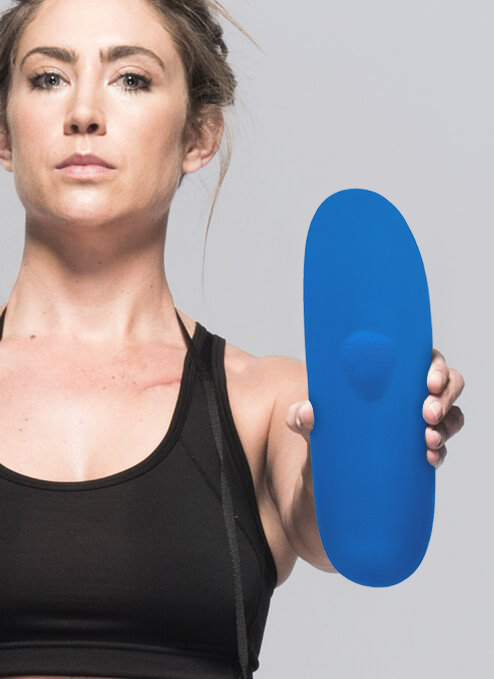
Why Choosing the Right Orthotic Insole Manufacturer Matters
Consistent Product Quality
For orthotic products, small differences in material properties, support structures, or production processes can affect the final performance.
A reliable custom orthotic insoles manufacturer should have strict control over:
- Material quality
- Product dimensions
- Hardness and density
- Arch support structure
- Batch consistency
Stable manufacturing processes ensure that products maintain consistent performance from samples to large-volume production.
Professional Product Development Capability
Custom orthotic insoles require a combination of biomechanical understanding, structural design, and material selection.
An experienced factory should be able to develop solutions based on:
- Foot support requirements
- Footwear applications
- Target user groups
- Performance expectations
From initial concept development to final production, strong technical capability helps brands create products suitable for different markets.
Key Capabilities of a Reliable Custom Orthotic Insole Factory
Orthotic Design and Biomechanical Expertise
A professional factory should understand how insole structures influence foot support and wearing comfort.
Important design factors include:
- Arch support structure
- Heel stabilization
- Plantar pressure distribution
- Cushioning zones
- Multi-density construction
Different applications require different designs. For example, medical orthotic products may focus on support control, while sports insoles require a balance between stability, cushioning, and flexibility.
A manufacturer with experience in custom insole manufacturing can adjust designs according to specific product requirements.
OEM and Private Label Manufacturing Capability
For brands and distributors, customization capability is essential.
A reliable supplier should support:
- Custom product development
- Private label production
- Logo customization
- Packaging solutions
- Size range customization
- Bulk manufacturing
Strong OEM capability allows businesses to create differentiated orthotic products instead of competing with standard market offerings.
Material Selection and Production Technology
Material selection directly affects comfort, support, and durability.
An experienced manufacturer should have knowledge of different material combinations, including:
EVA Foam
EVA is widely used in orthotic insole production because it provides:
- Lightweight performance
- Shock absorption
- Flexible processing
- Adjustable density options
By controlling EVA hardness and density, manufacturers can develop different levels of cushioning and support.
TPU Support Components
TPU is commonly used in structured orthotic insoles to improve stability.
Its advantages include:
- Strong support performance
- Good shape retention
- Long-term durability
TPU reinforcement is often applied in arch and heel areas to improve structural performance.
PU and Cushioning Materials
PU foam, memory foam, and gel materials can be combined with support layers to enhance comfort.
These materials are commonly used for products requiring:
- Additional cushioning
- Pressure management
- Improved wearing experience
Quality Control and Production Management
A reliable orthotic insole supplier should have a complete quality management process.
Material Inspection
Checking incoming materials to ensure:
- Stable quality
- Correct specifications
- Suitable performance
Production Control
Monitoring:
- Product structure
- Processing accuracy
- Assembly quality
Final Inspection
Before shipment, finished products should be checked for:
- Appearance
- Size accuracy
- Functional performance
A strong quality system helps maintain consistency for long-term cooperation.
Types of Custom Orthotic Insoles a Factory Can Produce
Custom Arch Support Insoles
Arch support insoles are widely used for applications requiring improved foot support.
Manufacturers can customize:
- Arch height
- Support level
- Material structure
- Cushioning performance
These products are commonly used in comfort footwear, orthotic applications, and daily support solutions.
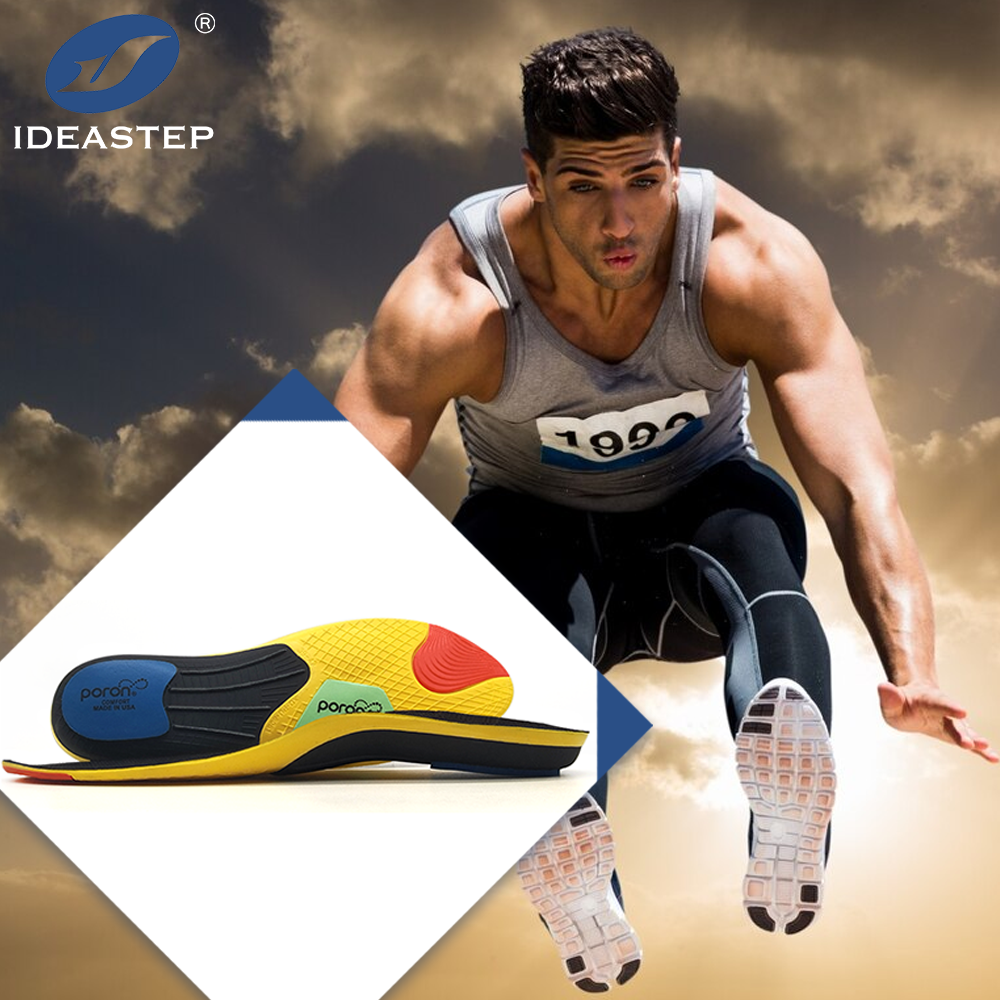
Sports Orthotic Insoles
Sports applications require lightweight designs with effective cushioning and stability.
Custom sports orthotic insoles may include:
- Shock absorption layers
- Flexible support structures
- Moisture control top layers
- Lightweight materials
They are commonly developed for running shoes, training footwear, and athletic products.
Medical Orthotic Insoles
Medical orthotic insoles require higher attention to structural design and production consistency.
Applications include:
- Healthcare footwear
- Foot care products
- Rehabilitation solutions
Manufacturers should have experience with material selection, support design, and customized production requirements.
How to Evaluate a Custom Orthotic Insole Factory Before Cooperation
Review Manufacturing Experience
Before cooperation, buyers should evaluate:
- Industry experience
- Product development capability
- Export experience
- Previous project experience
A manufacturer familiar with international markets can better understand different customer requirements.
Evaluate Sample Development Process
Sample development is an important step before mass production.
A capable factory should provide:
- Prototype development
- Design modification
- Material recommendations
- Production suggestions
An efficient sample process helps brands reduce development time and improve final product quality.
Check Long-Term Cooperation Capability
A suitable manufacturing partner should provide more than competitive pricing.
Important factors include:
- Communication efficiency
- Technical support
- Production stability
- Delivery reliability
Long-term cooperation depends on both manufacturing capability and service support.
Questions to Ask Before Choosing a Custom Orthotic Insole Factory
Before starting cooperation, buyers can evaluate suppliers through several questions:
- Can you provide OEM orthotic insoles?
- Do you support custom designs and private labels?
- What materials can be customized?
- Can you develop samples before bulk production?
- How do you control product quality during manufacturing?
These questions help businesses identify manufacturers with real development and production capabilities.
Conclusion: Building a Long-Term Partnership with the Right Manufacturer
Choosing the right custom orthotic insole factory is not only about finding a production supplier. It is about selecting a partner with expertise in design, materials, customization, and quality management.
For footwear brands, healthcare suppliers, and distributors, an experienced manufacturer can support the entire process from product development to mass production.
A reliable manufacturing partner helps businesses create customized orthotic solutions, improve product competitiveness, and build sustainable growth in the global foot care market.
Expand more related content: Ideastep Medical Orthotic Insoles Manufacturer for Healthcare and Footwear Brands.