Introduction: Developing Functional Magnetic Insoles for Foot Care Markets
Developing magnetic insoles requires more than adding magnetic components to a traditional insole. Product performance depends on the combination of structural design, material selection, cushioning performance, and manufacturing control.
For brands, distributors, and healthcare product suppliers, selecting an experienced custom magnetic insoles manufacturer is essential to developing products with consistent quality and market value. A capable supplier should understand foot care requirements, provide flexible customization options, and support the entire process from sample development to bulk production.
In neuropathy-related foot care applications, manufacturers typically focus on improving overall comfort through better cushioning, pressure management, and supportive structures while ensuring the product meets specific market requirements.
Understanding Magnetic Insoles for Neuropathy-Related Foot Care
What Are Magnetic Insoles?
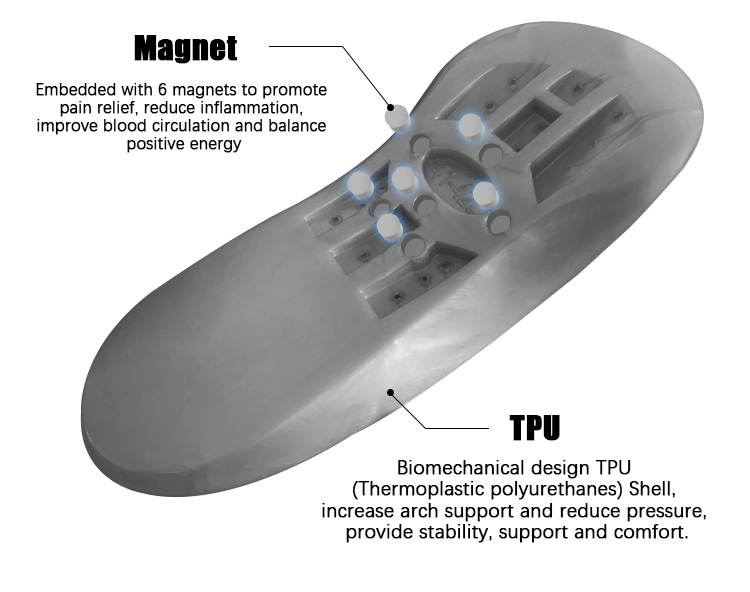
Magnetic insoles are foot care products that combine magnetic components with traditional insole structures.
A typical magnetic insole may include:
- Breathable top fabric layer
- Cushioning foam layer
- Support layer
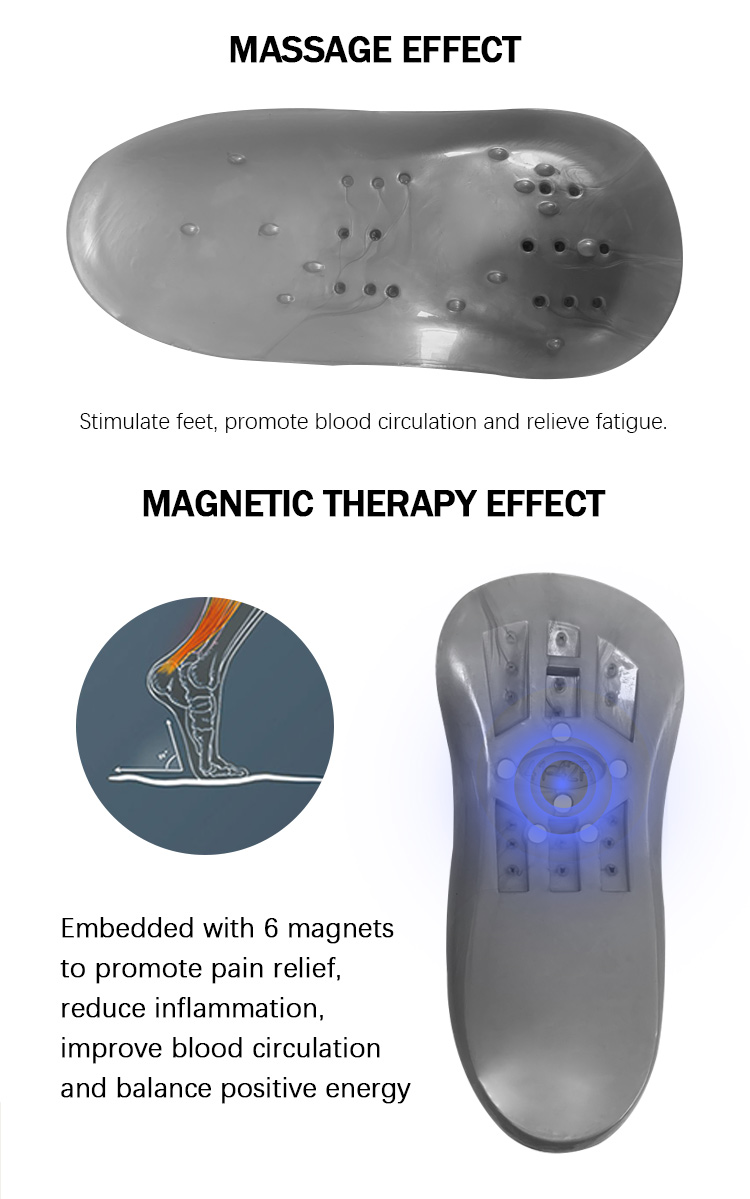
- Magnetic components
- Anti-slip bottom layer
The magnetic elements are usually integrated into the insole structure as one product feature. The overall performance depends on the combination of materials, support design, and manufacturing quality.
For commercial foot care products, a successful design needs to balance comfort, durability, and structural stability.
Design Considerations for Sensitive Feet
For neuropathy-related foot care applications, users often pay closer attention to cushioning, pressure distribution, and wearing comfort.
Therefore, manufacturers usually focus on:
- Reducing excessive pressure areas
- Improving cushioning performance
- Creating stable foot support
- Selecting soft and breathable materials
A suitable insole structure should provide comfort without sacrificing support. Excessively soft materials may reduce stability, while overly firm structures may affect wearing comfort.
Experienced manufacturers adjust material density, thickness, and support layers according to the target product positioning.
Custom Magnetic Insoles for OEM and Private Label Brands
Product Structure Customization
For footwear brands and distributors, customization capability is a key factor when choosing a supplier.
A professional manufacturer should be able to customize:
- Insole thickness
- Material combinations
- Cushioning layers
- Support structures
- Magnetic component placement
- Surface materials
Different markets may require different product designs. For example, comfort footwear, wellness products, and orthotic applications may have different requirements for cushioning and support.
A flexible development process allows brands to create products that match their market positioning.
OEM Manufacturing Capability
Working with an experienced OEM insoles supplier allows brands to develop customized products without managing their own production facilities.
A qualified supplier can support:
- Private label projects
- Custom logo printing
- Packaging solutions
- Product size options
- Sample development
- Bulk production
For companies entering the foot care market, reliable OEM support can simplify product development and improve production efficiency.
Key Design Features of Magnetic Insoles
Cushioning and Pressure Management
Cushioning performance is one of the most important factors in magnetic insole development.
A well-designed structure should help improve:
- Shock absorption
- Walking comfort
- Pressure distribution
- Daily wearing experience
Manufacturers can adjust cushioning performance through different foam densities and structural designs.
The right balance between softness and support is important for creating functional foot care products.
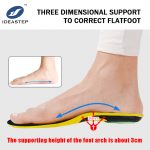
Arch Support and Foot Stability
Support structure plays an important role in overall insole performance.
Professional designs may include:
- Arch contour support
- Heel stabilization
- Multi-density construction
- Foot positioning support
For brands developing advanced foot care products, combining magnetic elements with custom orthotic insoles design principles can provide more product development possibilities.
Breathable Surface Materials
Since insoles remain in direct contact with the foot, surface materials influence comfort during daily use.
Common surface materials include:
- Microfiber
- Mesh fabric
- Velvet fabric
- Moisture-wicking textiles
These materials can improve breathability, softness, and moisture management.
Manufacturers can select different surface layers based on product requirements and target markets.
Materials Used in Magnetic Insole Manufacturing
EVA Foam
EVA foam is widely used in magnetic insole manufacturing because it offers a good balance between cushioning performance and production flexibility.
Manufacturers can adjust EVA hardness and density to achieve different levels of:
- Comfort
- Support
- Shock absorption
This makes EVA suitable for various foot care and comfort insole applications.
Memory Foam and PU Materials
Memory foam and PU materials are commonly selected for products requiring enhanced comfort.
Their characteristics include:
- Soft cushioning
- Improved foot contact
- Comfortable wearing experience
These materials are often used in comfort-focused and wellness footwear products.
Fabric Surface Layers
The top layer affects both product appearance and user experience.
Common options include:
- Microfiber
- Breathable mesh
- Velvet materials
For private label projects, manufacturers can customize surface materials according to brand requirements and product positioning.
Quality Control in Magnetic Insole Production
Consistent quality is important for brands and distributors managing long-term product supply.
A professional manufacturer should control quality throughout the production process.
Material Inspection
Checking incoming materials to ensure they meet required specifications.
Sample Approval
Confirming product structure, appearance, and performance before mass production.
Production Monitoring
Controlling:
- Product dimensions
- Layer bonding
- Processing accuracy
- Batch consistency
Final Inspection
Checking finished products before shipment to ensure they meet customer requirements.
A complete quality management system helps maintain stable production results for bulk orders.
How to Choose a Magnetic Insole Manufacturer
Evaluate Industry Experience
Before cooperation, buyers should review whether the supplier has experience in:
- Foot care products
- Orthotic insole development
- Custom manufacturing
- International business requirements
A manufacturer familiar with insole production can provide more practical recommendations during development.
Check Customization Ability
A suitable supplier should be able to support:
- OEM manufacturing
- ODM development
- Private label solutions
- Custom material combinations
Customization capability is especially important for brands looking to build differentiated product lines.
Confirm Production Capacity
For wholesale buyers and distributors, production stability is essential.
Important factors include:
- Consistent product quality
- Production efficiency
- Delivery reliability
- Communication response
Choosing a supplier with stable manufacturing capability helps reduce supply risks.
Questions to Ask Before Choosing a Magnetic Insole Supplier
Before starting cooperation, brands can evaluate suppliers through several questions:
- Can you develop custom magnetic insoles?
- Do you support OEM and private label projects?
- What materials can be customized?
- Can you provide samples before bulk production?
- How do you ensure product consistency?
These questions help buyers identify manufacturers with real development and production capabilities.
Conclusion: Building Better Foot Care Products with Custom Magnetic Insoles
Magnetic insoles combine functional components, cushioning materials, and supportive structures to create differentiated foot care products.
For brands, distributors, and healthcare suppliers, choosing the right manufacturing partner is a key step in developing competitive products.
An experienced magnetic insole manufacturer can provide support throughout the process, from product design and material selection to OEM production and quality control, helping businesses create reliable solutions for the global foot care market.
Expand more related content:
Magnetic Insoles for Plantar Fasciitis
Magnetic Insoles For Diabetic Neuropathy