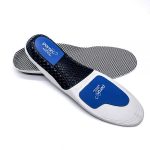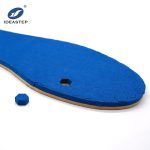
Functional insoles have become an important product category for footwear brands developing comfort and specialty footwear. For magnetic insoles for plantar fasciitis, successful product development depends not only on magnetic components but also on structure design, material selection, and footwear compatibility.
For brands, distributors, and healthcare product companies, choosing the right OEM partner is essential to create reliable functional insole products. This guide explains the key design factors, material options, and manufacturing process behind custom magnetic insoles.
What Are Magnetic Insoles?
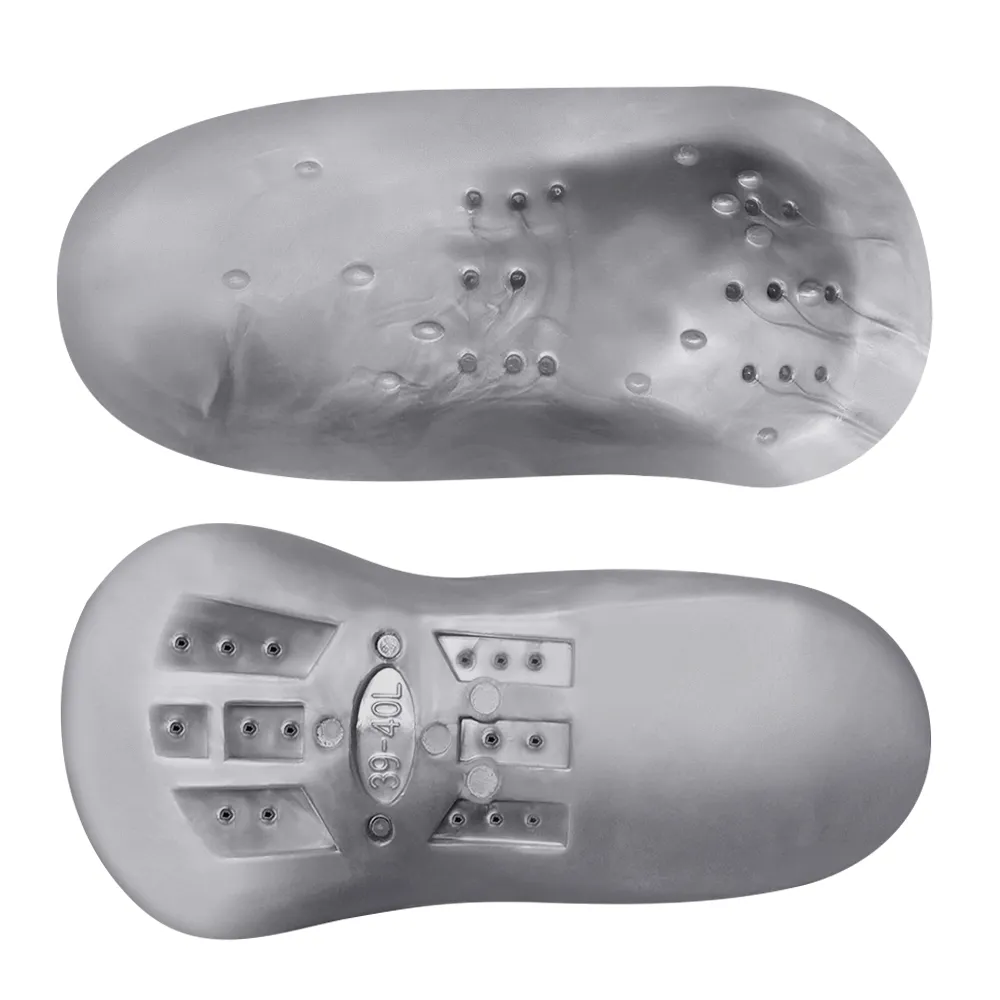
Magnetic insoles are functional footwear inserts that integrate magnetic components into a multi-layer insole structure. Instead of adding magnetic elements alone, professional designs combine cushioning, support, and breathable materials to create a complete insole solution.
Common components include:
- EVA cushioning foam
- TPU reinforcement structures
- PU or memory foam layers
- Breathable fabric covers
- Magnetic inserts or embedded magnetic elements
From an OEM perspective, the magnetic component is only one part of the product. The overall design, material combination, and manufacturing process determine the final product quality.
Why Brands Develop Magnetic Functional Insoles
Product Differentiation
The footwear market is becoming increasingly competitive, and brands are looking for ways to create products with stronger value beyond traditional cushioning features.
Magnetic insoles can be developed for different footwear categories, including:
- Healthcare footwear
- Walking shoes
- Comfort footwear
- Work shoes
- Wellness products
By combining functional concepts with professional insole construction, brands can create products designed for specific market needs.
Beyond Magnetic Features
A successful magnetic insole design should not rely only on magnetic components. The foundation of the product still comes from proper insole engineering.
Key design elements include:
- Arch support structure
- Heel cushioning
- Shock absorption
- Pressure distribution
- Material durability
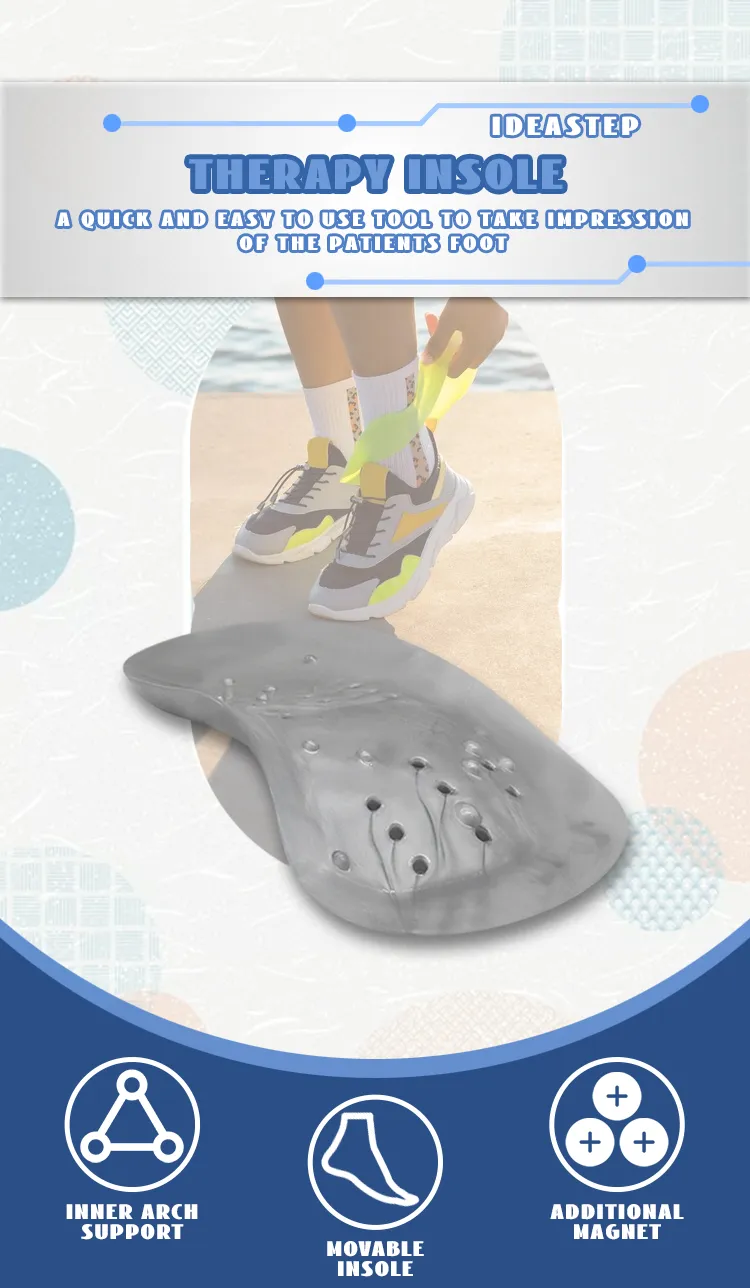
Key Design Considerations for Magnetic Insoles
Arch Support Structure
The arch area plays an important role in functional insole design. During OEM development, manufacturers evaluate arch height, foot shape, shoe space, and target applications to create suitable support structures.
A well-designed arch structure should provide functional support while maintaining flexibility and wearing comfort.
Pressure Distribution Design
Different areas of the foot experience different pressure levels during movement. Professional insole designs often use different material densities to create functional zones.
For example:
- Softer materials for cushioning areas
- Higher-density materials for reinforcement zones
- Flexible areas for natural movement
Heel Cushioning and Shock Absorption
The heel area receives repeated impact during walking and standing. Cushioning materials are commonly integrated into the heel section to improve overall wearing comfort.
Common solutions include:
- EVA foam cushioning layers
- PU foam materials
- Gel cushioning pads
Magnetic Component Integration
The integration method of magnetic components directly affects product reliability and durability.
Manufacturers need to consider:
- Component positioning
- Bonding strength
- Thickness control
- Long-term stability
Material Selection for Custom Magnetic Insoles
Material selection plays an important role in creating reliable custom magnetic insoles. Different materials are combined according to product positioning and footwear requirements.
| Material | Main Function |
|---|---|
| EVA Foam | Lightweight cushioning, flexible density adjustment, shock absorption |
| TPU | Structural reinforcement and shape retention |
| PU / Memory Foam | Soft feel and cushioning performance |
| Breathable Fabric | Surface comfort and moisture management |
OEM Development Process for Magnetic Insoles
Step 1: Requirement Review
Before production begins, manufacturers need to understand the brand’s product goals, including:
- Target market
- Footwear category
- Expected performance
- Order requirements
Step 2: Structure and Material Selection
Based on project needs, manufacturers recommend suitable materials and construction methods.
Development considerations include:
- EVA density selection
- Support structure design
- Magnetic component placement
- Overall thickness
Step 3: Prototype Testing
Prototype samples allow brands to evaluate the product before bulk production.
The process usually includes:
- Sample production
- Material confirmation
- Structure evaluation
- Design adjustment
Step 4: Production and Quality Control
Consistent quality is essential for functional insoles. Professional manufacturers control key production factors, including:
- Raw material inspection
- Thickness accuracy
- Layer bonding quality
- Magnetic component positioning
OEM Customization Options for Brand Customers
Professional OEM manufacturers can support brands with customized magnetic insole solutions, including:
- Custom structure design
- Material selection
- Size adjustment
- Logo branding
- Private label packaging
Sample evaluation before bulk production helps brands confirm product design and manufacturing feasibility.
Why Choose an OEM Magnetic Insole Manufacturer?
Developing magnetic functional insoles requires experience in material selection, footwear applications, and production management.
An experienced OEM partner can support brands with:
- Product design assistance
- Material recommendations
- Prototype development
- Bulk manufacturing
Reliable production capability and consistent quality control are important factors for long-term cooperation.
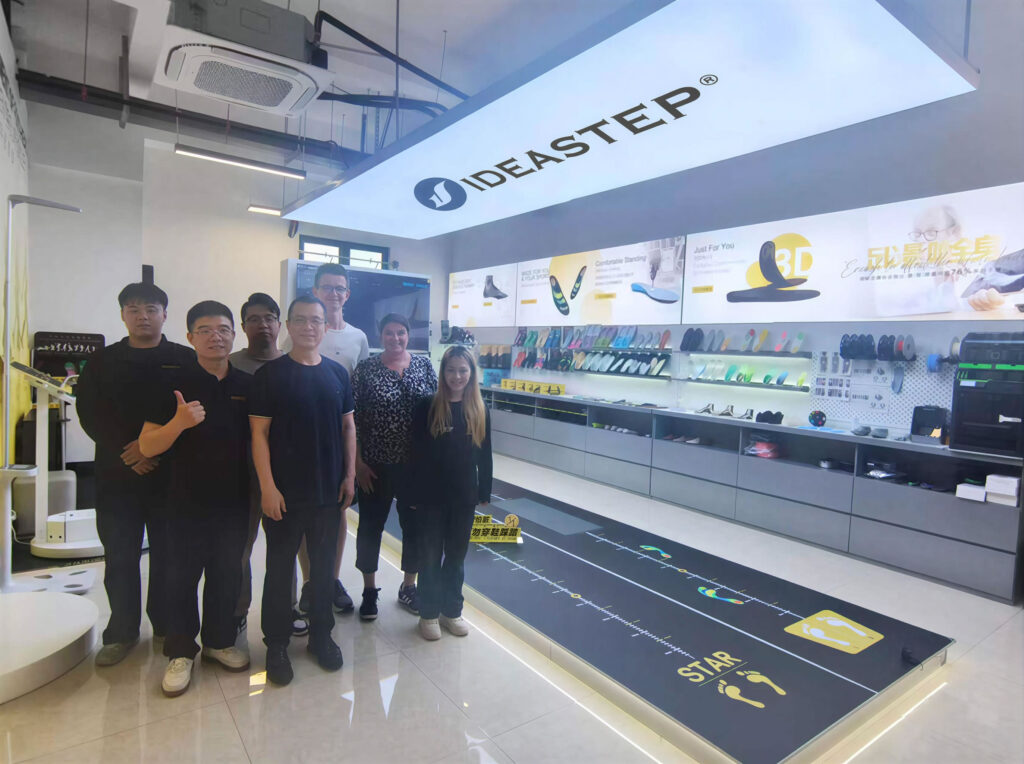
Develop Custom Magnetic Insoles with Ideastep
For brands entering the functional insole market, working with an experienced manufacturer can simplify product development and improve production efficiency.
Ideastep provides OEM and ODM solutions for custom orthotic insoles, supporting customers from product design and material selection to sampling and bulk production.
For qualified projects, sample evaluation can be arranged to help brands verify product structure and materials before full-scale manufacturing.
FAQ About Magnetic Insoles
What materials are used in magnetic insoles?
Common materials include EVA foam, TPU, PU foam, memory foam, breathable fabrics, and magnetic components.
Can brands customize magnetic insoles?
Yes. OEM manufacturers can customize structures, materials, sizes, branding, and packaging according to project requirements.
Can magnetic insoles be produced with private label branding?
Yes. Manufacturers can support private label projects with customized logos, packaging, and product specifications.
Conclusion
Developing magnetic insoles for plantar fasciitis requires more than adding magnetic elements to an insole. A successful product combines proper structure design, suitable materials, footwear compatibility, and reliable manufacturing processes.
For footwear brands and healthcare product companies, partnering with an experienced OEM magnetic insole manufacturer helps turn product concepts into market-ready functional insole solutions.
Related Reading:
Magnetic Insoles For Diabetic Neuropathy
Magnetic Insoles for Shoes: Benefits, Materials, and OEM Manufacturing Guide