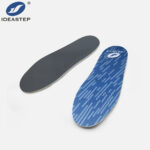
Sports insoles combine cushioning materials, arch support structures and surface fabrics to meet the design requirements of athletic footwear. For wholesalers, footwear manufacturers and sports brands, material selection, structural design and production consistency are key considerations when sourcing sports insoles.
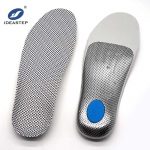
The IDEASTEP 1158 sports insoles are designed for basketball and running footwear. The construction combines PORON cushioning pads, a TPU support structure, a deep heel cup, a flexible metatarsal pad and a textured cotton top cover.
IDEASTEP offers wholesale supply and OEM/ODM cooperation options for businesses developing sports insole product lines. This article outlines the 1158 model’s main features, material configuration and sourcing considerations.

Key Structural Features of IDEASTEP 1158 Sports Insoles
The IDEASTEP 1158 integrates heel positioning, arch support and forefoot cushioning into one insole structure. Each component serves a distinct role in the overall design.
Deep Heel Cup and Three-Point Support
The 1158 features an extra-deep heel cup and a three-point support design covering the medial arch, lateral side and heel area. Together, these elements contribute to rearfoot positioning and structural support.
The design provides a defined heel area while connecting the arch and lateral support regions. For footwear manufacturers, this configuration offers a basis for evaluating insole stability and compatibility with different shoe constructions.
TPU Arch Support Structure
The built-in TPU component provides structural support around the arch while retaining flexibility. Its performance depends on factors such as thickness, geometry and placement within the insole.
Combining TPU support with the heel cup and forefoot cushioning creates an integrated structure for sports footwear applications. The final support characteristics should be assessed against the intended shoe design and product specifications.
Flexible Metatarsal Pad
The flexible metatarsal pad adds cushioning to the forefoot region. Its position and material properties influence how the forefoot interacts with the insole during movement.
For product development teams, the pad’s dimensions, flexibility and placement are relevant factors when evaluating the model for basketball and running footwear.
Cushioning Materials and Surface Technology
The IDEASTEP 1158 combines PORON pads, a soft rubber layer, a TPU support component and a textured cotton top cover. These materials contribute different characteristics to the finished construction.
PORON Forefoot and Heel Pads
The 1158 incorporates PORON cushioning pads in the forefoot and heel areas. According to the supplied product specifications, the PORON material is imported from the United States.
The heel pad is intended to absorb impact, while the forefoot pad provides additional cushioning during movement. This dual-zone configuration addresses two important contact areas within the insole.
For wholesale buyers, relevant evaluation criteria include material specifications, pad thickness, placement and consistency between approved samples and bulk production. Applicable test reports can provide further evidence when specific cushioning or impact-absorption performance is required.
Soft Shock-Absorbing Rubber Layer
The soft rubber layer provides additional cushioning throughout the insole. It works alongside the PORON pads and TPU support structure to form the complete material system.
During product evaluation, buyers can assess cushioning characteristics, flexibility, component integration and dimensional consistency against their technical requirements.
Textured Cotton Top Cover
The textured cotton top cover is designed to provide surface grip and moisture management. Its fabric structure contributes to the insole’s contact surface and overall material configuration.
The supplied specifications also describe the fabric as antimicrobial. Any antimicrobial claim used in product marketing should be supported by relevant material documentation or test results.
Material Configuration at a Glance
| Component | Primary Function |
|---|---|
| Textured cotton top cover | Surface grip and moisture management |
| Soft rubber layer | Additional cushioning |
| PORON forefoot pad | Forefoot cushioning |
| PORON heel pad | Heel cushioning and impact absorption |
| TPU component | Structural and arch support |
| Deep heel cup | Rearfoot positioning |
| Flexible metatarsal pad | Forefoot cushioning and support |
This material combination gives product developers a clear framework for reviewing the 1158’s construction and identifying potential customization requirements.
Applications in Basketball and Running Footwear
The IDEASTEP 1158 is specified for basketball and running applications. Its cushioning pads and structured support components make it a candidate for evaluation in both footwear categories.
Sports Insoles for Basketball Shoes
Basketball footwear must accommodate frequent changes in direction, jumping, landing and lateral movement. Insole design is one part of the overall footwear system that influences cushioning and the interaction between the foot and shoe.
The 1158 combines a deep heel cup, TPU support structure and forefoot cushioning. These features make the model relevant for evaluation in basketball footwear programs that require a structured insole with cushioning elements.
During product development, buyers should check the available internal shoe volume, heel fit, forefoot flexibility and compatibility with the original footbed.
Sports Insoles for Running Shoes
Running involves repeated loading cycles, making cushioning configuration and fit important considerations in insole development.
The 1158’s heel and forefoot cushioning pads address two principal contact regions, while the TPU structure provides additional support. However, suitability will vary according to shoe geometry, insole thickness, running style and intended use.
For running footwear projects, sample evaluation should focus on fit, cushioning characteristics, flexibility and dimensional compatibility with the target shoe.

IDEASTEP 1158 Sports Insoles: Product Specifications
Before requesting a quotation, procurement teams should confirm the product’s core specifications and any additional requirements for their target market.
| Specification | Details |
|---|---|
| Brand | IDEASTEP |
| Model Number | 1158 |
| Product Type | Sports Insoles |
| Size Range | 39–46# |
| MOQ | 1,000 pairs |
| Applications | Basketball and running footwear |
| Key Features | Non-slip surface, cushioning and arch support |
| Main Materials | Cotton fabric, rubber, TPU and PORON cushioning pads |
| Place of Origin | Xiamen, Fujian, China |
| Supply Options | Wholesale and OEM/ODM cooperation |
Buyers should confirm size assortment, packaging, production lead time and other order conditions before placing a bulk order. Additional specifications can be reviewed when a project requires changes to the standard configuration.
OEM/ODM Sports Insoles for Wholesale Buyers
IDEASTEP supports OEM/ODM discussions for businesses seeking sports insoles aligned with their product specifications and market requirements.
Product and Material Customization
Depending on manufacturing feasibility, customization projects may involve material selection, dimensions, cushioning components, support structures or other product specifications.
To evaluate a project, buyers should provide the target footwear category, required size range, material preferences, technical requirements and estimated order quantity. Reference samples or technical drawings can also help clarify the proposed design.
The available customization scope should be confirmed before sample development.
Private Label and Packaging
Sports brands and distributors may require branded product identification or customized packaging. These requirements should be discussed alongside the product specifications to establish feasibility, costs and applicable minimum quantities.
Sample Approval and Bulk Production
Before bulk production, the approved sample should serve as the reference for agreed materials, dimensions, structure and surface quality.
Any changes identified during evaluation should be confirmed before production begins. Buyers should also agree on inspection criteria, size assortment and delivery schedules as part of the order planning process.
Material Documentation and Quality Requirements
Material documentation and test reports help buyers evaluate whether a sports insole meets their technical requirements. The relevant evidence depends on the material, the performance claim and the target market.
For the IDEASTEP 1158, buyers can request information on available documentation during the sourcing process. Key points to verify include:
- Material identification: Whether the documented material matches the specified component.
- Test scope: Whether the results apply to a raw material, individual component or finished product.
- Performance claims: Whether the evidence supports the exact claim used in product descriptions or packaging.
- Market requirements: Whether additional testing or documentation is needed for the destination market.
Cushioning, durability, slip resistance and antimicrobial performance should be supported by evidence relevant to each specific claim.
The supplied product information references the American Board of Certification of Pedorthics and C.Ped. #4290. Before publication, the credential holder and the permitted use of this reference should be verified. It should not be presented as a product certification without separate supporting evidence.
Sourcing Sports Insoles for Bulk Orders
When comparing sports insole suppliers, procurement teams should focus on product specifications, manufacturing requirements and order consistency.
Product Compatibility
Confirm the size range, dimensions and intended footwear application.
Material Requirements
Specify the required cushioning components, support structure and top-cover characteristics.
MOQ and Lead Time
The IDEASTEP 1158 has a minimum order quantity of 1,000 pairs. Confirm production schedules, packaging and shipping arrangements with the supplier.
Customization Scope
Document proposed OEM/ODM changes and confirm technical feasibility before sample approval.
Quality Documentation
Establish the required specifications, inspection criteria and supporting documents before production.
These details help align product development, purchasing and production expectations before a bulk order is confirmed.
Request a Wholesale Quote for IDEASTEP 1158 Sports Insoles
The IDEASTEP 1158 combines PORON cushioning pads, TPU arch support, a deep heel cup and a textured cotton top cover for basketball and running footwear applications.
For sports insole wholesalers, distributors, footwear manufacturers and brands, IDEASTEP offers wholesale supply and OEM/ODM project discussions.
Contact IDEASTEP to discuss wholesale pricing, sample availability and customization requirements. Include your target market, estimated order quantity, size range and technical specifications to help the team evaluate your request.
Visit the IDEASTEP Contact Page to discuss your sourcing requirements.
Related product links: https://www.aideastep.com/product/athletic-insoles-for-basketball-and-runinng/.