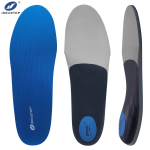
Many footwear brands, healthcare distributors, and foot care companies are looking to expand their product lines with customized orthotic products. Instead of investing in their own manufacturing facilities, businesses can work with an experienced orthotic insole manufacturer to develop products under their own brand.
Building a successful private label orthotic insole brand requires more than selecting an existing product. Material selection, support structure, product positioning, quality control, and manufacturing capability all influence the final product performance and market acceptance.
What Are Private Label Orthotic Insoles?
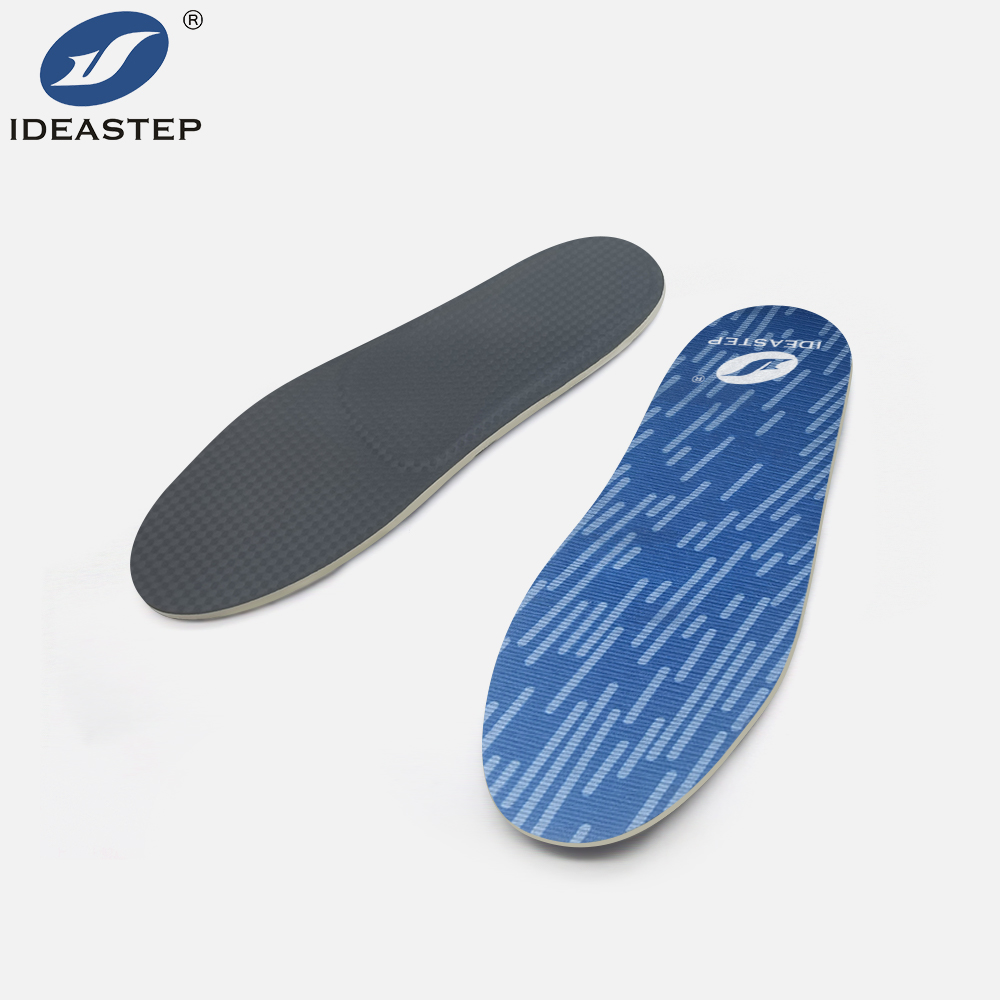
Private label orthotic insoles are products developed and manufactured by a specialized supplier and sold under a customer’s own brand name. The manufacturer manages product development and production, while the brand owner focuses on sales, marketing, and customer relationships.
Compared with standard wholesale products, private label manufacturing allows businesses to customize product features, materials, packaging, and branding to create differentiated products for specific markets.
Why Brands Choose Private Label Orthotic Insoles
For companies entering the foot care market, private label manufacturing provides a practical way to develop customized orthotic products without building their own production system.
Reduce Product Development Investment
Working with an experienced manufacturer allows brands to access professional production capabilities, material knowledge, and product development experience without establishing their own factory.
Create Customized Products
Private label programs give brands more control over product design, including materials, support levels, insole structures, logo branding, and packaging.
Expand Foot Care Product Lines
Businesses can develop different orthotic insole categories based on market demand, including arch support insoles, sports insoles, comfort insoles, and medical foot care products.
How to Develop Your Own Private Label Orthotic Insoles
Define Your Product Requirements
Before starting product development, brands should clearly define their target customers, footwear applications, and functional requirements.
Important factors include:
- Target market and customer needs
- Required support level
- Footwear compatibility
- Material preference
- Price positioning
For example, sports footwear brands may focus on cushioning and flexibility, while foot care companies may require stronger arch support and stability features.
Select an Experienced Orthotic Insole Manufacturer
Choosing the right manufacturing partner is one of the most important steps when developing private label products.
A professional orthotic insole manufacturer should have experience in:
- Orthotic product development
- Material selection and combination
- Structural design optimization
- Prototype development
- Mass production management
Choose Suitable Materials and Structures
The performance of orthotic insoles depends greatly on material combinations and structural design. Different applications require different levels of cushioning, support, and flexibility.
Customization Options for Private Label Orthotic Insoles
Material Selection
Choosing the right materials helps determine comfort, durability, support, and product positioning. Common materials used in custom orthotic insoles include:
EVA Foam
EVA is widely used in orthotic insoles because it provides lightweight cushioning and flexible density adjustment. Different EVA formulations can be developed for various support and comfort requirements.
PU Foam
PU foam offers long-lasting cushioning and resilience, making it suitable for applications requiring improved comfort and durability.
TPU Support Components
TPU structures are commonly used to enhance arch support, stability, and overall insole performance.
Fabric Top Layers
Fabric covers can improve breathability, moisture management, and wearing comfort for daily use.
Functional Structure Design
Custom orthotic insoles can be developed with different functional structures based on user requirements, including:
- Arch support structures
- Deep heel cup designs
- Shock absorption areas
- Metatarsal support zones
- Multi-density constructions
The right structure depends on the target users, footwear type, and intended application.
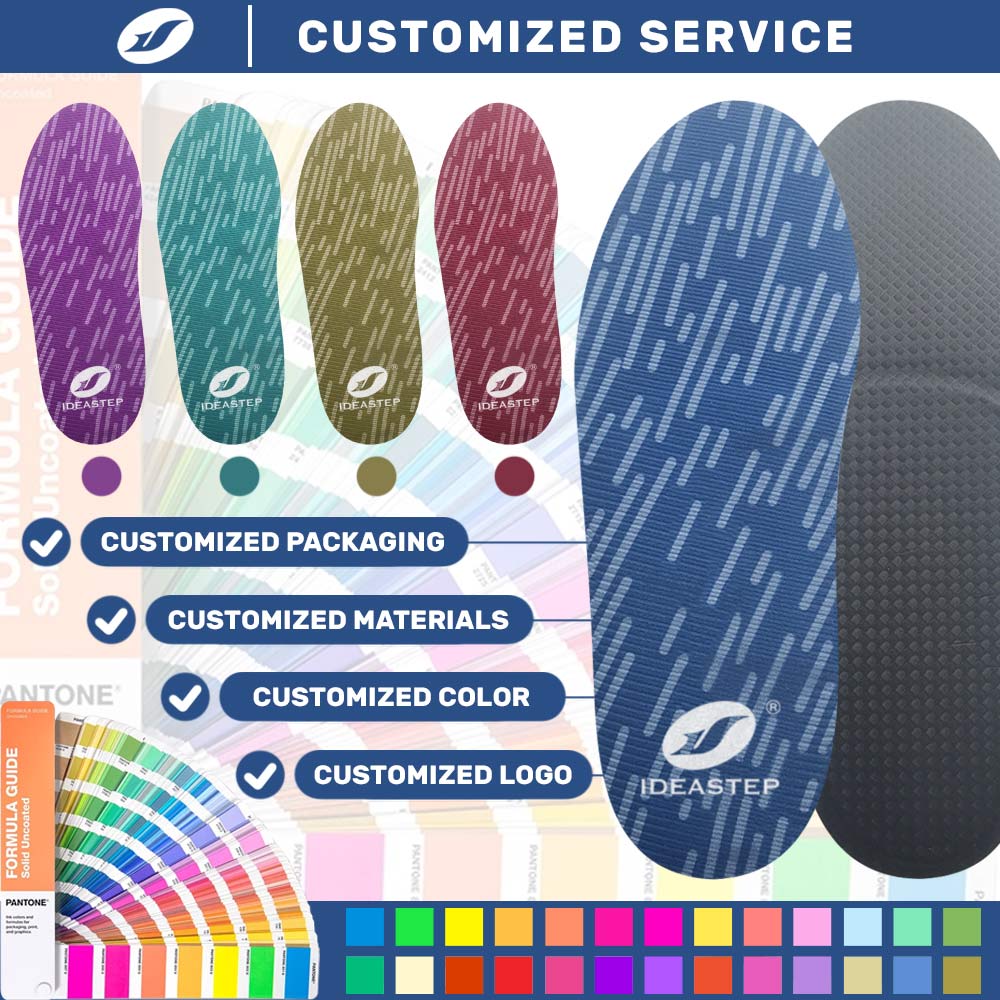
Branding and Packaging
Private label projects can also include customized branding elements, such as:
- Logo printing
- Custom colors
- Product labels
- Retail packaging
OEM Orthotic Insole Development Process
1. Requirement Analysis
The development process begins with understanding the customer’s product goals, including market positioning, functional requirements, materials, and expected order quantity.
2. Prototype Development
Manufacturers develop samples based on the product requirements. During this stage, materials, structure, size, and overall design can be evaluated and adjusted.
3. Testing and Adjustment
Sample testing helps identify improvements in comfort, support, and product performance before moving into mass production.
4. Mass Production
After sample approval, production begins with quality control throughout the manufacturing process to maintain consistent product performance.
How to Choose the Right Private Label Insole Supplier?
Evaluate Product Development Capability
A capable supplier should provide more than manufacturing. They should be able to offer material recommendations, structural suggestions, and product improvement advice based on application requirements.
Check OEM Manufacturing Experience
Experienced suppliers understand the requirements of different markets and can support customized projects from initial concepts to finished products.
Consider Quality Control and Production Capacity
For wholesale buyers, stable quality control, reliable production capacity, and consistent delivery are essential for long-term cooperation.
Private Label Orthotic Insole Applications
Arch Support Insoles
Designed for customers seeking improved foot support and comfort during daily activities and extended standing.
Sports Orthotic Insoles
Developed for athletic footwear applications where cushioning, flexibility, and stability are important.
Medical Foot Care Insoles
Used in professional foot care applications where functional support and material performance are key considerations.
FAQ About Private Label Orthotic Insoles
Can I customize orthotic insoles with my own brand?
Yes. Private label manufacturers can customize product materials, structures, branding, and packaging according to customer requirements.
How do I find a reliable orthotic insole manufacturer?
Businesses should evaluate manufacturing experience, product development capability, customization options, quality control, and production capacity before selecting a supplier.
What is the MOQ for private label orthotic insoles?
MOQ requirements depend on product design, materials, customization level, and production requirements. A professional supplier can recommend suitable options based on the project.
Conclusion
Creating a private label orthotic insole brand does not require building your own manufacturing facility. By working with an experienced orthotic insole manufacturer, businesses can develop customized products that match their brand positioning and target market.
From material selection and structural design to prototype development and mass production, the right manufacturing partner can help brands build reliable orthotic product lines with consistent quality.
Related Reading: Ideastep Medical Orthotic Insoles Manufacturer for Healthcare and Footwear Brands.