Orthopedic foot braces are an important product category for medical supply distributors, rehabilitation equipment suppliers, and orthopedic product brands. For B2B buyers, sourcing the right products requires a clear understanding of brace types, construction, sizing, quality requirements, and supplier capabilities.
This guide covers the main types of orthopedic foot braces, key product specifications, quality-control considerations, and practical steps for evaluating suppliers for wholesale and private-label projects.
1. Common Types of Orthopedic Foot Braces
Foot Drop Braces
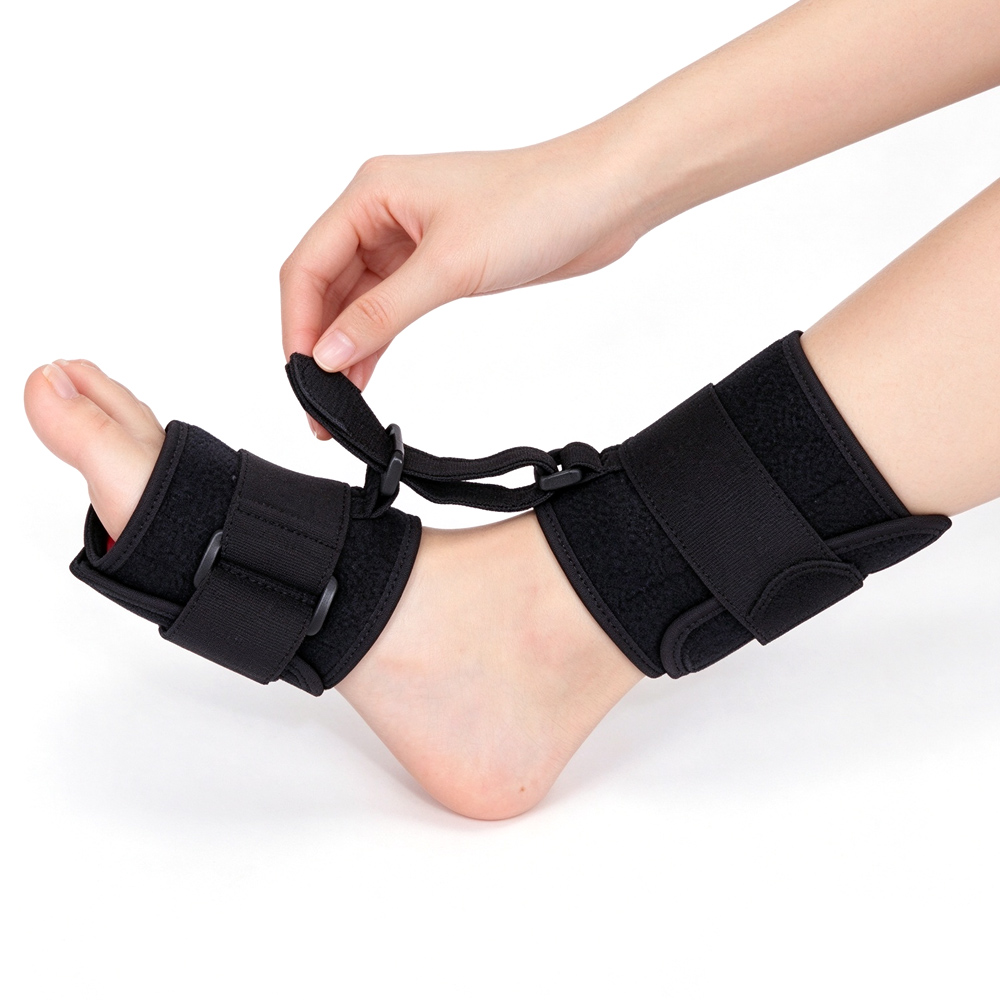
Foot drop braces are designed for applications involving difficulty lifting the front part of the foot. Depending on the model, the structure may incorporate flexible or rigid support components. Buyers should review the intended use, material composition, size options, and fastening design before selecting products for distribution.
Ankle-Foot Orthoses
An ankle-foot orthosis (AFO) supports the foot and ankle as a combined unit. Designs vary according to the required level of support, structural rigidity, and intended application. Key purchasing factors include material, weight, fit, stiffness, and compatibility with the specified use.
Night Splints and Positioning Supports
Night splints and positioning supports are designed for specific resting or positioning applications. Unlike braces intended for use during walking, these products may have different shapes, fastening systems, and support structures. Clear product descriptions and labeling help distributors distinguish them from other foot brace categories.
Soft and Adjustable Foot Braces
Soft foot braces may use textile materials, padding, and adjustable straps, while other models incorporate more rigid components. Their function depends on the design and intended use. Buyers should assess material quality, stitching, fastening durability, adjustment range, and available sizes when comparing products.
2. Applications in Medical and Rehabilitation Supply
Orthopedic foot braces are supplied through medical equipment distributors, rehabilitation product suppliers, orthopedic retailers, and specialized healthcare channels. Each channel may require different product configurations, documentation, packaging, and inventory arrangements.
For distributors, a clearly organized product range helps distinguish braces by intended application, construction, and sizing. Before sourcing, buyers should confirm the product’s intended use and review any applicable documentation or market-specific requirements.
3. Materials and Product Design
Material Composition
Depending on the design, orthopedic foot braces may incorporate textiles, foam padding, polymer components, or other structural materials. These materials affect product weight, flexibility, durability, cleaning requirements, and overall construction.
For supplier evaluation, request material specifications for each model. Where relevant, confirm care instructions, information about skin-contact materials, and available material-testing documentation.
Support Structure and Fastening
The support structure determines how a brace is configured and secured. Some models use flexible components and adjustable straps, while others incorporate rigid support elements. Therefore, buyers should evaluate the construction against the intended application rather than compare products by category name alone.
During sample inspection, check component alignment, stitching, edge finishing, strap adjustment, and closure performance. These details can affect product consistency and service life.
Sizing and Product Configuration
Foot braces may be available in universal sizes, multiple standard sizes, or separate left- and right-side configurations. These differences influence SKU planning, inventory requirements, and packaging.
Before ordering, confirm the manufacturer’s sizing chart, measurement method, available configurations, and any model-specific fitting requirements. Accurate specifications help reduce ordering errors and simplify repeat purchases.
4. Quality Control for Orthopedic Foot Braces
Material and Dimensional Inspection
Incoming inspection should verify that materials and components meet the approved specifications. Depending on the product, checks may cover material identity, dimensions, appearance, and other defined characteristics. Clear acceptance criteria help suppliers and buyers evaluate consistency across batches.
Construction and Functional Checks
Finished-product inspection may include stitching, component placement, fastening performance, dimensions, and overall workmanship. Additional tests should reflect the product’s design and applicable requirements. Visual inspection alone does not establish functional performance or regulatory compliance.
Batch Consistency and Packaging
Consistent specifications are important for wholesale programs and repeat orders. Buyers should document approved product details, establish inspection criteria, and retain reference samples where appropriate.
Packaging checks should cover product identification, size labeling, quantities, and agreed packaging requirements. These controls help maintain consistency throughout distribution and replenishment.
5. How to Source Orthopedic Foot Braces in Bulk
Define Product Requirements
A detailed inquiry helps suppliers evaluate the request accurately. Buyers should specify the brace type, intended market, estimated quantity, size range, material requirements, and packaging needs. Reference photographs, drawings, or technical documents can further clarify the required configuration.
Compare MOQ, Pricing, and Lead Time
Minimum order quantity (MOQ), unit price, and lead time depend on the product model, order volume, and customization scope. To compare suppliers fairly, request quotations based on equivalent specifications and quantities.
Buyers should also confirm whether the quoted lead time includes sampling, production, inspection, and packaging. This information supports inventory planning and delivery coordination.
Evaluate Samples Before Production
Samples allow buyers to compare the physical product with the agreed specifications before placing a bulk order. Checks may include materials, dimensions, construction, fastening, labeling, and packaging.
Once approved, the sample specifications should be documented for future reference. Any subsequent changes should be reviewed and agreed upon before production.
Verify Documentation and Market Requirements
Documentation requirements vary according to product classification and destination market. Depending on applicable rules, buyers may need technical records, labeling information, conformity evidence, or other regulatory documents.
Importers and distributors should confirm these requirements before ordering and establish which documents the supplier can provide. Product claims and compliance statements should be supported by appropriate evidence.
6. OEM, ODM, and Private-Label Considerations
OEM and ODM projects may involve branding, packaging, selected material options, or product modifications, depending on the supplier’s actual capabilities. Before proceeding, buyers should confirm which services are available for the specific brace model.
Not every project requires a new design. An existing model with agreed labeling and packaging may meet some purchasing requirements, while more extensive changes may involve additional development time, minimum quantities, and technical review.
Before confirming an order, buyers should establish the product specifications, customization scope, sample approval process, commercial terms, and required documentation. Clear agreements reduce misunderstandings and provide a consistent basis for production.
7. Frequently Asked Questions
What Is the Difference Between a Foot Drop Brace and an AFO?
A foot drop brace is generally intended for applications involving difficulty lifting the front of the foot. An AFO supports the foot and ankle as a combined unit and may address a broader range of positioning or stability requirements. The exact function depends on the product design and intended use.
What Should Wholesale Buyers Check Before Ordering?
Review product specifications, materials, construction, sizing, MOQ, lead time, packaging, and applicable documentation. Sample approval and defined quality criteria are also important for bulk purchasing.
Can Orthopedic Foot Braces Be Supplied Under a Private Label?
Some suppliers offer private-label services, including selected branding and packaging options. Availability depends on the supplier and product model, so buyers should confirm the scope, minimum quantities, and documentation implications before proceeding.
How Can Buyers Maintain Consistency Across Repeat Orders?
Document approved specifications, establish inspection criteria, and retain reference samples where appropriate. Suppliers should also communicate material or design changes before introducing them into subsequent production batches.
What Information Is Needed for a Bulk Quotation?
Provide the product type, estimated quantity, target market, size range, material requirements, packaging specifications, and delivery schedule. Drawings, photographs, or reference samples can help clarify customized requirements.
8. Selecting an Orthopedic Foot Brace Supplier
Supplier selection should consider product specifications, manufacturing consistency, documentation, MOQ, lead time, and communication—not unit price alone. Buyers should evaluate samples against documented requirements and confirm quality expectations before placing bulk orders.
For distributors and private-label brands, a structured sourcing process helps clarify requirements, compare suppliers, and manage repeat orders. Clear specifications and agreed inspection procedures also support more reliable purchasing decisions.
9. Discuss Your Orthopedic Foot Brace Sourcing Requirements
Are you sourcing orthopedic foot braces for wholesale distribution or a private-label product range? Prepare your required brace type, estimated order quantity, target market, size range, and packaging specifications before starting a supplier discussion.
Contact our team to discuss your sourcing inquiry and potential cooperation requirements.
Browse Related Products: https://www.aideastep.com/product-category/foot-and-ankle-products/.