Developing high-quality orthotic insoles requires more than selecting materials and shaping a shoe insert. A complete orthotic insole manufacturing process involves product planning, structural design, material selection, prototype evaluation, and production control.
For footwear brands, healthcare companies, and private label buyers, understanding the manufacturing process helps them select the right OEM partner and improve product development efficiency.
This guide covers the key stages of developing custom orthotic insoles, from initial design to mass production.
What Is Orthotic Insole Manufacturing?
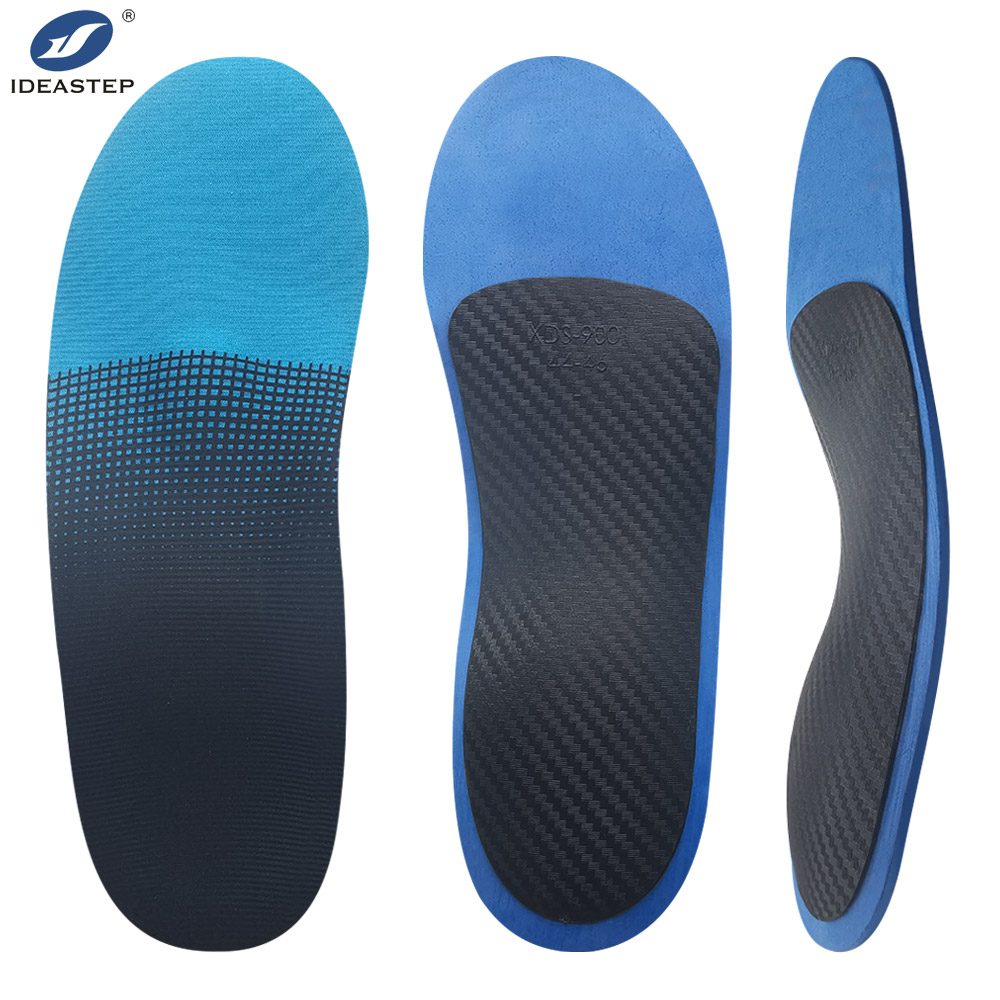
Orthotic insole manufacturing is the process of designing and producing functional insoles according to specific foot support requirements, footwear applications, and market needs.
Compared with standard comfort insoles, orthotic insoles focus more on:
- Foot support
- Stability
- Pressure distribution
- Long-term wearing comfort
OEM orthotic insoles are usually developed with a combination of materials, including:
- EVA foam cushioning layers
- TPU reinforcement components
- PU or memory foam
- Breathable fabric covers
The final structure is customized according to the target users, footwear type, and product positioning.
Step 1: Product Requirement Analysis
Before development begins, manufacturers need to understand the project goals and product specifications.
Market Application
Different footwear categories require different insole solutions, such as:
- Healthcare footwear
- Sports footwear
- Work shoes
- Comfort footwear
For example, sports insoles may focus on cushioning and flexibility, while healthcare-oriented products often require stronger support structures.
Product Specification Confirmation
During the initial stage, brands and manufacturers usually confirm:
- Target users
- Size range
- Thickness
- Support level
- Material requirements
- Packaging requirements
- Production quantity
Clear specifications help reduce unnecessary adjustments during sampling and production.
Step 2: Orthotic Insole Design and Engineering Development
After requirements are confirmed, engineers begin developing the product structure.
This stage determines the functional performance and manufacturing feasibility of the insole.
Foot Structure Analysis
A well-designed custom orthotic insole considers important factors such as:
- Arch height
- Heel position
- Pressure distribution areas
Different applications require different structural solutions.
- Flat foot products may require stronger arch support.
- High arch designs may focus on cushioning and pressure balance.
- Sports applications may require flexibility and shock absorption.
CAD and 3D Design Development
Modern orthotic insole manufacturing often uses CAD and 3D modeling technology to improve design accuracy.
Engineers can adjust:
- Arch height
- Heel cup structure
- Thickness distribution
- Support areas
Digital design allows manufacturers to optimize the structure before prototype production and reduce unnecessary sample modifications.
Functional Structure Development
Professional orthotic insoles usually combine multiple functional areas:
Arch Support Area
Provides targeted support based on foot type and product requirements.
Heel Cup Structure
Improves heel positioning and stability.
Cushioning Zone
Uses softer materials to improve comfort and shock absorption.
Reinforcement Area
Uses higher-density materials for additional structural support.
Step 3: Material Selection for Orthotic Insoles
Material selection directly affects comfort, durability, support performance, and production cost.
| Material | Main Function |
|---|---|
| EVA Foam | Lightweight cushioning, density adjustment, shock absorption |
| TPU | Structural reinforcement and shape retention |
| PU / Memory Foam | Soft cushioning and comfort improvement |
| Fabric Layer | Breathability and surface comfort |
EVA Foam
EVA is widely used in orthotic insoles because its density and hardness can be adjusted according to different support and cushioning requirements.
TPU Components
TPU is commonly used in reinforcement areas where additional stability and shape retention are required.
PU and Memory Foam
These materials are often used in comfort-focused designs to improve cushioning and wearing experience.
Step 4: Prototype Development and Evaluation
Before mass production, prototype development allows brands to verify product design and make adjustments.
The sampling process usually includes:
- Material confirmation
- Structure production
- Sample evaluation
- Design modification
Manufacturers may adjust:
- Thickness
- Hardness
- Support structure
- Material combination
A proper prototype process helps ensure smoother bulk production.
Step 5: Mold Development and Production Preparation
For large-volume OEM projects, mold development is an important preparation stage.
Manufacturers confirm:
- Product dimensions
- Mold specifications
- Production methods
- Quality standards
Proper tooling preparation helps maintain consistency during mass production.
Step 6: Orthotic Insole Mass Production and Quality Control
After sample approval, products move into mass production.
Material Cutting
Materials are cut according to approved specifications to ensure accurate dimensions and consistent quality.
Layer Bonding
Many orthotic insoles use multi-layer structures, including:
- Fabric top layer
- Cushioning foam layer
- Support layer
- Bottom reinforcement layer
Proper bonding ensures product durability.
Forming and Shaping
Depending on the design, manufacturers may use:
- Heat forming
- Compression molding
- Structural shaping
This creates the final support profile of the insole.
Quality Inspection
Quality control checks commonly include:
- Size accuracy
- Material consistency
- Bonding strength
- Surface quality
- Structural stability
Finishing and Packaging
Before shipment, finished products may include:
- Edge trimming
- Surface finishing
- Individual packaging
- Carton packing
OEM suppliers can also support private label packaging according to brand requirements.
OEM Customization Options for Orthotic Insoles
For brands developing their own products, OEM customization provides flexibility in design and branding.
Product Design
Brands can customize:
- Insole structure
- Material combinations
- Hardness levels
- Support design
Private Label Solutions
Manufacturers can support:
- Custom logos
- Packaging design
- Product labels
- Size specifications
Production Support
OEM cooperation may include:
- Sample development
- Production planning
- Bulk manufacturing
- Quality management
How to Choose an Orthotic Insole Manufacturer?
Manufacturing Experience
A qualified supplier should understand:
- Footwear applications
- Orthotic structures
- Material performance
- Production processes
Engineering Capability
A reliable OEM partner should provide:
- Product development support
- Structure optimization
- Material recommendations
- Prototype solutions
Quality Control System
Stable production depends on:
- Reliable materials
- Standardized processes
- Consistent inspection procedures
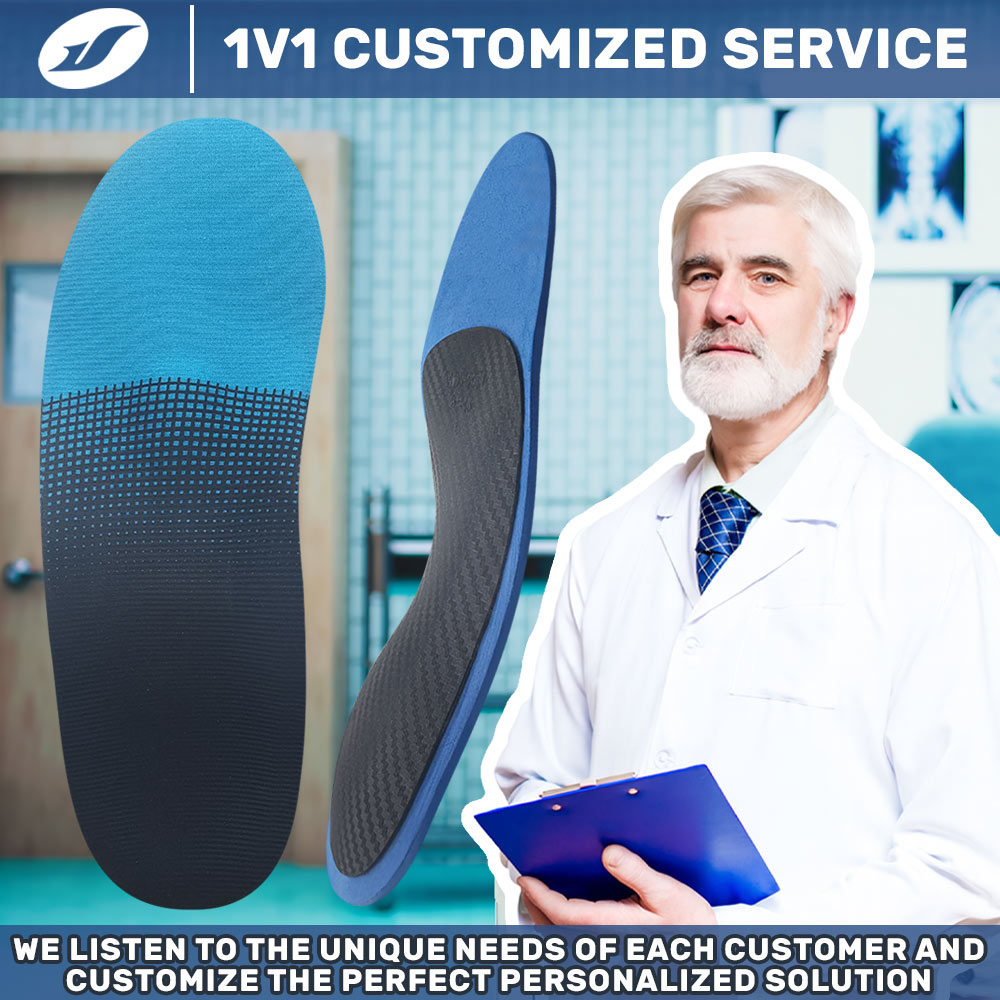
Develop Custom Orthotic Insoles with Ideastep
Developing orthotic insoles requires experience in product engineering, materials, and manufacturing management.
Ideastep supports footwear brands, healthcare companies, and distributors with customized orthotic insole manufacturing solutions, including:
- Product structure development
- Material selection
- Prototype sampling
- Bulk production
From initial concepts to finished products, Ideastep helps customers develop insole solutions that match their market requirements.
For qualified projects, sample evaluation can be arranged before full-scale manufacturing.
FAQ About Orthotic Insole Manufacturing
Can brands customize orthotic insoles?
Yes. OEM manufacturers can customize materials, structures, sizes, branding, and packaging based on project requirements.
Can manufacturers provide samples before bulk production?
Yes. Sample development allows brands to evaluate product design and materials before placing larger orders.
What materials are commonly used in orthotic insoles?
Common materials include EVA foam, TPU, PU foam, memory foam, and breathable fabric layers.
Conclusion
The orthotic insole manufacturing process includes multiple stages, from product planning and engineering design to prototype testing and mass production.
For footwear brands and healthcare companies, choosing an experienced OEM orthotic insole manufacturer can improve development efficiency and ensure consistent product quality.
A reliable manufacturing partner provides not only production capability but also support in design optimization, material selection, and customized solutions, helping brands create competitive orthotic insole products.
Related Reading: Behind the Scenes: How Our Orthotic Insoles Are Manufactured.