For companies developing products in the foot care market, creating diabetic insoles requires more than selecting soft materials. The performance of an insole depends on a combination of material properties, structural design, cushioning performance, and manufacturing consistency.
Magnetic diabetic insoles combine functional components with traditional insole structures to create differentiated foot care products. However, the magnetic element is only one part of the overall design. A successful product requires proper material selection, ergonomic support, and reliable production processes.
For foot care brands, medical product companies, and distributors, partnering with an experienced diabetic insole manufacturer can help transform product concepts into market-ready solutions through professional OEM and ODM support.
Why Brands Develop Specialized Diabetic Foot Insoles
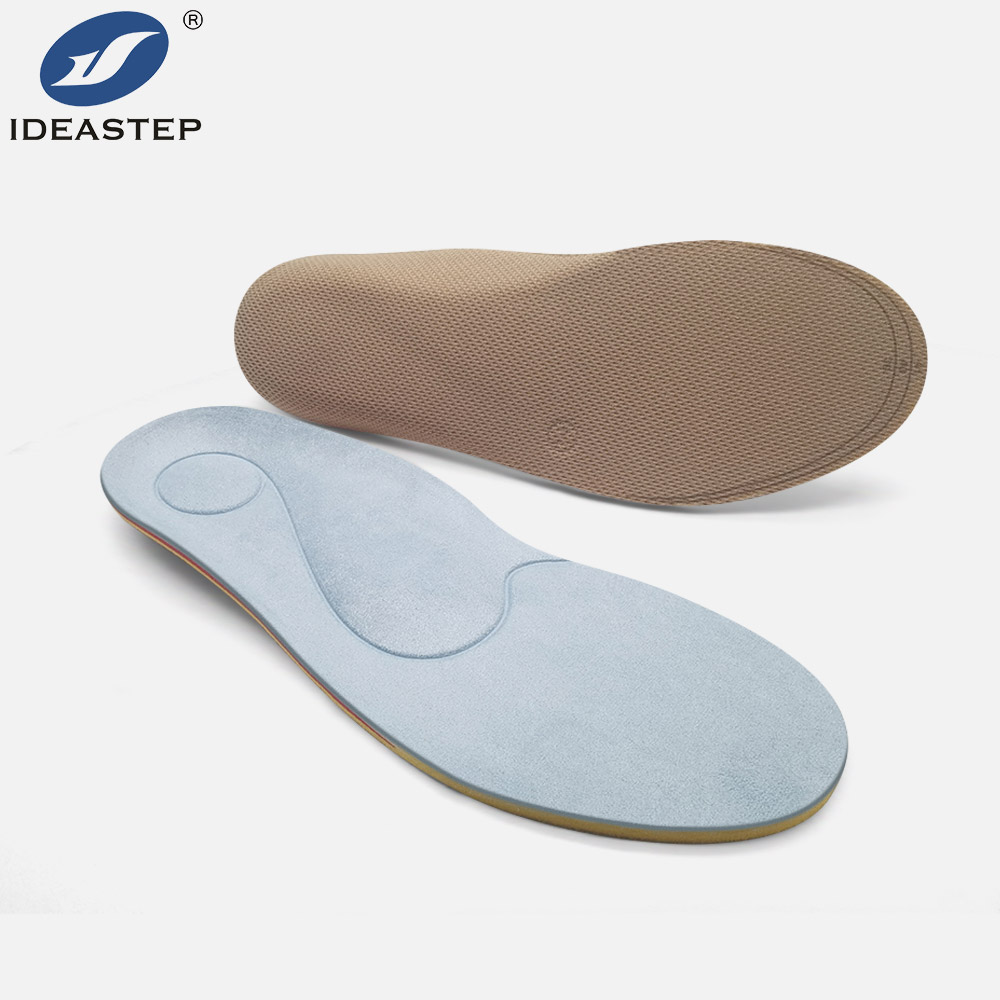
Diabetic foot care products have higher requirements for comfort and footwear compatibility compared with standard insoles.
When developing diabetic foot insoles, manufacturers usually focus on:
- Pressure management
- Cushioning performance
- Foot support
- Breathability
- Long-term wearing comfort
The goal is to create an insole structure that provides a comfortable interface between the foot and footwear while supporting different daily applications.
For brands, product success depends not only on functional features but also on consistent quality, suitable materials, and reliable manufacturing capability.
Key Materials Used in Diabetic Insoles
Material selection directly affects the comfort, durability, and performance of diabetic insoles. Professional manufacturers usually combine multiple layers to achieve the desired balance between cushioning, support, and flexibility.
EVA Foam Cushioning Layer
EVA foam is one of the most commonly used materials in orthotic and diabetic insoles because of its lightweight structure and customizable properties.
Key advantages include:
- Lightweight performance
- Shock absorption
- Flexible processing
- Stable cushioning characteristics
Density
Density affects:
- Cushioning level
- Weight
- Support performance
Lower-density EVA is often used for softer cushioning applications, while higher-density EVA provides stronger support and durability.
Hardness
Hardness influences:
- Foot feel
- Stability
- Overall support
Different footwear categories may require different hardness levels to achieve the right balance between comfort and function.
Thickness
Thickness affects:
- Cushioning capacity
- Shoe compatibility
- Overall wearing experience
Experienced manufacturers select suitable EVA specifications based on product positioning and target market.
PU and Memory Foam Materials
PU foam and memory foam are commonly used in comfort-oriented insole designs.
Their characteristics include:
- Adaptive cushioning
- Soft contact feeling
- Improved comfort during extended wear
These materials are often combined with EVA layers to create multi-density structures that balance softness and support.
Breathable Top Cover Materials
The top cover directly contacts the foot, making fabric selection important for comfort.
Common options include:
- Moisture-wicking fabrics
- Breathable mesh materials
- Durable textile layers
A suitable top layer helps improve the overall wearing experience, especially for products designed for daily use.
Functional Components in Insole Design
Some diabetic insole products incorporate additional functional components, such as magnetic elements, gel layers, or specialized support structures.
During product development, manufacturers need to consider:
- Component placement
- Structural integration
- Material compatibility
- Product durability
A well-designed insole should maintain overall comfort and performance rather than relying on a single feature.
Key Design Factors for Magnetic Diabetic Insoles
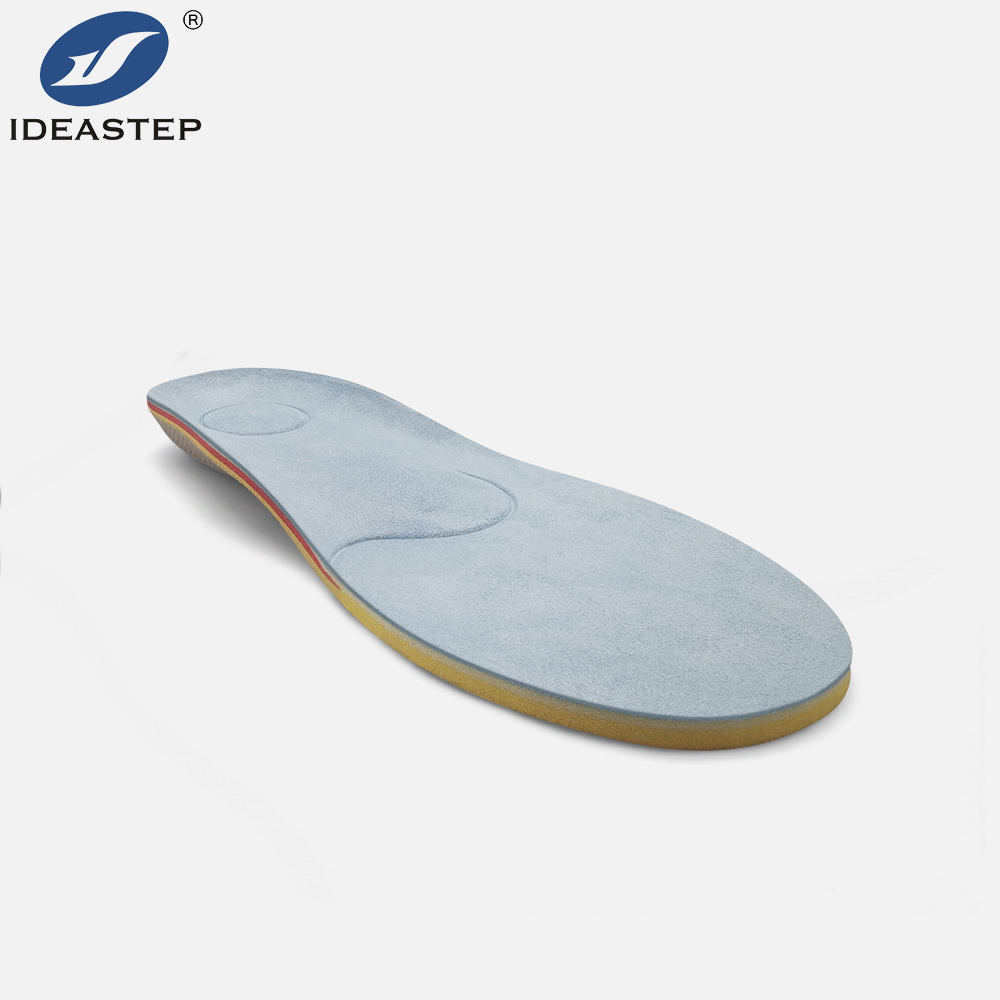
Developing magnetic diabetic insoles requires careful consideration of foot structure, cushioning performance, and manufacturing feasibility.
Foot Support and Pressure Management
A professional insole design should consider how different areas of the foot interact with the insole structure.
Important design elements include:
- Arch support
- Heel cushioning
- Forefoot comfort zones
- Pressure distribution areas
Manufacturers can adjust these structures according to different footwear applications and customer requirements.
Cushioning and Comfort Structure
Cushioning design plays an important role in creating comfortable footwear products.
Common solutions include:
- Multi-layer foam construction
- Shock absorption zones
- Soft top cushioning layers
By combining different materials, manufacturers can develop insoles suitable for various applications, including casual footwear, walking shoes, and comfort footwear.
Lightweight and Flexible Construction
For everyday footwear, excessive thickness or weight may affect usability.
Modern diabetic insoles often focus on:
- Lightweight materials
- Flexible structures
- Better shoe fitting
OEM Manufacturing Process for Custom Diabetic Insoles
For brands entering the diabetic foot care market, choosing a capable OEM partner can simplify product development and improve production efficiency.
A professional orthotic insole manufacturer typically supports the complete process from initial concept to bulk manufacturing.
Material Selection and Product Planning
The first stage focuses on understanding product requirements, including:
- Target customers
- Footwear applications
- Comfort requirements
- Material preferences
Based on these factors, manufacturers recommend suitable material combinations and structural solutions.
Prototype Development and Testing
Before mass production, prototypes allow brands to evaluate:
- Product structure
- Material combination
- Wearing comfort
- Design adjustments
This stage helps optimize the product before large-volume production.
Mass Production and Quality Control
Consistent quality is essential for commercial foot care products.
Professional manufacturing processes include quality checks for:
- Material consistency
- Product dimensions
- Bonding quality
- Surface appearance
- Production stability
Reliable quality control helps brands maintain consistent product performance across different production batches.
Custom and Private Label Solutions for Foot Care Brands
Many companies require customized products instead of standard insole designs.
Custom Product Development
Including:
- Material combinations
- Insole structures
- Cushioning layers
- Support designs
- Product specifications
Private Label Manufacturing
Brands and distributors can customize:
- Product appearance
- Logo printing
- Packaging solutions
- Product positioning
This enables companies to develop their own branded foot care product lines.
How to Choose a Diabetic Insole Manufacturer
Selecting the right manufacturing partner is an important decision for brands developing foot care products.
Experience in Orthotic Insole Production
A professional supplier should understand:
- Footwear applications
- Insole material characteristics
- Product development requirements
- Manufacturing processes
Industry experience helps reduce development risks and improve product reliability.
Material and Production Capability
A qualified manufacturer should have expertise in:
- EVA foam processing
- PU material applications
- Multi-layer insole construction
- Quality control management
Strong production capability ensures stable results for OEM projects.
OEM and ODM Support
A complete OEM/ODM partner should provide support throughout the development cycle, including:
- Product consultation
- Sampling
- Design improvement
- Mass production
- Packaging solutions
This creates a more efficient cooperation process for global brands.
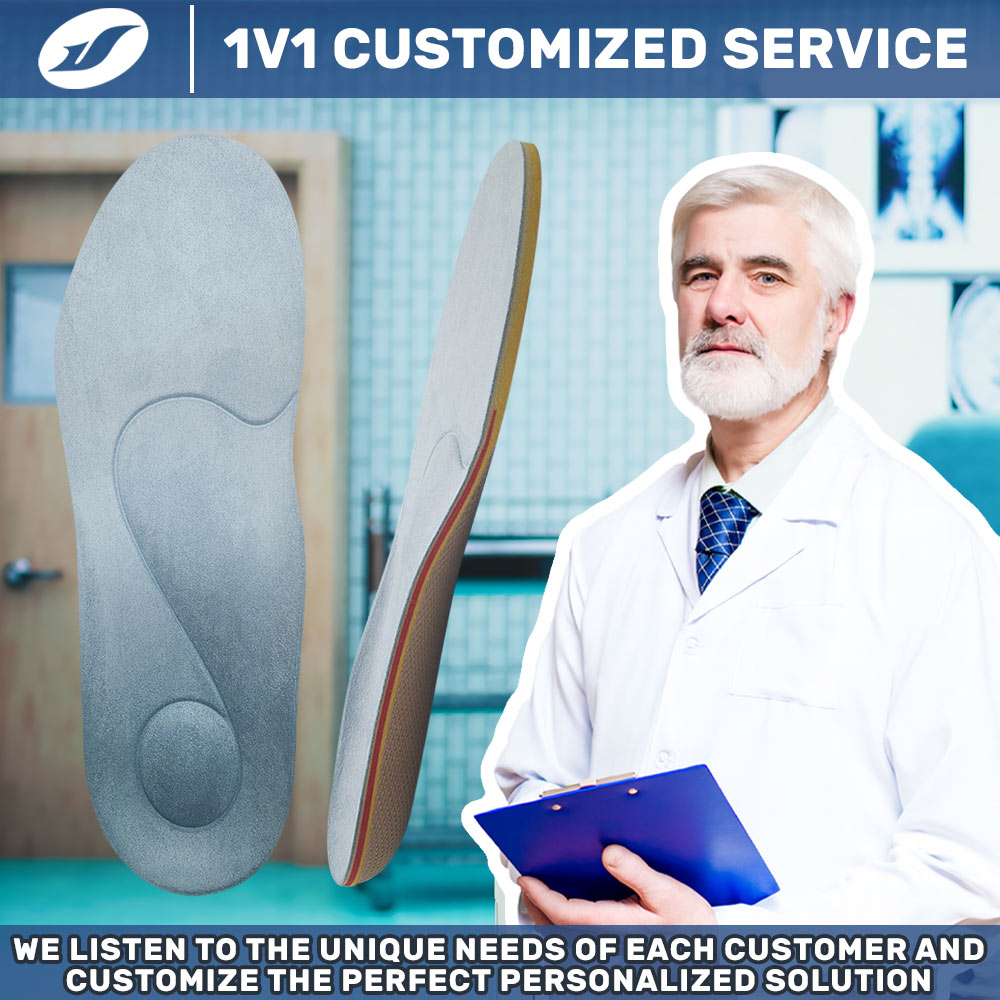
Conclusion: Partner with an Experienced Manufacturer for Custom Diabetic Insoles
Developing magnetic diabetic insoles requires a combination of material expertise, structural design knowledge, and reliable manufacturing capability.
For foot care brands, distributors, and medical product companies, choosing an experienced diabetic insole manufacturer can provide professional support from product concept development to large-scale production.
With advanced material solutions, OEM/ODM capabilities, and quality-focused manufacturing processes, brands can create customized diabetic foot care products that meet different market requirements.
Looking for a reliable OEM partner for custom diabetic insoles?
We provide orthotic insole development, material solutions, and manufacturing support for global foot care brands.
Related product links: https://www.aideastep.com/product/ideastep-jf-428-diabetic-insoles-pressure-relief-multi-density-foam-support/.