Sourcing custom fit orthotics for clinics involves more than selecting an insole design. Material specifications, structural requirements, production consistency, and supplier capacity all influence the suitability of a product for ongoing supply programs. For orthotic distributors, clinic suppliers, foot-care businesses, and private-label brands, these factors also affect inventory planning and repeat-order management.
A reliable sourcing process starts with a clear product brief. Sample evaluation, specification confirmation, and production inspections then help maintain consistency as orders move from development to bulk manufacturing. The following sections outline key considerations for sourcing custom orthotic insoles for clinical supply programs and wholesale distribution.
1. Understanding Custom Fit Orthotics for Clinic Supply
Custom Fit Orthotics vs. Standard Insoles
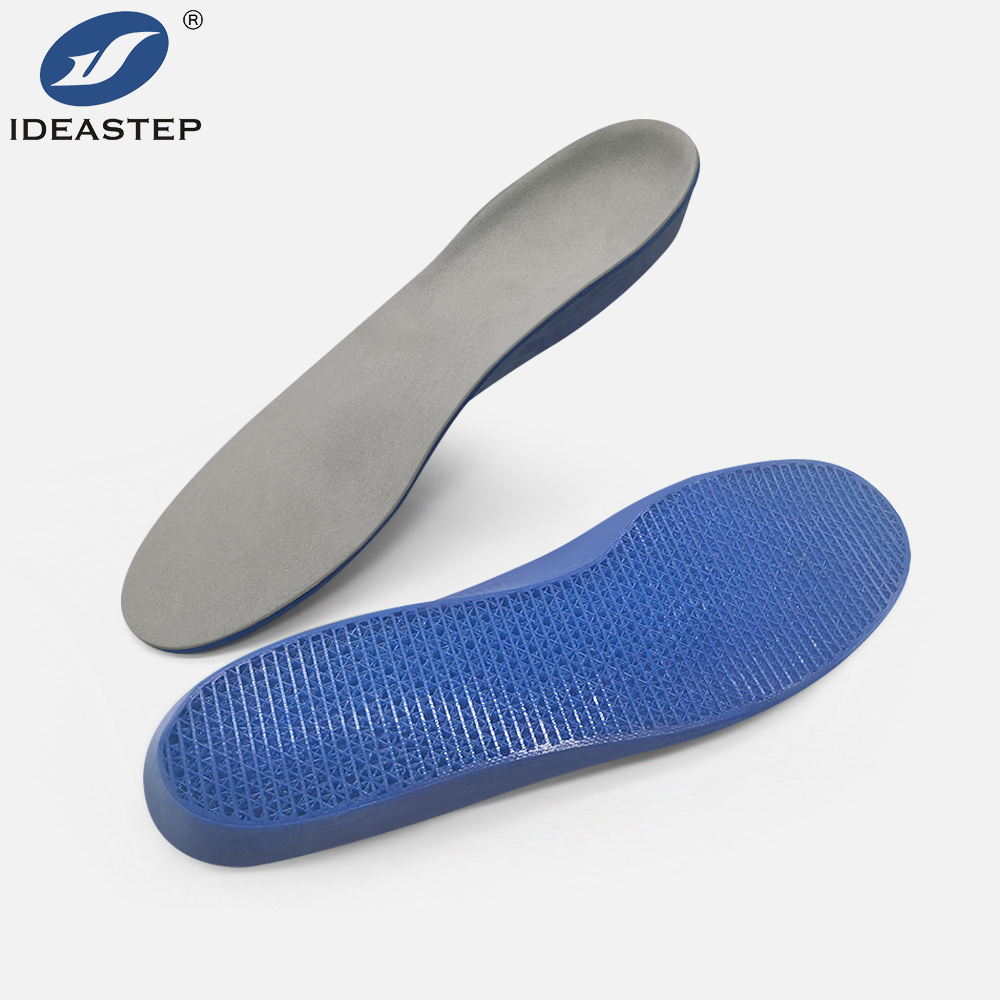
Custom fit orthotics are developed around defined requirements for shape, support, materials, and intended application. Compared with standard insole models, these products allow buyers to specify details such as arch geometry, heel cup depth, material density, and overall construction.
For clinic supply programs, the appropriate design depends on the product range, footwear compatibility, and requirements established by the business or clinical team. Clear specifications also help manufacturers assess tooling, sampling, and production feasibility before confirming an order.
Support Requirements in Clinical Supply Programs
Different product lines may require different combinations of rigidity, cushioning, and structural support. A semi-rigid design, for example, uses a different construction approach from a soft, cushioning-focused insole.
Defining these requirements early gives manufacturers a practical basis for material selection and prototype development. It also reduces uncertainty when buyers compare samples or plan a range of related products.
2. Design Considerations for Different Foot-Support Applications
Arch Profiles and Pressure Distribution
Arch height, contour, and length influence the overall geometry of an orthotic insole. Manufacturers can develop different profiles to match a product brief, provided that the design requirements are clearly documented.
In a multi-model product range, consistent reference dimensions help buyers compare samples and maintain specifications across sizes. Any design changes should be recorded before production begins.
Heel Cup Geometry and Cushioning
Heel cup depth, width, and shape affect the structure of the rearfoot section. Cushioning materials can also change the feel and compression characteristics of the finished product.
When developing a new model, buyers should confirm the required dimensions and material properties together. Evaluating these elements as a complete construction helps prevent late-stage adjustments.
Requirements for Specialized Product Lines
Certain product programs call for specific material combinations, surface treatments, or structural features. Diabetes-related footwear products, sports insoles, and rigid-shell orthotics, for example, may have different design and documentation requirements.
Manufacturers should assess each project against its intended application rather than assume that one construction suits every product category. Any clinical or performance claims should also be supported by appropriate evidence and applicable requirements.
3. Material Selection for Custom Fit Orthotics
EVA for Lightweight and Multi-Density Construction
EVA is commonly used in orthotic insoles because its density, hardness, thickness, and shape can be adjusted for different product designs. Multi-density structures allow manufacturers to combine materials with different properties within one insole.
For bulk projects, buyers should specify the required density or hardness range, color, dimensions, and material configuration. These details make it easier to assess sample consistency and establish repeatable production criteria.
PU and PORON for Cushioning Components
PU and PORON materials may be used in cushioning-focused designs or as components within a layered construction. Their suitability depends on factors such as compression behavior, thickness, intended use, and compatibility with surrounding materials.
Material selection should reflect the requirements of the complete product. Buyers can compare samples to evaluate construction details and confirm that the selected materials meet the project brief.
PP and TPU for Structural Components
PP and TPU are used in some orthotic designs where a structural shell or a defined level of support is required. The choice depends on the required stiffness, shape, processing method, and overall product construction.
A manufacturer’s experience with shell forming, trimming, bonding, and finishing can be important when developing these models. Sample approval should cover both dimensions and the relationship between the shell and the cushioning layers.
Multi-Density Material Combinations
Combining materials with different densities can help achieve specific structural and cushioning characteristics. However, the final result depends on more than the material list alone.
Layer thickness, bonding quality, component placement, and dimensional tolerances all influence the finished insole. Documenting these details gives production teams a clearer reference for inspection and repeat orders.
4. Customization Options for Clinic Supply Programs
Arch Profiles, Heel Cups, and Posting Designs
Buyers can define arch profiles, heel cup geometry, posting angles, and other structural details according to the product specification. These parameters should be reviewed together to ensure that the components work as a complete design.
A dimensioned drawing or approved reference sample can help reduce differences in interpretation between the buyer and manufacturer. Revisions should be confirmed before the final production specification is issued.
Material Hardness, Thickness, and Top Covers
Material hardness and thickness affect the physical properties of the insole. Top-cover fabrics may also vary in texture, color, moisture-management characteristics, and bonding requirements.
For consistent purchasing, the specification should identify the approved material types and relevant tolerances. Substitutions should be reviewed before implementation rather than introduced without approval.
Size Ranges and Product Configuration
A product may be supplied in a defined size range, multiple width options, or different structural configurations. Each variation should be identified clearly in the product specification and quotation.
Accurate size grading is especially important when an order includes multiple sizes or models. Buyers should confirm the size chart, labeling method, and packing arrangement before mass production.
Private Label, Logos, and Packaging
Private-label projects may include logo placement, branded packaging, product labels, and model-specific identification. Artwork and packaging files should be approved before the order enters production.
Providing these details early helps manufacturers assess printing methods, packaging materials, and any additional setup requirements. It also reduces the risk of delays caused by last-minute artwork changes.
5. From Product Brief to Sample Approval
Defining Product and Commercial Requirements
A complete product brief gives the manufacturer a practical starting point for evaluating the project. Buyers should prepare the following information where applicable:
– Intended application and target footwear
– Required structure, shape, and dimensions
– Material types, hardness, density, and thickness
– Size range, colors, and top-cover options
– Estimated order quantity and target unit cost
– Packaging requirements and expected delivery schedule
Missing specifications may lead to inaccurate quotations or repeated sample revisions. When some details remain undecided, buyers can identify them as open items for discussion during product development.
CAD Design and Prototyping
CAD drawings and digital design tools can help define product geometry before physical samples are made. Depending on the construction, the development process may also involve CNC milling, shell forming, or other prototyping methods.
The suitable process depends on the material and product structure. Manufacturers should confirm which design files, reference samples, or measurements are needed before estimating development time and cost.
Sample Evaluation and Specification Confirmation
Sample review provides an opportunity to check dimensions, material combinations, finishing, and construction details. Buyers should compare each sample with the agreed product brief rather than rely on general appearance alone.
Any requested changes should be documented and incorporated into the next approved version. Keeping a record of sample revisions helps prevent outdated specifications from being used during production.
Finalizing the Design Before Production
Before confirming a bulk order, both parties should agree on the final design, materials, size range, packaging, inspection criteria, and order quantity. The approved sample or drawing should serve as the reference for manufacturing.
This step is particularly useful for projects involving multiple models or repeat shipments. A controlled approval process helps reduce avoidable variation between the sample and the finished batch.

6. Quality Control in Custom Orthotic Insole Manufacturing
Material Consistency and Dimensional Accuracy
Incoming material checks help verify that supplied materials meet the agreed specifications. During production, dimensional inspections can identify differences in length, width, thickness, or other critical features.
Acceptance criteria should be established before manufacturing begins. Clearly defined tolerances also make inspection results easier to review and compare across batches.
Structural Integrity and Bonding Quality
Layered insoles and shell-based designs require attention to bonding, trimming, surface finishing, and component alignment. Weak adhesion or inconsistent finishing may affect product quality and increase rejection rates.
Inspection procedures should reflect the construction of each model. Where appropriate, the manufacturer and buyer can agree on sample checks or other verification methods before the first bulk order.
Batch Inspection and Traceability
Batch inspection helps confirm that finished products meet the approved specification. For projects with several sizes or models, inspection records should identify the relevant product code, batch, and acceptance criteria.
Maintaining consistent product identification supports quality reviews and repeat-order management. It also makes it easier to investigate discrepancies when they arise.
Documentation and Market Requirements
Documentation requirements vary according to the product category, destination market, and claims made for the product. Buyers should communicate applicable labeling, testing, and compliance requirements during the quotation stage.
Manufacturers can then assess which documents and processes are available for the project. Any certification or regulatory statement should be verified against the relevant product and market rather than assumed to apply to every model.
7. Planning Bulk Orders for Clinic Supply
MOQ, Lead Time, and Production Capacity
Minimum order quantity and lead time depend on material availability, construction complexity, tooling needs, and order volume. A design requiring a new shell or customized packaging may follow a different schedule from an existing model.
Buyers should request separate estimates for sampling and mass production where relevant. Confirming the production schedule in advance helps coordinate purchasing, inventory, and downstream delivery commitments.
Forecasting Demand Across Sizes and Models
Orders covering multiple sizes or product configurations require a clear quantity breakdown. Historical sales data and planned distribution volumes can help buyers prepare a more practical purchasing forecast.
A size-by-size order sheet reduces ambiguity during production planning. It also helps both parties confirm that the requested quantity matches the approved product configuration.
Inventory and Repeat-Order Planning
Repeat orders are easier to manage when product specifications, approved samples, and packaging files remain properly documented. Changes to materials or dimensions should be reviewed and approved before the next production run.
For ongoing supply programs, buyers can discuss forecast quantities and replenishment schedules with the manufacturer. This approach helps both sides plan materials and production capacity more effectively.
Packaging, Shipping, and Delivery
Packaging requirements may include individual bags, size labels, cartons, branded inserts, or shipping marks. These details should be confirmed alongside the product specification to avoid packing errors.
Delivery planning also depends on order volume, destination, shipping method, and production readiness. A clear schedule helps purchasing teams coordinate receipt and distribution.
8. Evaluating a Custom Orthotics Manufacturer
Experience with Orthotic Materials and Construction
A suitable supplier should understand the materials and production processes relevant to the requested product. Experience with EVA, PU, PP, TPU, layered constructions, or shell-based orthotics may be important depending on the project.
Buyers can assess this capability by reviewing comparable products, technical information, and sample quality. The evaluation should focus on demonstrated production experience rather than broad claims alone.
Customization and Prototyping Capabilities
Product development may require adjustments to dimensions, material combinations, shell geometry, or finishing details. Manufacturers with suitable design and prototyping resources can help assess feasibility before production commitments are made.
The buyer should also clarify how revisions are handled and what information is required for each development stage. A defined process makes technical communication more efficient.
Production Consistency and Communication
Consistent output depends on documented specifications, suitable inspection procedures, and effective communication between the parties. Buyers should understand how the supplier handles nonconforming products, specification changes, and repeat orders.
Response times, approval procedures, and reporting practices are also worth reviewing during supplier evaluation. These operational details can influence the reliability of a long-term supply arrangement.
OEM, Private Label, and Long-Term Supply
OEM and private-label projects may involve product specifications, branding, packaging, and recurring order schedules. Before proceeding, buyers should confirm the scope of support, minimum quantities, sample costs, and responsibilities for approving artwork or design changes.
A clear agreement helps both parties manage expectations as the product range develops. Long-term cooperation is easier to maintain when commercial terms and technical requirements are documented.
9. Frequently Asked Questions About Custom Fit Orthotics for Clinics
Can Custom Fit Orthotics Be Produced in Bulk?
Yes. Bulk production is possible when the design, materials, size range, and quality criteria are clearly defined. Minimum order quantities depend on the construction and the supplier’s production requirements.
What Information Is Needed for a Quotation?
A quotation typically requires the product design or reference sample, material specifications, size range, estimated quantity, packaging details, and destination market. Additional information may be needed for new tooling or specialized construction.
Can Materials, Dimensions, and Top Covers Be Customized?
These features can often be specified according to the manufacturer’s capabilities and the project’s requirements. Final options should be confirmed during technical review and sample approval.
What Affects MOQ and Production Lead Time?
Order quantity, material availability, tooling, product complexity, and packaging requirements can all affect MOQ and lead time. New product development may also require additional time for design revisions and sample approval.
Can Manufacturers Support Private-Label Projects?
Some manufacturers offer private-label services that include logos, labels, and packaging. Buyers should confirm available options, artwork requirements, minimum quantities, and approval procedures before placing an order.
10. Sourcing Custom Fit Orthotics for Clinic Supply
Successful sourcing depends on a clear product brief, an agreed sample, and consistent production controls. Material specifications, structural details, and inspection criteria should remain aligned throughout the order process.
For clinics, distributors, and private-label businesses, preparing the intended application, design features, size range, estimated quantity, and packaging requirements helps manufacturers assess a project more accurately.
Ideastep supplies orthotic insole products and material solutions for business customers. Buyers planning a clinic supply program, wholesale order, or private-label project can contact the Ideastep team to discuss specifications, sampling, and supply requirements.
Related Post:
Custom Fit Orthotics For Foot Alignment Bulk Custom Solutions
Custom Fit Orthotics Wholesale OEM ODM For Podiatry Practices