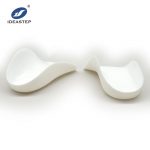
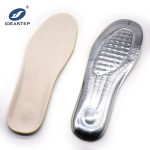
Footcare distribution brands often manage a range of orthotic insoles with different support structures, materials, sizes, and price points. Supplying these products in bulk requires more than developing individual samples. Manufacturers must maintain clear specifications, consistent production standards, and reliable replenishment across multiple SKUs.
For distributors, the main priorities are product consistency, manageable inventory, competitive production costs, and a supply process that supports repeat orders. These factors should guide product development and supplier selection from the beginning.

Building an Efficient Orthotic Product Range
A well-organized product range helps distributors meet different market requirements without creating unnecessary manufacturing complexity.
Grouping Products by Construction
Orthotic insoles may use flexible foam, semi-rigid structures, or rigid support shells. Each construction has different material and processing requirements.
Grouping products by their core structure helps buyers identify shared components while keeping important design differences clear. EVA layers, cushioning pads, and selected shell components may be shared across models when their specifications are compatible.
Balancing Product Variety and Production Complexity
Every additional size, material, or structural variation can affect sampling, purchasing, inspection, and inventory management.
Distributors can simplify planning by prioritizing core products with regular demand and managing specialized models separately. This approach helps control stock levels while allowing room for product expansion when market demand justifies it.
Key Manufacturing Considerations for Custom Foot Orthoses
Product specifications should describe the actual construction and critical dimensions rather than rely on general terms such as “high support” or “extra cushioning.”
Defining the Support Structure
Arch geometry, heel cup depth, material stiffness, and component thickness all influence the finished design. These features should be specified as part of the complete insole structure.
For example, arch height alone does not fully define an arch profile. Its length, contour, and transition into the surrounding surface also matter. Similarly, heel cups and cushioning zones need clear dimensional and positioning requirements.
Selecting the Right Construction
Material and structural choices should follow the product’s intended application and approved design.
- Flexible foam construction: EVA and other foam materials can provide cushioning and flexibility.
- Semi-rigid construction: Supportive components can be combined with softer layers to balance structure and cushioning.
- Shell-based construction: PP or TPU components can provide a more defined supporting structure, depending on the design.
These construction types are not interchangeable. Material properties, geometry, thickness, and assembly all affect the finished product.
Preparing Production-Ready Specifications
A sample alone may not provide enough information for repeatable manufacturing. Production drawings should identify critical dimensions, tolerances, material requirements, and component positions.
For multi-layer insoles, assembly and bonding requirements should also be documented. Clear specifications reduce reliance on visual judgment and help prevent differences between the approved sample and subsequent batches.
Material Selection and Supply Planning
Material choices affect product characteristics, unit costs, purchasing volumes, and production schedules. Distributors managing several SKUs should establish clear material specifications before requesting quotations.
EVA, PU, and Cushioning Materials
EVA is widely used in insole production because its density, hardness, and thickness can be selected for different constructions. It may form the main body of an insole or serve as one layer in a multi-material design.
PU and other cushioning materials can be incorporated when the product specification requires particular cushioning properties. Buyers should confirm the material grade, thickness, placement, and bonding method rather than compare suppliers based on material names alone.
PP and TPU Structural Components
PP and TPU can be used in orthotic shell components, but they differ in processing requirements and material properties. The appropriate choice depends on the required geometry, stiffness, forming method, and integration with the rest of the insole.
Shared components can simplify procurement when several models use the same approved specifications. However, similar-looking products should not be treated as identical if their dimensions or structural requirements differ.
Controlling Material Changes
Material substitutions can affect hardness, flexibility, appearance, thickness, and bonding performance. A replacement should not be introduced solely because it has a similar commercial description.
Manufacturers should notify buyers of proposed changes and obtain approval before production. Keeping material specifications and revision records up to date helps maintain consistency across repeat orders.
Quality Control Across Multiple SKUs
A multi-product range needs clear, model-specific quality requirements. One general inspection checklist may not cover every construction adequately.
Maintaining Accurate Product Specifications
Each SKU should have a controlled record covering its materials, dimensions, construction, size range, finishing, and packaging requirements.
Where products share components, common specifications can be used for those components. Differences between models must remain clearly documented to prevent mix-ups during production, inspection, and packing.
Defining Inspection Criteria
Inspection points should reflect the requirements of each product. Depending on the construction, checks may include:
- Length, width, thickness, and critical dimensions
- Material identity and specified hardness or density
- Shell geometry and component positioning
- Bonding, edge finishing, and visible defects
- Size markings, model identification, and packaging
Buyers and manufacturers should agree on acceptance criteria and inspection methods before bulk production. The scope and frequency of inspection can then be set according to the product’s complexity and the risk of variation.
Managing Design Revisions
Changes to materials, drawings, tooling, or component layouts can affect production results. Each approved revision should have a clear version identifier, and obsolete specifications should be removed from active production records.
This control is particularly important for replenishment orders placed months after the initial run. Both parties need to work from the same approved product version.
Planning MOQ, Costs, and Repeat Orders
Bulk purchasing involves more than negotiating a unit price. Order quantities, production capacity, material availability, and inventory turnover all affect the overall supply arrangement.
Setting Quantities by Demand
High-volume products and specialist models rarely follow the same sales pattern. Ordering every SKU in equal quantities may leave distributors holding excess stock of slower-moving products.
Sales history, customer forecasts, and planned launches can help buyers set more realistic order quantities. MOQ should be confirmed for each product or construction, as shared materials do not necessarily allow different finished products to be combined under one minimum order.
Evaluating Production Costs
The unit price of a custom foot orthosis may depend on material consumption, tooling, structural complexity, assembly, finishing, packaging, and order volume.
Buyers should compare quotations against the same specifications. A lower price may reflect differences in materials, included components, inspection requirements, or packaging rather than a more efficient production process.
For new products, it is also useful to separate development costs from recurring manufacturing costs.
Coordinating Production and Replenishment
Initial orders may require time for sampling, specification approval, and production preparation. Established products can often follow a more predictable replenishment schedule, provided the materials and approved design remain unchanged.
Distributors should confirm lead times for both new and repeat orders. Updated forecasts and purchasing schedules help manufacturers plan materials and capacity while giving buyers better visibility into potential supply constraints.

Sample Approval Before Bulk Production
Sample approval should confirm that the product meets the agreed specification, not simply that it resembles a reference image.
Checking Dimensions and Construction
Review the material layers, shell profile, critical dimensions, finishing, and other specified features. Where an insole is intended for a particular footwear design, compatibility should be assessed against an appropriate reference.
A product range may include several sizes or structural variants. Approval of one model does not automatically validate every SKU.
Recording the Approved Version
The approved sample should be linked to the final drawing, material specification, and inspection criteria. Outstanding issues should be resolved before bulk production begins.
This record gives the distributor and manufacturer a common reference for production and future quality reviews. Products intended for specific medical or clinical applications may also require additional verification based on their intended use and applicable market requirements.
Choosing a Manufacturing Partner
For distribution brands, a suitable manufacturer must support both product development and ongoing supply. The ability to manage multiple models consistently is as important as the quality of an individual sample.
Technical and Production Capabilities
Evaluate the manufacturer’s experience with the required materials, shell structures, forming methods, and dimensional controls. Ask how product specifications are maintained, how revisions are approved, and how different SKUs are identified throughout production.
These processes become especially important as the product range expands.
Communication and Supply Reliability
Buyers should understand how the manufacturer handles changes in demand, material availability, production schedules, and quality concerns. Clear communication helps both parties respond to issues before they affect deliveries.
Price and MOQ matter, but they should be assessed alongside production consistency, realistic lead times, and the supplier’s ability to support repeat orders.
Documentation and Market Requirements
Footcare brands should identify the labeling, documentation, and regulatory requirements relevant to their products and destination markets. These requirements depend on the product’s classification, intended use, and claims.
Confirm the availability and scope of relevant documentation with the manufacturer rather than assuming that a general quality certificate establishes compliance for every product or market.
FAQs About Bulk Custom Foot Orthoses
Can several orthotic insole models share the same manufacturing platform?
Yes, where their materials, components, and production requirements are compatible. Differences in dimensions, shell geometry, or construction may still require separate specifications and approval.
What information is needed for a bulk quotation?
Provide product drawings or reference samples, material requirements, size ranges, estimated quantities, branding details, and packaging specifications. Any market-specific documentation requirements should also be identified.
How can distributors manage a large product range more efficiently?
Prioritize core products based on demand, group compatible models by construction, and maintain separate specifications for each SKU. This helps control inventory and reduces the risk of production errors.
What determines the MOQ for custom foot orthoses?
MOQ depends on materials, tooling, production methods, design complexity, and order volume. Confirm whether the minimum applies to each SKU, size group, or construction.
How can repeat orders remain consistent?
Use approved samples, controlled drawings, defined inspection criteria, and documented revision records. Review any proposed material or design change before it enters production.
Discuss Your Bulk Foot Orthoses Requirements
If you are sourcing orthotic insoles for a footcare distribution range, start with your current product specifications, reference samples, estimated quantities, and target delivery schedule.
Ideastep works with wholesale buyers on insole development and bulk supply. Share your requirements through the Ideastep contact page to review suitable manufacturing options, MOQ, and production planning.
Recommended Reading: Custom Foot Orthoses OEM For Podiatry Clinics And Footcare Distributors.