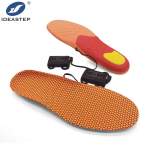
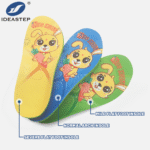
Personalized insoles for private-label brands involve more than adding a logo to an existing product. Material selection, color, surface finish, dimensions, and packaging all need to match the buyer’s specifications.
For wholesalers, footwear manufacturers, and private-label businesses, the priority is to turn these requirements into a product that can be manufactured consistently at scale. Clear specifications and an approved sample help reduce production changes and avoid misunderstandings during bulk orders.
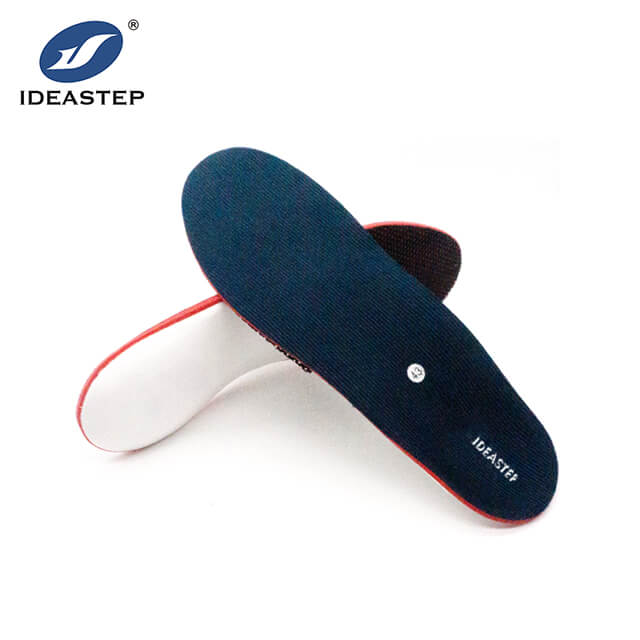
What Matters in Personalized Insole Development?
Materials and Product Structure
The choice of EVA, PU, TPU, fabric, or combined materials affects the insole’s structure, appearance, and intended application. Buyers should define the required materials, thickness, shape, and support features before sampling begins.
Not every design is suitable for every manufacturing process. Reviewing technical requirements early helps identify practical alternatives without losing sight of the original product concept.
Branding and Packaging
Logo placement, printing methods, surface finishes, and color matching all influence the final appearance. Private-label projects may also require branded labels, retail packaging, or specific packaging dimensions.
Providing logo artwork and packaging guidelines at the start gives the manufacturer a clearer basis for quotation and sample preparation.
Preparing Specifications for an OEM Insole Project
A complete specification does not need to be complicated, but it should cover the details that affect production. Buyers can prepare:
- Product drawings or an existing reference sample
- Material requirements, dimensions, and thickness
- Color references, logo files, and branding positions
- Packaging, labeling, and quantity requirements
If some details are still open, identify them before confirming the order. This allows the buyer and manufacturer to discuss feasible options and clarify which changes may affect cost or lead time.
Sampling and Bulk Production
Approve the Sample Before Production
The first sample provides a practical way to check dimensions, material appearance, logo placement, and overall construction. Any necessary revisions should be documented, with the final approved sample retained as a production reference.
This step is especially important when the project involves multiple materials, printed graphics, or several product sizes.
Keep Repeat Orders Consistent
Once bulk production starts, the manufacturer should follow the approved specifications. Material substitutions, color changes, and design revisions need to be recorded and confirmed rather than introduced without approval.
For buyers planning repeat orders, consistent documentation and inspection procedures help maintain product appearance and dimensions across batches.
MOQ, Cost, and Lead Time
The cost of personalized insoles depends on material selection, product structure, branding methods, packaging, and order quantity. Special tooling or more complex designs may add development costs.
MOQ and lead time also vary by production process and material availability. Buyers should confirm these details during quotation, including sample lead time, bulk production time, and any costs associated with design changes.
Choosing an OEM Insole Manufacturer
A suitable supplier should be able to assess product requirements, explain manufacturing limitations, and coordinate sample revisions before production. Experience with private-label orders is useful, but buyers should also review sample quality, quality-control procedures, communication, and capacity for repeat supply.
The goal is not simply to reproduce a design. It is to establish a workable specification that both parties can follow throughout production.
FAQs About Personalized Insoles
Can an existing insole design be used for a private-label project?
Yes. An existing product may provide a starting point for changes to materials, colors, branding, or packaging. The feasibility of structural changes depends on the product design and manufacturing process.
What information is needed for an OEM quotation?
Product dimensions, material preferences, order quantity, logo artwork, and packaging requirements provide a useful starting point. A reference sample or technical drawing can help clarify more detailed requirements.
How can buyers maintain consistency across repeat orders?
Use an approved sample and documented specifications as the production reference. Confirm any proposed changes before they are applied to later batches.
Discuss Your Personalized Insole Project
If you already have a product sample, design file, or brand specification, these materials can help establish the scope of an OEM project. If the design is still being developed, start with the requirements that are already clear, such as materials, product dimensions, branding, and expected order volume.
Ideastep works with wholesale and private-label buyers on insole development and bulk supply. Share your current project details through our insole development inquiry page so the key requirements can be reviewed before moving to sampling.
Related Articles: Instant Custom Orthopedic Insoles for Efficient Production and Personalized Foot Support Solutions.