
Introduction: Orthotic Insoles Are More Than Just Shoe Inserts
In physical therapy clinics, patients rarely seek treatment because their insoles feel uncomfortable. More often, they arrive with complaints such as persistent heel pain after walking, tightness in the Achilles tendon after running, recurring knee discomfort, or chronic fatigue caused by flat feet.
For physical therapists, the first step is not deciding whether a patient needs an insole, but understanding how they stand, walk, and move. This is where orthotic insoles become an important part of the rehabilitation process.
The true value of orthotic insoles lies not in making shoes softer or more cushioned, but in their ability to influence biomechanics. By modifying how forces are distributed through the foot and lower extremity, orthotics can create a more favorable environment for gait retraining, strength development, and functional recovery.
In other words, orthotic insoles are biomechanical intervention tools—not standalone treatments.
Clinical Insight: Many patients with chronic foot pain notice improvements in standing tolerance and walking stability before they experience significant pain relief. This often indicates that loading patterns are beginning to improve.
What Are Orthotic Insoles?
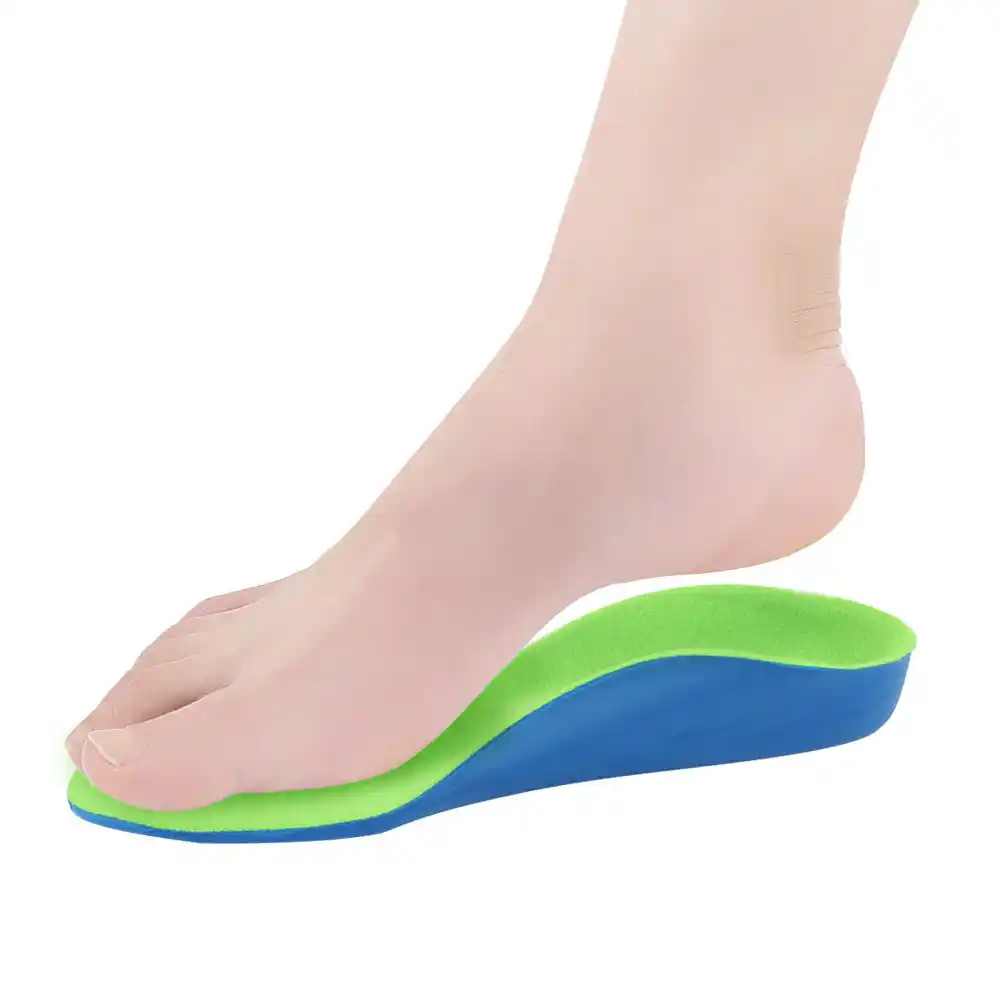
Unlike standard comfort insoles designed primarily for cushioning, orthotic insoles are engineered to influence foot function and lower-limb mechanics.
| Function | Clinical Purpose |
|---|---|
| Arch Support | Helps maintain the natural shape of the foot and supports individuals with flat feet or arch collapse. |
| Pressure Redistribution | Reduces localized pressure points and improves load distribution across the foot. |
| Foot Alignment | Promotes better alignment of the foot, ankle, and lower extremities. |
| Biomechanical Correction | Helps manage excessive pronation, supination, and gait instability. |
From a rehabilitation perspective, therapists focus less on comfort and more on whether the orthotic improves loading patterns and movement efficiency.
Why Do Physical Therapists Use Orthotic Insoles?
1. Improving Lower-Limb Biomechanics
When the arch collapses during weight-bearing, the ankle rolls inward excessively, or gait becomes asymmetrical, orthotic insoles can provide structural support and encourage a more stable foot position.
2. Reducing Abnormal Loads
Orthotic insoles may help decrease:
- Stress on the plantar fascia
- Excessive strain on the Achilles tendon
- Abnormal loading at the knee joint
3. Supporting Rehabilitation Exercises
Many patients are unable to fully participate in rehabilitation because pain limits their activity. By reducing stress and improving support, orthotics can help therapists progress treatment programs that include:
- Gait retraining
- Balance exercises
- Foot and calf strengthening
- Running mechanics correction
Common Applications of Orthotic Insoles in Physical Therapy
1. Plantar Fasciitis
For patients with plantar fasciitis, rehabilitation often focuses on reducing excessive strain on the plantar fascia while gradually restoring function.
A typical treatment plan may include:
- Reducing morning heel pain and walking discomfort
- Using arch-support orthotics to improve load distribution
- Stretching the calf muscles and plantar fascia
- Gradually increasing walking volume based on symptom response
Clinical Observation: Many patients first notice reduced fatigue during standing and walking before significant pain reduction occurs.
2. Flat Feet (Pes Planus)
The goal is not simply to create a higher arch but to improve stability and function during movement.
Physical therapists often combine orthotic support with intrinsic foot muscle exercises, such as the Short Foot Exercise, to improve long-term outcomes.
3. Achilles Tendinopathy
Load management is critical in Achilles tendon rehabilitation. Orthotics with rearfoot support or slight heel elevation may reduce strain during walking and running.
However, successful rehabilitation still requires progressive loading exercises, particularly eccentric strengthening programs.
4. Patellofemoral Pain Syndrome
Excessive foot pronation can influence the entire lower-limb kinetic chain and contribute to knee pain.
Orthotic insoles may improve lower-extremity alignment, while strengthening exercises targeting the hip and gluteal muscles address the underlying movement dysfunction.
5. Sports Injury Rehabilitation
Orthotics are frequently used in the recovery process for:
- Running-related injuries
- Medial tibial stress syndrome (shin splints)
- Ankle sprain rehabilitation
In these situations, orthotics are often viewed as load-management tools that allow athletes to remain active while recovering.
Orthotic Assessment Process in Physical Therapy
Step 1: Patient History
Assessment begins with understanding:
- Pain location and severity
- Activity limitations
- Previous injuries
- Footwear habits
- Changes in activity level
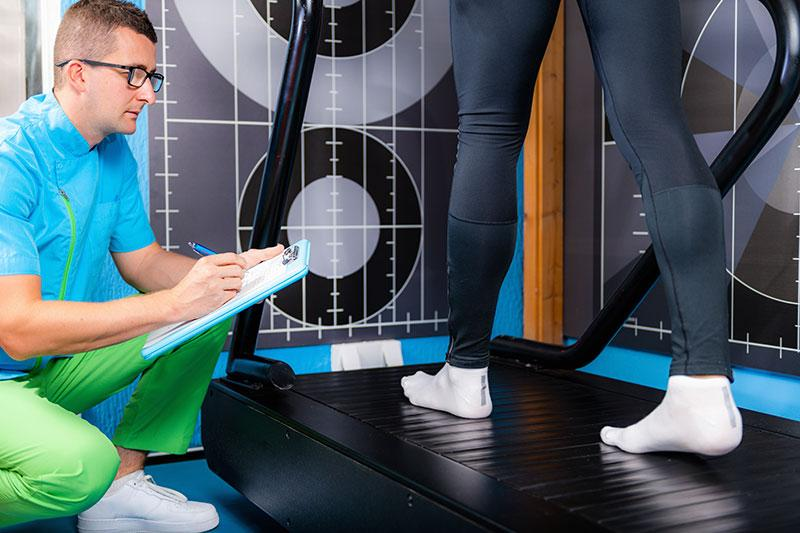
Step 2: Gait Analysis
Therapists observe:
- Heel strike patterns
- Arch behavior during walking
- Ankle and lower-limb alignment
- Movement symmetry
When available, pressure-mapping systems and video analysis can provide additional insights.
Step 3: Functional Evaluation
Common assessments include:
- Single-leg balance tests
- Ankle mobility measurements
- Calf strength assessments
- Intrinsic foot muscle control evaluation
Step 4: Orthotic Fitting and Follow-Up
Orthotic prescription is not a one-time process. Therapists typically reassess symptoms, gait mechanics, and exercise tolerance after one to three weeks of use.
Custom Orthotics vs. Prefabricated Insoles
| Type | Best Suited For |
|---|---|
| Custom Orthotics | Chronic pain, complex gait abnormalities, significant foot deformities, and patients requiring individualized support. |
| Prefabricated Insoles | Mild foot discomfort, early-stage rehabilitation, or individuals seeking cost-effective support. |
In clinical practice, not every patient requires custom orthotics. Many mild conditions respond well to quality prefabricated insoles combined with appropriate rehabilitation exercises.
How Orthotic Insoles Work Alongside Physical Therapy
A common misconception is that orthotics alone can solve biomechanical problems.
| Orthotics Provide | Therapeutic Exercise Provides |
|---|---|
| Structural support, load redistribution, and symptom relief. | Improved strength, motor control, movement quality, and long-term functional adaptation. |
For example, orthotics may help stabilize the arch during gait training, while physical therapy exercises improve muscular control and movement efficiency.
The most effective rehabilitation programs integrate both approaches.
Common Misconceptions About Orthotic Insoles
1. Orthotics Can Replace Treatment
Orthotics provide support, but without strengthening and movement retraining, symptoms often return.
2. Harder Orthotics Are Always Better
The ideal level of support depends on the individual’s foot structure, symptoms, and activity demands.
3. Everyone Needs Custom Orthotics
Many people achieve excellent results with well-designed prefabricated insoles.
4. Pain Should Disappear Immediately
Biomechanical adaptations take time. Improvement is typically gradual rather than instantaneous.
Industry Trends: From Structural Support to Data-Driven Rehabilitation
3D Foot Scanning
Advanced scanning technologies improve fit accuracy and reduce manufacturing variability.
Digital Gait Analysis
Therapists can now quantify gait changes and monitor progress more objectively.
AI-Powered Foot Modeling
Artificial intelligence is accelerating orthotic design and helping optimize support structures.
Smart Orthotic Insoles
Embedded sensors can track plantar pressure distribution in real time, providing valuable rehabilitation data.
Frequently Asked Questions (FAQ)
Do Orthotic Insoles Really Help in Physical Therapy?
Yes. When foot alignment, gait mechanics, or load management contribute to symptoms, orthotics can be an effective adjunct to rehabilitation.
How Long Does It Take to See Results?
Many patients notice improvements in stability and comfort within two to six weeks, although recovery timelines vary.
Are Custom Orthotics Better Than Prefabricated Insoles?
Not necessarily. Custom orthotics are often beneficial for complex cases, while prefabricated insoles may be sufficient for mild conditions.
Do Athletes Need Orthotic Insoles?
Not all athletes require orthotics. They are typically recommended when biomechanical issues, injury history, or excessive loading patterns are identified.
Will Orthotics Weaken Foot Muscles?
Current evidence does not suggest that properly prescribed orthotics inherently weaken foot muscles. The key is to combine orthotic use with appropriate strengthening exercises.
Conclusion
In physical therapy, orthotic insoles serve as valuable biomechanical tools rather than standalone solutions. They can improve foot alignment, optimize gait mechanics, and reduce tissue stress, creating a more favorable environment for rehabilitation.
However, long-term success depends on comprehensive assessment, progressive exercise programs, and regular reassessment.
Orthotics provide the structural foundation, while rehabilitation training develops the movement patterns needed for lasting recovery.
In simple terms: Orthotic insoles create a better starting point for movement, while physical therapy helps build sustainable function and performance.
One article isn’t enough? Check out these related reads: How Orthotic Insoles Correct Foot Biomechanics