If you have ever purchased running shoes, children’s play mats, yoga mats, or shock-absorbing packaging, you have likely encountered EVA material. Due to its combination of plastic-like processability and rubber-like softness, many people wonder:
Is EVA plastic?
In materials science, EVA (Ethylene Vinyl Acetate) is classified as a thermoplastic polymer, but its properties differ significantly from conventional plastics. This article will provide a complete guide on EVA’s chemical composition, physical characteristics, processing methods, applications, and environmental performance, helping you make informed decisions for material selection and product design.
What is EVA Material?
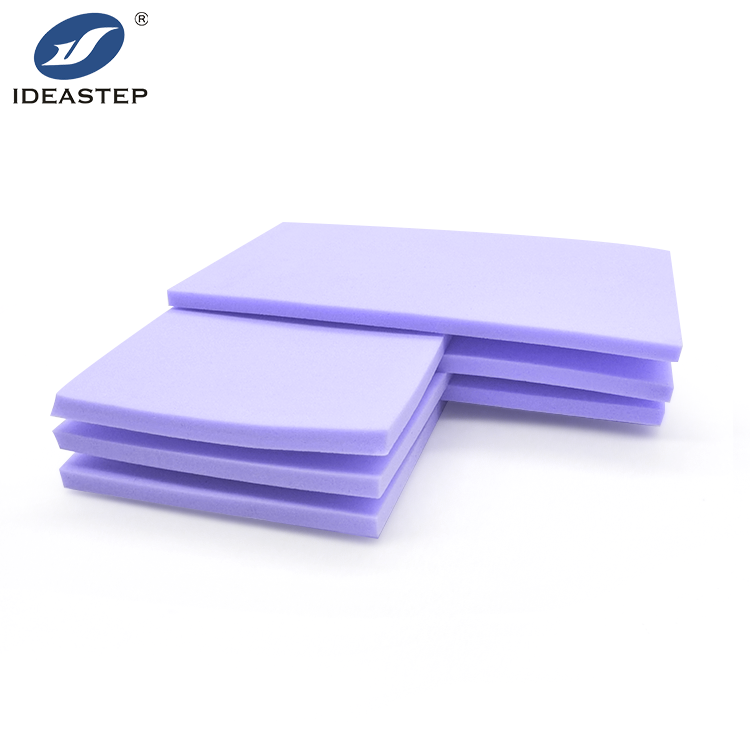
EVA, short for Ethylene Vinyl Acetate, is a copolymer made from ethylene and vinyl acetate (VA). Its properties depend heavily on the VA content:
- Ethylene: Provides strength and durability
- Vinyl acetate (VA): Provides softness, elasticity, and transparency
VA content matters:
- Low VA content (<10%): Higher hardness, closer to polyethylene (PE), suitable for structural or industrial applications
- High VA content (>20%): Soft, elastic, high transparency, commonly used in insoles, yoga mats, and protective packaging
This adjustability makes EVA highly versatile across different industries.
Is EVA Plastic?
From a material classification perspective, EVA is a thermoplastic. Thermoplastics have these characteristics:
- Soften when heated and harden when cooled
- Can be reprocessed multiple times
- Can be molded using injection, extrusion, or hot pressing
Therefore, EVA is technically a plastic. However, due to its high elasticity and softness, it is often mistaken for rubber. The most accurate description is:
EVA is a thermoplastic with rubber-like properties.
Differences Between EVA, PE, and Rubber
| Property | EVA | PE | Rubber |
|---|---|---|---|
| Elasticity | ★★★★★ | ★★ | ★★★★★ |
| Weight | Light | Light | Heavier |
| Cushioning | Excellent | Average | Excellent |
| Processing | Easy | Easy | Complex |
| Recyclability | Recyclable | Recyclable | Difficult |
| High Temperature Resistance | Medium | High | Low-Medium |
| Typical Applications | Shoe soles, foam, protective padding | Plastic bags, pipes | Tires, seals |
Main Applications of EVA
1. Footwear
EVA is the most common midsole material in sports shoes. It is lightweight, cushioning, and offers excellent rebound performance. Common uses include:
- Running shoes and sports sneakers
- Children’s shoes and casual footwear
- Slippers and sandals
2. Packaging
EVA foam is widely used for protective packaging, such as:
- Electronics packaging
- Medical device transport protection
- Precision instrument cushioning
Compared to ordinary PE foam, EVA provides better shock absorption and durability.
3. Sports & Fitness
EVA is commonly used in yoga mats, balance pads, and protective gear, offering soft cushioning and safety for exercise activities.
4. Photovoltaic Industry
In solar panels, EVA serves as a critical encapsulation material:
- Fixes solar cells in place
- Prevents moisture and corrosion
- Improves panel durability and lifespan
For photovoltaic applications, EVA must have excellent light and thermal stability for long-term performance.
Advantages and Disadvantages of EVA
Advantages
- Lightweight, soft, excellent cushioning
- Good water and chemical resistance
- Adjustable hardness for various applications
- Easy to process: injection, extrusion, hot pressing
Disadvantages
- Poor high-temperature resistance (may deform above 80–90°C)
- Prone to aging under UV light or oxidation
- Flammable; fire safety precautions required
Environmental Considerations
EVA shows some environmental advantages over certain plastics:
- Lower harmful gas emission during combustion compared to PVC
- Recyclable due to thermoplastic nature, though professional processing is required
- Traditional EVA is not biodegradable, but bio-based and recyclable EVA options are emerging
Frequently Asked Questions (FAQ)
Q1: Is EVA safe?
High-quality EVA is considered non-toxic and safe for use in footwear, toys, and medical products.
Q2: Is EVA waterproof?
Yes. EVA has a closed-cell structure, providing excellent water and moisture resistance.
Q3: Does EVA age over time?
Yes. Long-term exposure to sunlight, heat, or oxygen can cause yellowing, hardening, or cracking.
Q4: Which is better: EVA or TPR?
Depends on the application. EVA is lighter with better cushioning; TPR offers higher abrasion and heat resistance.
Q5: Can EVA be used for food packaging?
Yes, but only if it meets food safety standards such as FDA certification.
Q6: How does EVA differ from PE and PP?
EVA is soft and elastic, suitable for cushioning applications. PE and PP are harder, heat-resistant, and used for structural or packaging purposes.
Conclusion
EVA is a thermoplastic material with rubber-like properties. Lightweight, cushioning, and highly processable, it is widely used in footwear, packaging, sports equipment, photovoltaic panels, and industrial protection. Choosing the right EVA requires consideration of VA content, usage environment, and durability requirements to ensure optimal performance.
The next article is even more exciting—don’t miss it: What is EVA material made of? Properties, Uses & Applications