1. Design Requirements for Bunion Orthotics
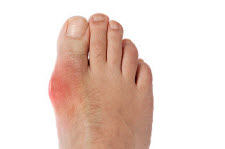
Bunions, also known as hallux valgus, involve changes in the alignment of the big toe and first metatarsal. This can affect forefoot fit and pressure distribution inside footwear.
For orthotic manufacturers, product development requires attention to forefoot space, arch support, heel stability, material thickness, and shoe compatibility. Simply adding a soft cushioning layer is not enough.
Custom orthotics for bunions are designed to provide support and cushioning within the footwear environment. However, they cannot reverse bone alignment changes or remove a bunion.
For wholesalers and private-label brands, these factors provide a starting point for developing products with clearly defined specifications.
2. Key Design Features
A suitable orthotic construction should balance support, cushioning, and available shoe space. Three areas deserve particular attention.
Forefoot Pressure Management
The forefoot needs careful consideration because a thick or rigid structure may create unwanted contact inside shoes with limited space.
Manufacturers should consider:
- A smooth forefoot surface.
- Appropriate cushioning beneath the metatarsal area.
- Controlled thickness to preserve shoe volume.
- Flexible top-cover materials to reduce surface friction.
The aim is to develop a comfortable insole profile without adding unnecessary bulk.
Arch Support and Foot Alignment
A contoured arch profile can provide support to the medial longitudinal arch. However, arch height and contour should match the intended product specification.
During custom development, manufacturers can adjust arch height, shell length, medial and lateral support, and the transition between the arch and forefoot.
An unsuitable arch profile may create unwanted contact, so sample evaluation remains important.
Heel Cup and Rearfoot Stability
A deep heel cup helps position the heel within the insole structure. Its depth, width, and profile should suit the target footwear.
Depending on the required construction, manufacturers can use a rigid or semi-rigid shell with cushioning layers, or a more flexible foam-based design.
3. Material Selection for Custom Orthotics for Bunions
Material selection affects flexibility, cushioning, durability, and overall thickness. Manufacturers should evaluate each material as part of the complete construction.
| Material | Main Characteristics | Potential Application |
|---|---|---|
| EVA | Lightweight, available in different densities and hardness levels | Base layers and cushioning |
| PU Foam | Flexible cushioning with different firmness options | Heel and forefoot cushioning |
| Memory Foam | Soft surface feel and pressure-responsive compression | Comfort layers |
| PORON | Resilient cushioning | Selected heel and forefoot areas |
| TPU | Flexible thermoplastic with structural options | Support components |
| PP | Rigid thermoplastic | Orthotic shells |
| Microfiber and Mesh | Different surface textures and breathability characteristics | Top covers |
Balancing Cushioning and Support
Soft materials do not automatically provide sufficient structural support. Similarly, a rigid shell may not suit every footwear application.
A multi-layer construction can combine a PP or TPU shell with an EVA base and selected cushioning materials. This separates the structural function from the cushioning function.
Material density, hardness, and thickness should be assessed together. Changes to one layer can affect the flexibility and internal volume of the finished product.
4. Choosing the Right Insole Construction
The construction should match the intended footwear and required support level.
Full-Length Orthotics
Full-length designs cover the heel, arch, and forefoot. They allow manufacturers to combine different materials and structural components.
However, total thickness needs careful control. Excessive bulk can reduce available shoe space, particularly around the forefoot.
Three-Quarter-Length Orthotics
Three-quarter-length designs provide heel and arch coverage while leaving more room in the forefoot. They may suit footwear where a full-length insert would take up too much space.
Manufacturers can adjust shell length, cushioning, and top-cover materials to meet different specifications.
Flexible and Semi-Rigid Designs
Flexible constructions generally use foam-based materials and softer components. Semi-rigid designs combine a shaped support component with cushioning layers.
Neither construction is universally better. The choice depends on the intended application, footwear dimensions, and required support profile.
5. Footwear Compatibility and Forefoot Space
Footwear compatibility is a key consideration when developing bunion-related orthotics. Even a well-designed support structure may not fit properly if it takes up too much internal shoe space.
Manufacturers should check:
- Toe box volume: Avoid reducing available forefoot space unnecessarily.
- Shoe depth: Match total insole thickness to the internal dimensions.
- Forefoot flexibility: Ensure the front section suits the footwear’s bending characteristics.
- Heel fit: Check that the heel cup sits securely.
- Top-cover friction: Select a surface material compatible with the shoe lining.
Casual shoes, work shoes, and athletic footwear may require different insole profiles. Defining the target shoe category early helps avoid unnecessary design changes.

6. OEM and Private-Label Customization
For wholesale buyers, customization should cover both product construction and brand requirements.
| Customization Area | Available Options |
|---|---|
| Materials | EVA, PU foam, memory foam, PORON, PP and TPU |
| Density and hardness | Different grades based on construction requirements |
| Thickness | Customized heel, arch and forefoot dimensions |
| Structure | Full-length, three-quarter-length, flexible and semi-rigid |
| Top cover | Microfiber, mesh and other textiles |
| Appearance | Colors, surface textures and logo placement |
| Packaging | Private-label packaging and customized presentation |
| Sizes | Defined size ranges and product dimensions |
OEM and ODM projects should begin with a clear technical brief covering footwear type, support profile, materials, size range, and target price.
Manufacturers can then prepare samples for dimensional and construction checks before bulk production.
7. Manufacturing and Quality Control
Consistent production is essential for wholesale orders. Variations in thickness, contour, or material hardness can affect the finished product.
Design and Technical Review
Review product drawings, dimensions, material specifications, and structural requirements. CAD-based design can help define shell geometry before production.
Material Processing
Depending on the construction, production may involve molding, CNC milling, cutting, shaping, lamination, or 3D printing. PP shells and EVA cushioning layers require different processing methods.
Assembly and Finishing
Layers are assembled according to the approved specifications. Bonding, edge trimming, surface finishing, and logo application should follow consistent procedures.
Finished Product Inspection
Quality checks should cover:
- Length, width, and thickness.
- Arch and heel cup dimensions.
- Material hardness and consistency.
- Surface finish and edge quality.
- Bonding between layers.
- Size and appearance consistency.
- Packaging and labeling accuracy.
Where specific performance claims are required, buyers and manufacturers should agree on suitable test methods and supporting documentation.
8. Common Development Issues
Several issues can affect product fit and production consistency.
| Common Issue | Possible Cause | Development Consideration |
|---|---|---|
| Excessive forefoot bulk | Thick cushioning or unsuitable dimensions | Review forefoot thickness and shoe volume |
| Uncomfortable arch contact | Incorrect arch height or contour | Reassess the arch profile |
| Poor shoe fit | Incompatible dimensions or heel cup | Confirm footwear measurements during sampling |
| Uneven cushioning | Inconsistent density or thickness | Strengthen material inspection |
| Layer separation | Inadequate bonding | Review bonding parameters and material compatibility |
| Inconsistent bulk production | Unclear specifications | Use approved samples and documented tolerances |
Addressing these points during sample development helps reduce production problems.
9. What Wholesale Buyers Should Confirm
Before placing an order, buyers should clarify the following:
- Can the manufacturer adjust arch profiles, heel cups, and forefoot construction?
- Are different EVA, PU, PP, and TPU options available?
- Can samples be developed from drawings or reference products?
- Are dimensional tolerances and inspection standards defined?
- Can the supplier customize sizes, colors, logos, and packaging?
- Are MOQ, sample lead time, and bulk production lead time clearly stated?
Buyers should also request relevant material specifications and test reports when required for their target markets.
Product descriptions must reflect verified features. Cushioning and support should not be presented as proof that an insole can correct bunion deformity.
10. Custom Orthotic Manufacturing Support from Ideastep
Ideastep develops orthotic insoles and related footcare products for wholesale, OEM, and ODM customers. With manufacturing experience dating back to 1989, the company supports material selection, structural development, and customized production.
For bunion-related orthotic projects, available development options include:
- EVA, PU foam, memory foam, PORON, PP, and TPU combinations.
- Customized arch profiles and heel cup structures.
- Different forefoot cushioning configurations.
- Full-length and three-quarter-length designs.
- Customized sizes, colors, top covers, and branding.
- Private-label packaging and bulk production.
Buyers can provide drawings, reference samples, or technical specifications for an initial review. The project can then proceed through sample confirmation, specification approval, and production planning.
11. Frequently Asked Questions
Can custom orthotics correct bunions?
No. Orthotics cannot reverse the structural changes associated with bunions or remove the bony prominence. They can be designed with specific support and cushioning features, but claims should remain within the scope of verified performance.
Which materials are suitable for bunion orthotics?
EVA, PU foam, memory foam, and PORON are common cushioning options. PP and TPU can be used for structural components. The final selection depends on flexibility, thickness, support requirements, and footwear compatibility.
Are full-length or three-quarter-length orthotics better?
Neither is universally better. Full-length designs cover the entire foot, while three-quarter-length designs leave more room in the forefoot. The choice depends on shoe dimensions and product requirements.
Can manufacturers customize orthotics for different shoe types?
Yes. Manufacturers can adjust dimensions, thickness, shell profiles, material combinations, and top covers to suit different footwear categories. Sample testing helps confirm compatibility.
What information is needed for an OEM quotation?
Buyers should provide the target size range, dimensions, material preferences, construction details, order quantity, logo requirements, and packaging specifications. Drawings or reference samples can also clarify the project.
Conclusion
Developing custom orthotics for bunions requires attention to forefoot space, arch contour, heel structure, material combinations, and footwear compatibility. No single construction suits every application.
For wholesalers and private-label brands, clear technical specifications and reliable sample evaluation are essential before bulk production. A manufacturer with material customization, structural development, and quality control capabilities can help turn product requirements into a consistent finished design.
Contact Ideastep to discuss custom orthotic development, OEM/ODM options, and wholesale manufacturing requirements.