Bulk diabetic insole production requires clear specifications for materials, construction, dimensions, and quality control. For footcare brands, wholesalers, and medical supply distributors, these details affect product consistency, manufacturing costs, and market requirements.
OEM and private-label projects involve more than applying a logo to an existing product. Buyers need to define material properties, cushioning structures, size ranges, packaging, and inspection standards before production. This guide outlines the key requirements for developing and sourcing diabetic insoles in bulk.
1. Define Product Requirements and Intended Use
Before requesting samples or quotations, buyers should establish the target market, product positioning, and technical requirements. These factors determine the appropriate construction and applicable documentation.
Diabetic insoles may feature cushioning materials, specific surface fabrics, and different structural configurations. However, buyers should distinguish general cushioning products from designs intended for specific plantar pressure management applications. Material selection alone does not establish clinical pressure-relief performance.
A product brief should include:
- Target market and intended use
- Material and construction requirements
- Size range and dimensional specifications
- Estimated order quantity
- Branding and packaging details
- Testing and documentation requirements
2. Select Materials According to Technical Requirements
Material selection affects cushioning characteristics, flexibility, durability, processing, and cost. Buyers should evaluate each component within the complete insole construction.
| Material | Key Characteristics | Typical Application |
|---|---|---|
| EVA | Lightweight, available in different densities and hardness levels | Base layers and cushioning structures |
| PU Foam | Flexible cushioning material | Cushioning layers |
| Memory Foam | Compressible and responsive to applied pressure | Cushioning layers |
| PORON | Resilient cushioning material | Selected cushioning areas |
| Microfiber and Mesh | Different surface textures and finishing options | Insole top covers |
Density, Hardness and Compression
Density and hardness influence the mechanical properties of foam materials. Buyers should specify the required grade, measurement method, and acceptable tolerance rather than relying on descriptions such as soft or firm.
Compression and recovery characteristics also matter when selecting materials for repeated use. Where durability is a key requirement, request relevant test data and define acceptance criteria.
Top Cover Requirements
The top cover affects surface texture, appearance, and bonding requirements. Microfiber and selected textile materials are common options. Buyers should confirm thickness, color, surface finish, cleaning requirements, and compatibility with the underlying layers.
Any antimicrobial, moisture-management, or skin-contact claims should be supported by appropriate testing.
3. Confirm Construction and Thickness
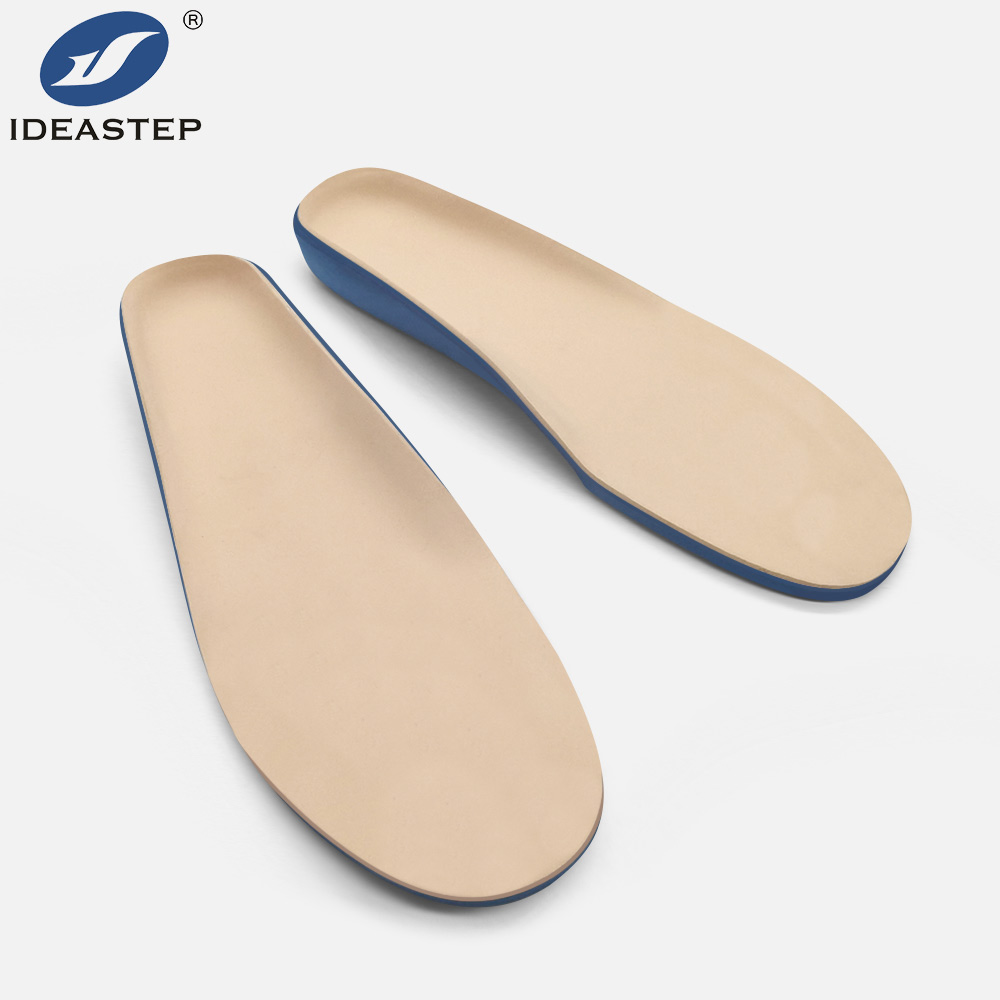
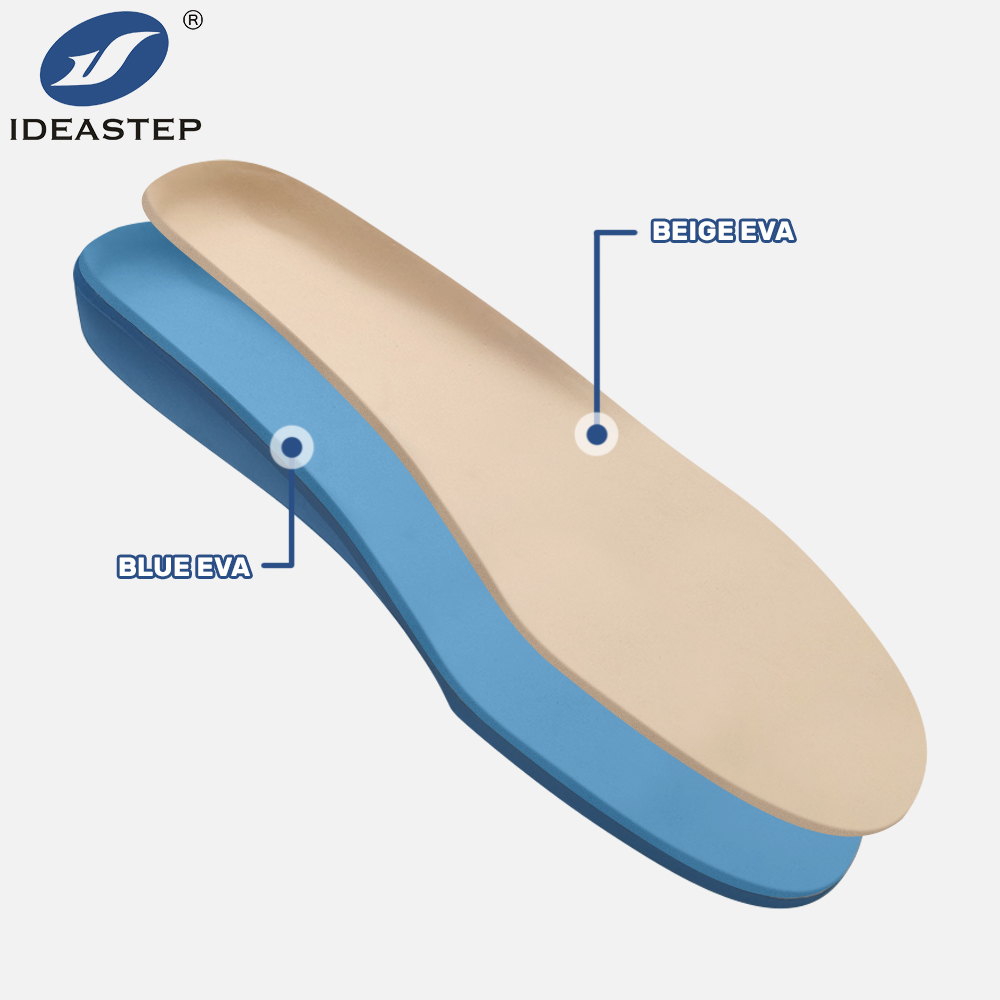
A typical diabetic insole may combine a cushioning base, additional foam layers, and a textile top cover. Some designs also use multiple material densities in selected areas.
Single-Density and Multi-Density Structures
Single-density constructions use one primary material grade. Multi-density designs combine materials with different hardness or compression characteristics. The choice depends on the intended construction and should be confirmed through sample evaluation.
Total Thickness and Component Dimensions
Buyers should specify both individual layer thicknesses and the finished insole thickness. Total thickness affects footwear space, while material compression and assembly can influence final dimensions.
Heel and forefoot sections may also require different thicknesses or material configurations. These details should appear in the technical drawing or approved sample specification.
For products designed around specific plantar pressure management requirements, performance should be evaluated using appropriate measurement methods. A thicker foam layer does not independently prove pressure-relief performance.
4. Specify Size Range and Dimensional Tolerances
Consistent sizing is essential for bulk production and inventory management. Buyers should confirm the size system, such as EU, US, or UK, and specify whether products will be supplied in individual sizes or cut-to-fit formats.
Important measurements include:
- Overall length and width
- Heel and forefoot width
- Total and sectional thickness
- Top cover alignment and edge finishing
Define acceptable tolerances before production and use consistent reference points during inspection. For graded products, manufacturers should also confirm the dimensional changes between sizes.
5. Establish Quality Control Standards
Quality inspection should cover incoming materials, production processes, and finished products.
Material and Production Inspection
- Incoming materials: Check material type, thickness, density, hardness, color, and relevant documentation.
- In-process production: Monitor cutting accuracy, layer alignment, bonding, shaping, and finishing.
- Finished products: Inspect dimensions, material consistency, bonding, surface defects, logo placement, and packaging.
The approved sample and technical specification should serve as the reference for bulk and repeat orders. Any changes to materials or construction should be documented and approved before implementation.
6. Review Testing and Regulatory Documentation
Documentation requirements depend on the product’s intended use, claims, classification, and destination market. Buyers may need to review:
- Material specifications and technical data sheets
- Relevant chemical or material safety test reports
- Physical performance test records
- Quality management system certificates
- Product-specific conformity documents, where required
Verify that each document applies to the actual material or finished product. Factory-level certification does not automatically establish compliance for every product.
Claims involving ulcer prevention, plantar pressure reduction, or other clinical outcomes require appropriate evidence and regulatory review. General cushioning properties should not be presented as proof of clinical performance.
7. OEM and Private-Label Customization
Private-label programs allow buyers to customize product construction and brand presentation. Available options depend on the model, manufacturing process, and order quantity.
Product Customization
- Material type, density, and hardness
- Layer thickness and construction
- Size range and product dimensions
- Top cover material and color
- Heel and forefoot configuration
- Logo and surface printing
Packaging and Labeling
Packaging options may include printed boxes, product cards, labels, and customized retail packaging. Buyers should confirm artwork, dimensions, barcode requirements, language, and product information before production.
For international distribution, labeling and product claims should be reviewed against the applicable market requirements.
8. MOQ, Lead Time and Bulk Purchasing
Commercial terms should be confirmed alongside technical specifications.
Minimum Order Quantity
MOQ may vary by model, material, size range, color, and packaging. Custom materials and printed packaging may require separate minimum quantities. Buyers should request a clear breakdown for each product configuration.
Sample and Production Lead Time
Sample development and bulk production should be quoted separately. Custom material sourcing, tooling, and packaging preparation may extend the schedule. Confirm the production lead time after sample and specification approval.
Quotation Details
Compare quotations based on the specified materials, customization, packaging, inspection, and agreed services, not unit price alone. Changes to material grade, thickness, or order quantity may affect the final cost.
9. Common Sourcing Mistakes
- Vague material specifications: Terms such as soft EVA or high-density foam lack measurable requirements.
- Incomplete thickness details: Total thickness alone may overlook differences between individual layers.
- Missing size tolerances: Undefined measurement standards can cause batch variations.
- Unverified performance claims: Cushioning materials do not automatically provide clinically proven pressure relief.
- No sample approval: Bulk orders should follow a confirmed sample and documented specifications.
- Incomplete packaging instructions: Unapproved artwork or labeling can delay production.
A complete technical brief, approved sample, and defined inspection criteria provide a reliable basis for repeat orders.
10. Bulk Diabetic Insole OEM and Private-Label Manufacturing with Ideastep
Ideastep provides orthotic insole manufacturing and OEM/ODM services for footcare brands, wholesalers, distributors, and professional product suppliers. The company has manufacturing experience dating back to 1989.
For diabetic insole projects, buyers can discuss material combinations, cushioning structures, product dimensions, top covers, branding, and packaging based on their specifications.
Available customization options include:
- Material selection: EVA, PU foam, memory foam, PORON, and textile top covers.
- Construction: Layer combinations, material density, and thickness.
- Size development: Customized size ranges and dimensional specifications.
- Private-label branding: Logo, color, labels, and packaging.
- Sample development: Product evaluation and specification confirmation.
- Wholesale production: Manufacturing based on approved samples and agreed quality requirements.
Buyers can submit technical drawings, reference samples, or existing product specifications for evaluation. Material options, MOQ, lead time, and customization details can then be discussed.
Frequently Asked Questions
What specifications are needed for bulk diabetic insoles?
Buyers should provide material type, density, hardness, layer thickness, total thickness, size range, dimensional tolerances, top cover requirements, packaging details, and estimated order quantity.
Which materials are commonly used in diabetic insoles?
EVA, PU foam, memory foam, and PORON are common cushioning options. Microfiber and selected textile materials can be used as top covers. The final combination depends on the product design.
Can diabetic insoles be customized for private-label brands?
Yes. Customization may cover materials, layer construction, thickness, dimensions, top covers, colors, logos, and packaging. Options depend on the selected model and order quantity.
How can buyers maintain consistent quality?
Use an approved sample, documented material specifications, defined dimensional tolerances, and agreed inspection criteria. Any changes to materials or production methods should be approved before implementation.
Do diabetic insoles require specific certifications?
Requirements depend on product classification, intended use, claims, and destination market. Buyers should confirm applicable regulations and request relevant product documentation before production.
Prepare Your Diabetic Insole OEM Project
Bulk sourcing requires defined material specifications, controlled construction, consistent dimensions, and documented quality standards. Confirming these requirements before sampling helps reduce revisions and maintain production consistency.
Ideastep supports diabetic insole OEM and private-label projects through material selection, construction customization, sample development, and wholesale manufacturing.
Contact Ideastep to discuss your bulk diabetic insole requirements.
Related Articles:
How Diabetic Insoles Expand Product Portfolios for Foot‑Care Distributors
Diabetic Insoles For Men Critical Product Checks For Wholesale Foot Care Buyers